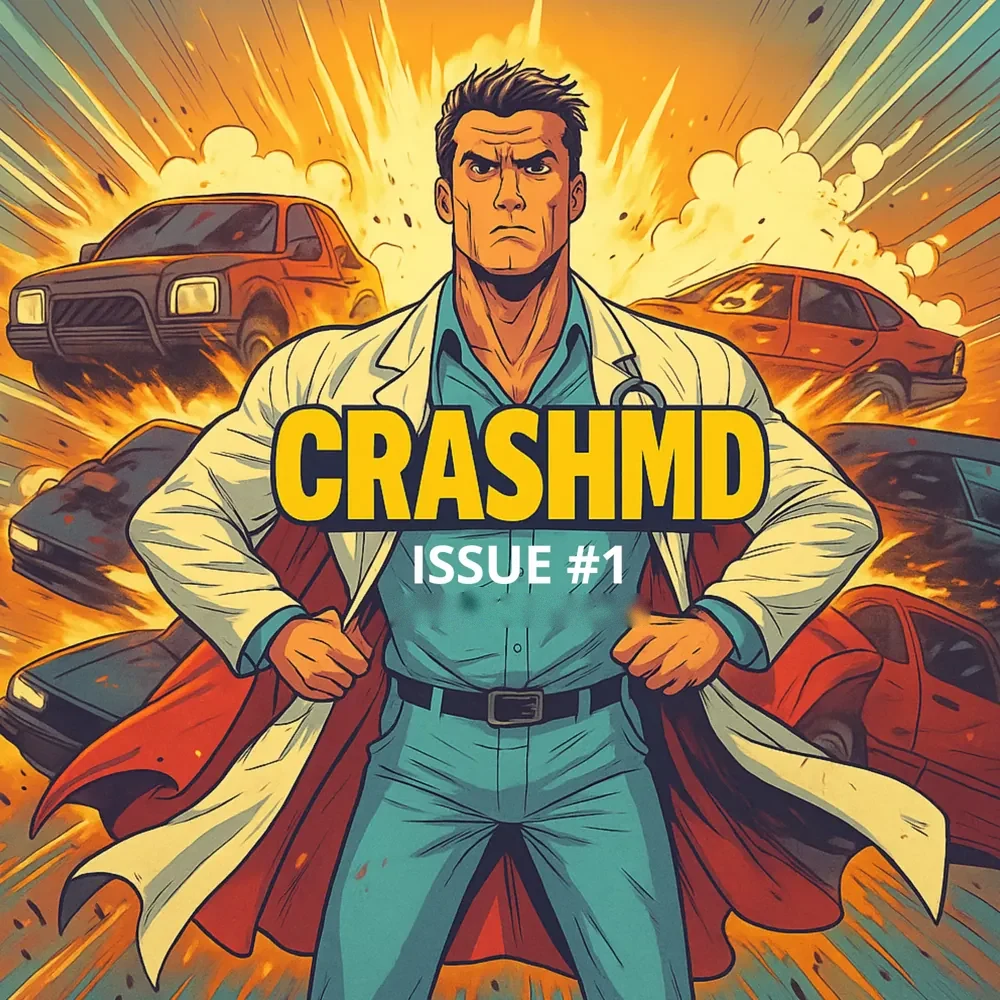
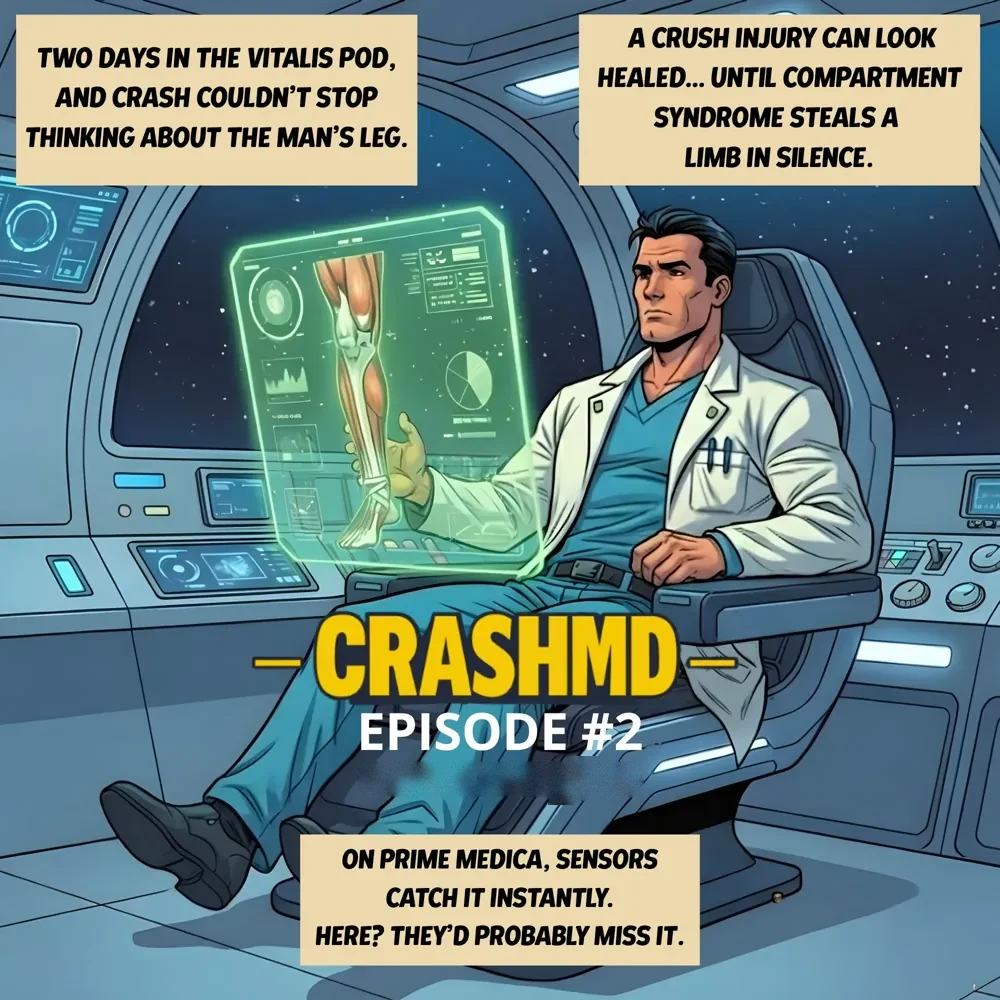
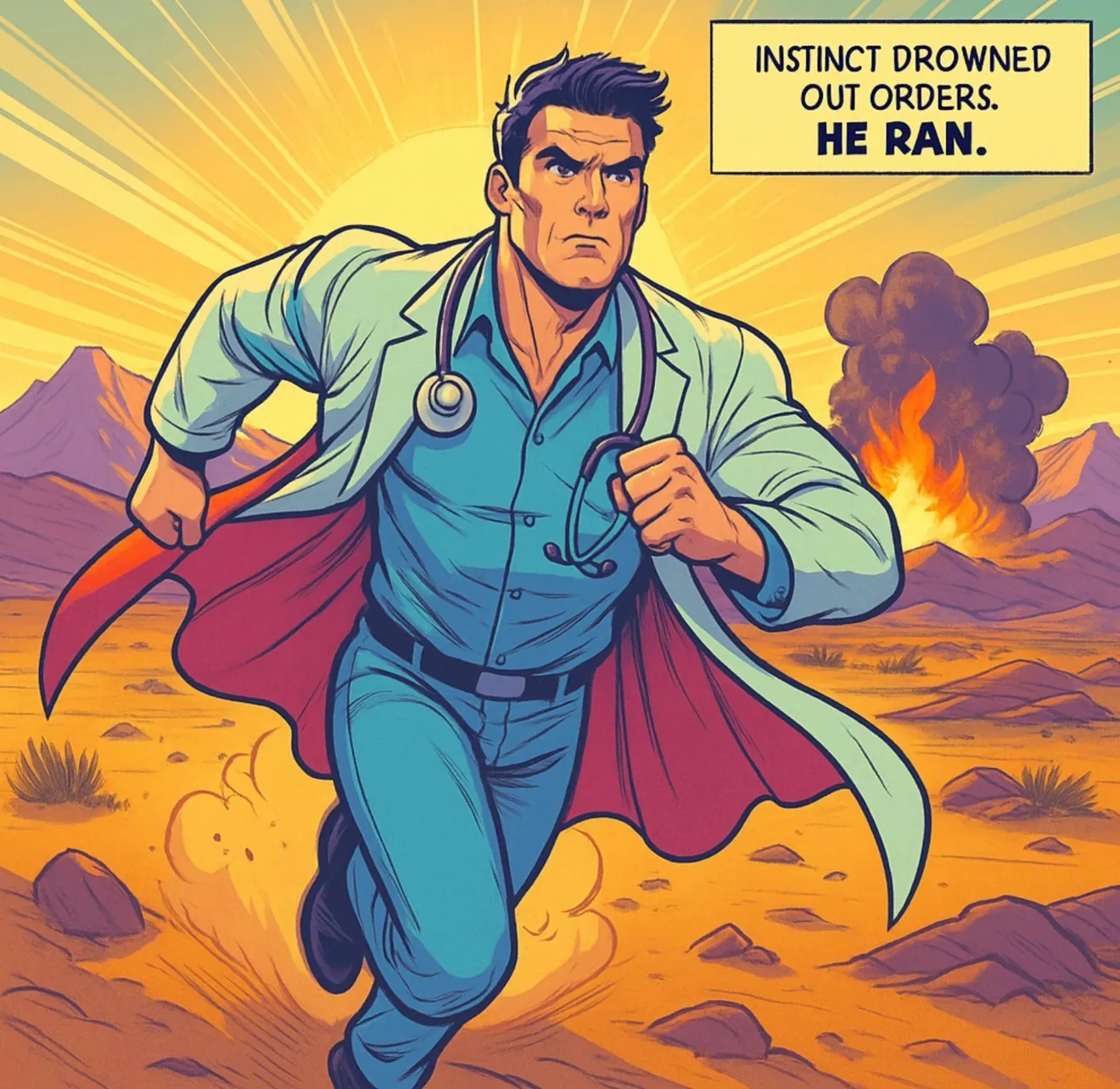
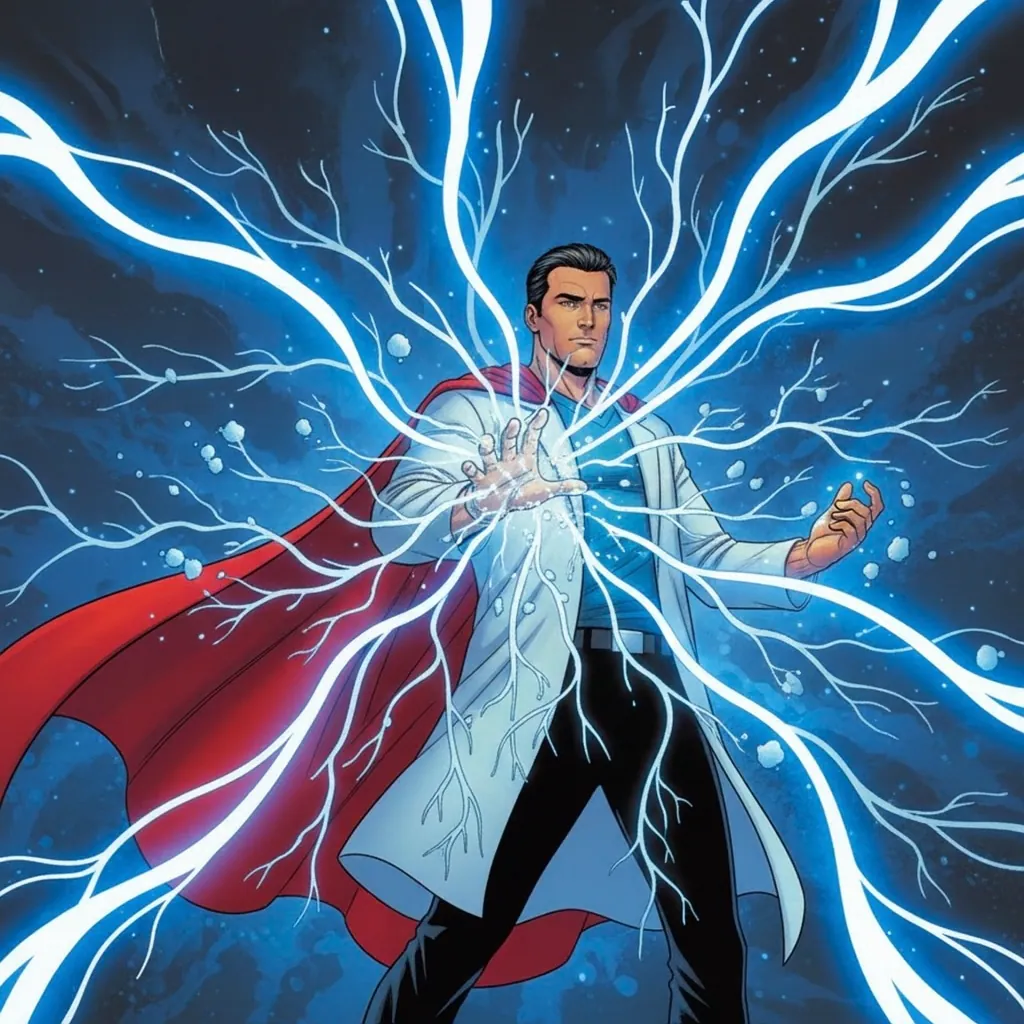
Crashton heals with NeuroForce, Regeneris and Cognis. Your CrashMD doctor uses their real-world versions: nerve treatments, rebuilding care and help for the fear a crash leaves behind.
In real life
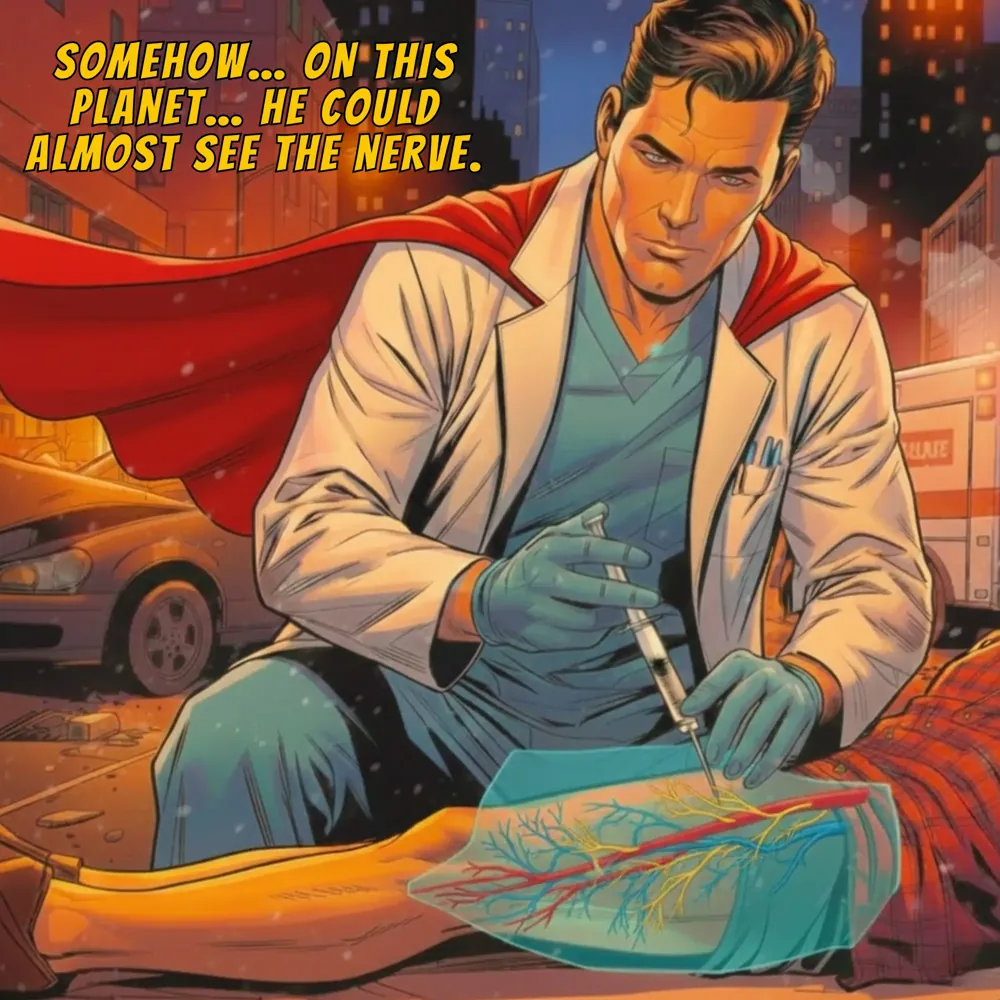
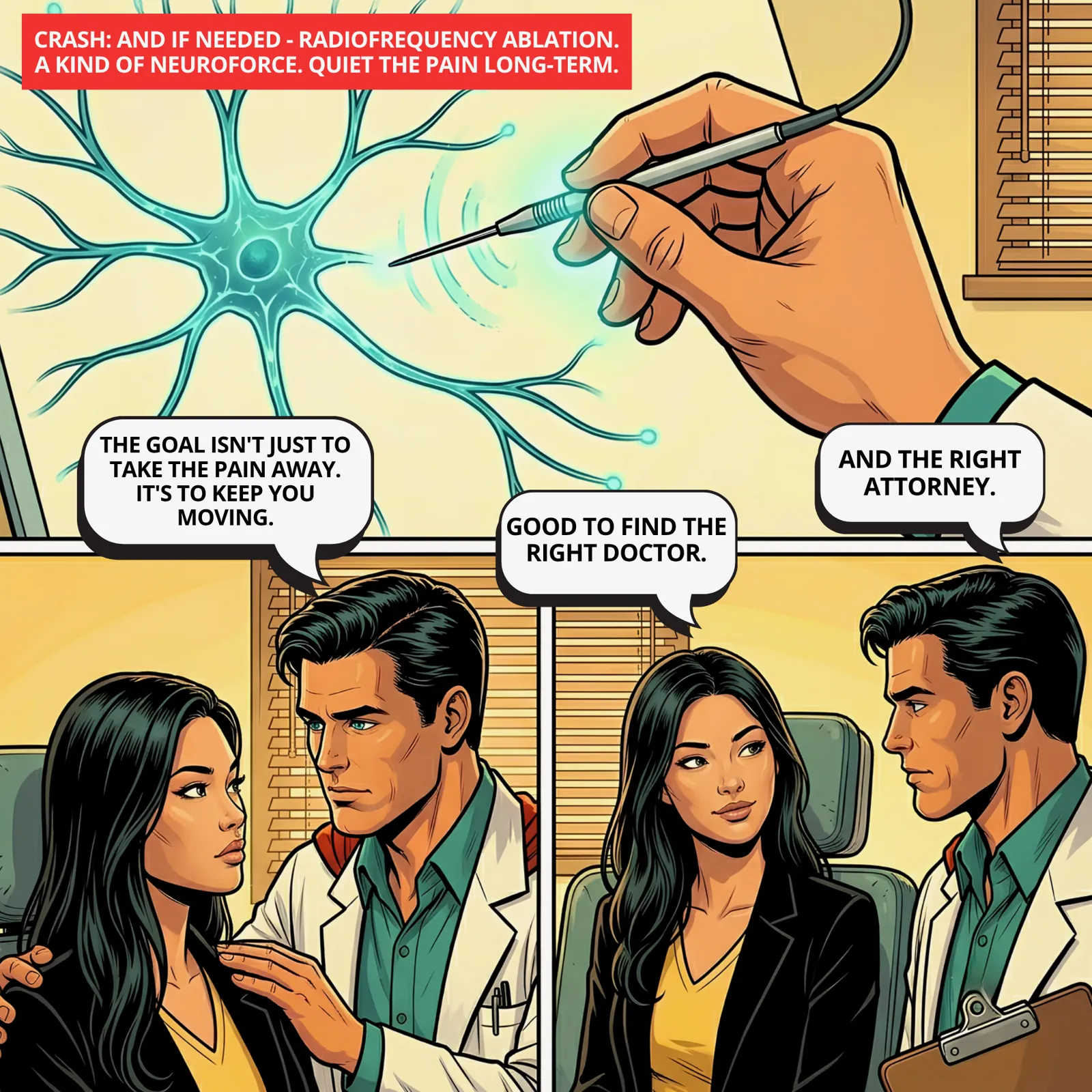
NeuroForce, in real life: nerve blocks, medial branch blocks and radiofrequency ablation.
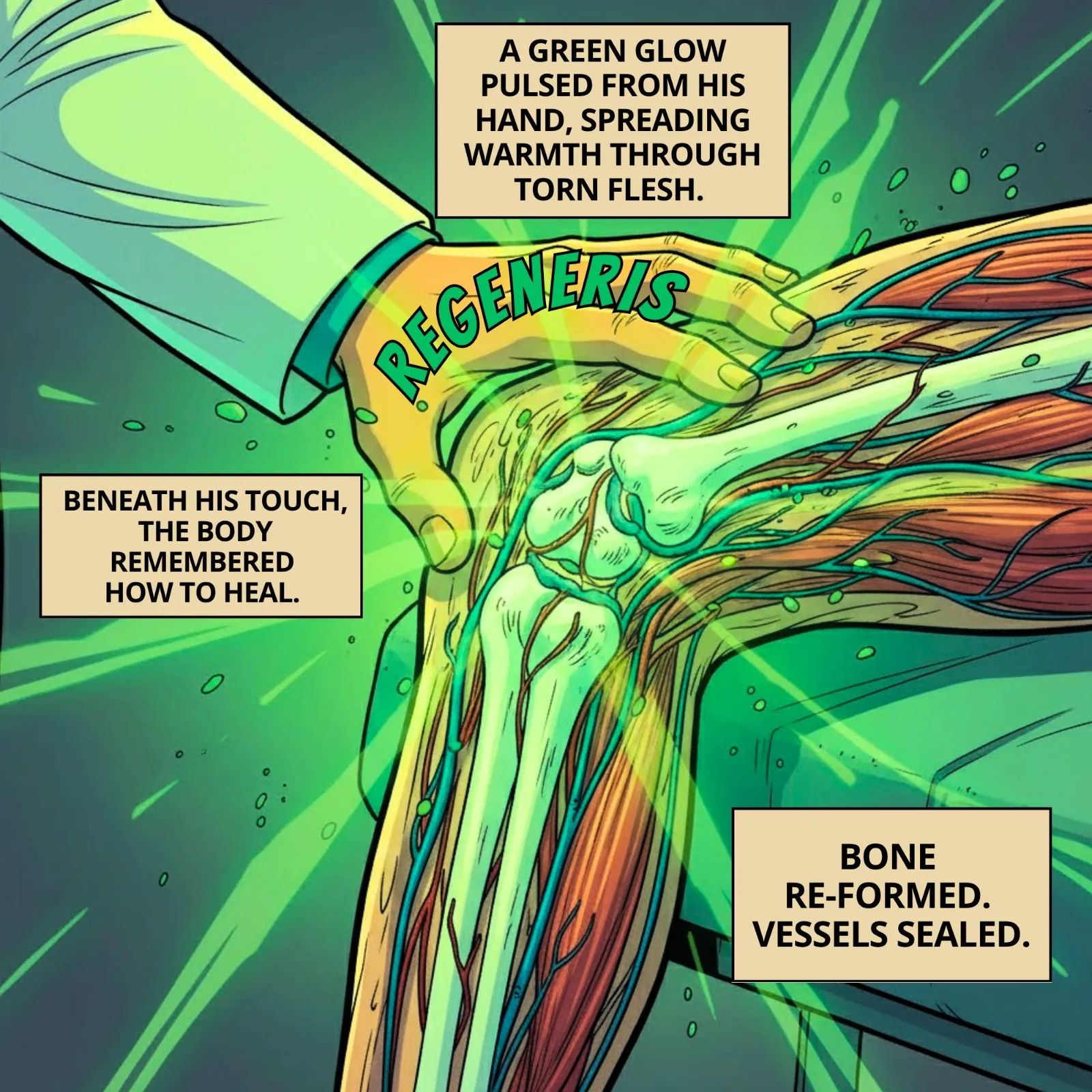
Regeneris, in real life: physical therapy, massage and healing care your CrashMD doctor coordinates.
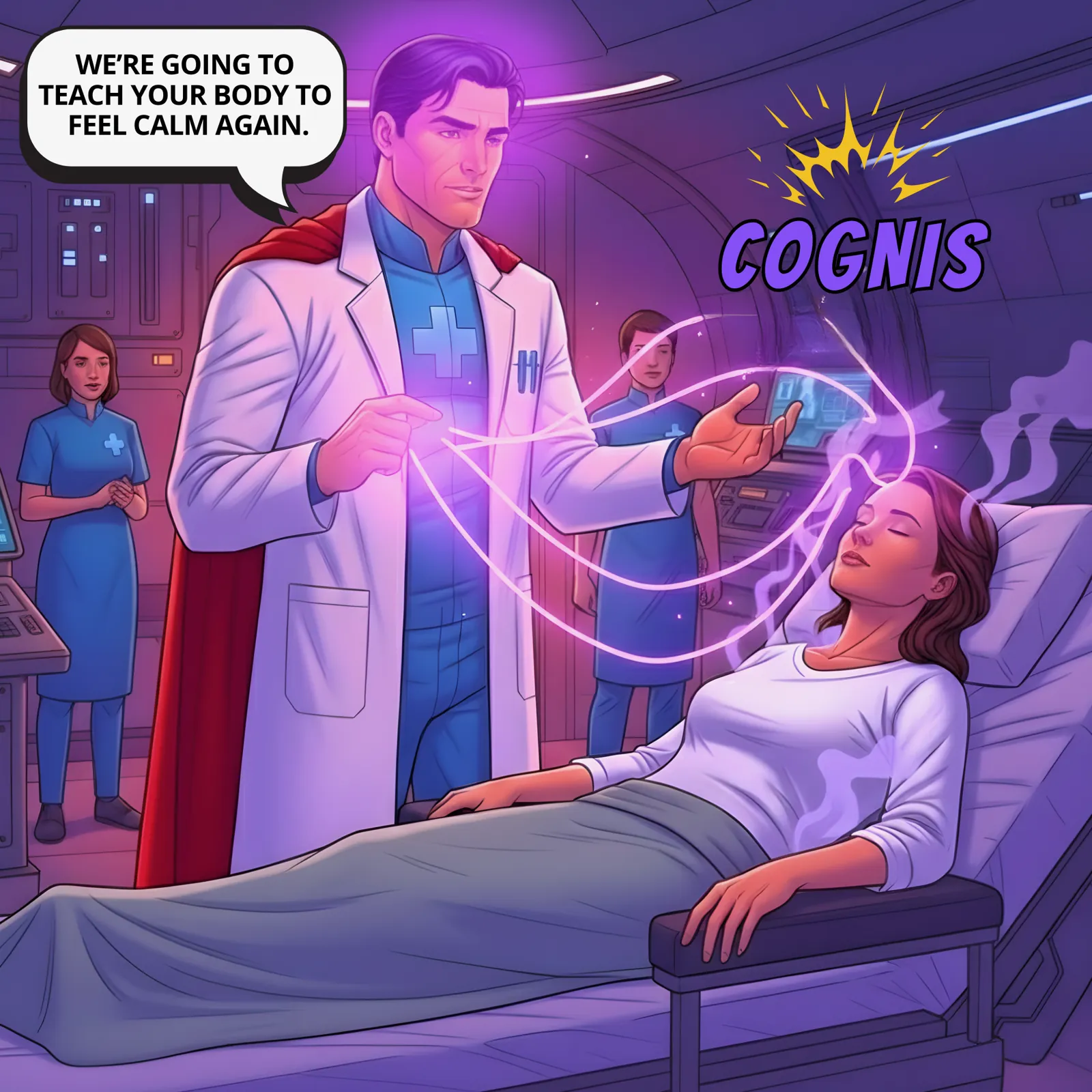
Cognis, in real life: breathing, sleep and support for anxiety after a crash.
"Oh, I'm glad you asked. Tap where it hurts and I'll show you how your CrashMD doctor fights back."
Where does it hurt?
Cognis
Headaches, trouble focusing or feeling on edge after a crash can follow a head or neck injury, even a mild one.
A crash can leave "mental whiplash": fear of driving, poor sleep, anxiety. Your doctor can coordinate breathing work, counseling and sleep care to help you take control back.
Green light that tells injured tissue how to heal.
In real life: Your CrashMD doctor coordinates physical therapy, massage and movement care that increase blood flow and rebuild strength while your body heals.
Purple insight that teaches the body to feel safe again.
In real life: A crash can leave "mental whiplash": fear of driving, poor sleep, anxiety. Your doctor can coordinate breathing work, counseling and sleep care to help you take control back.
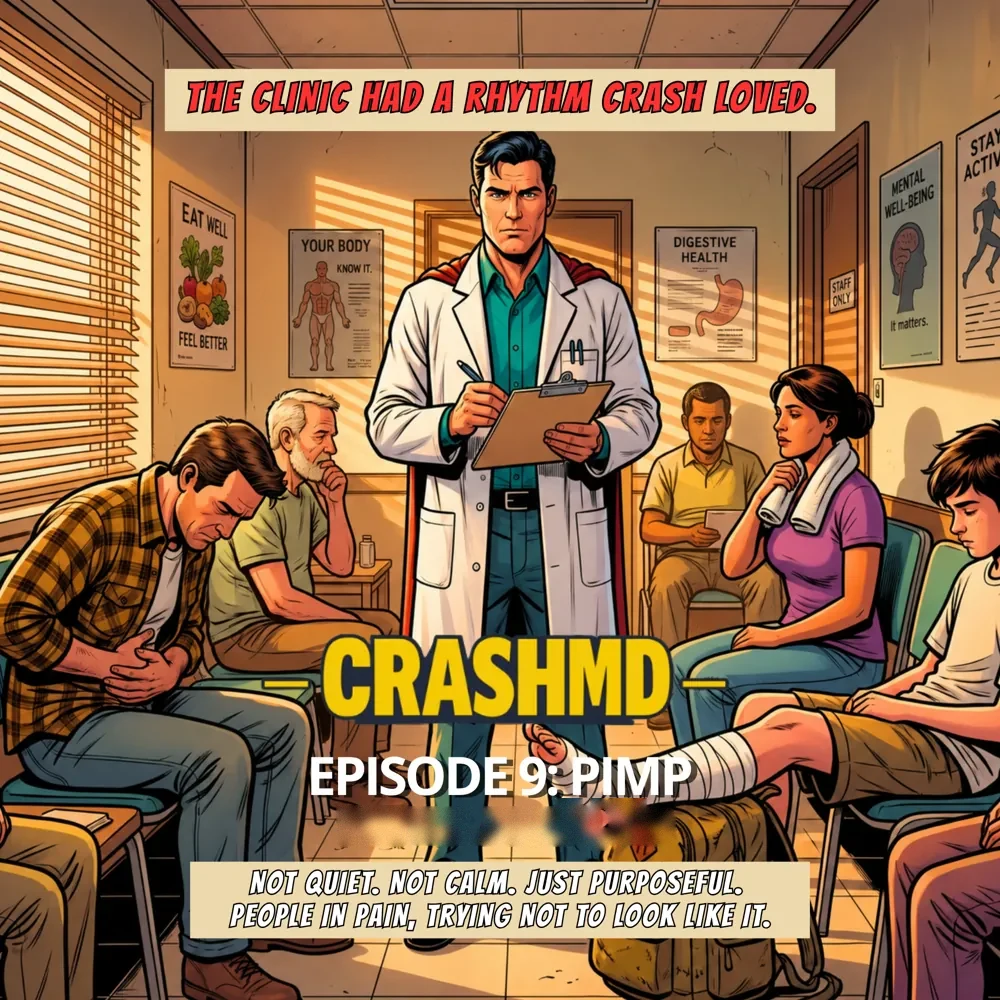
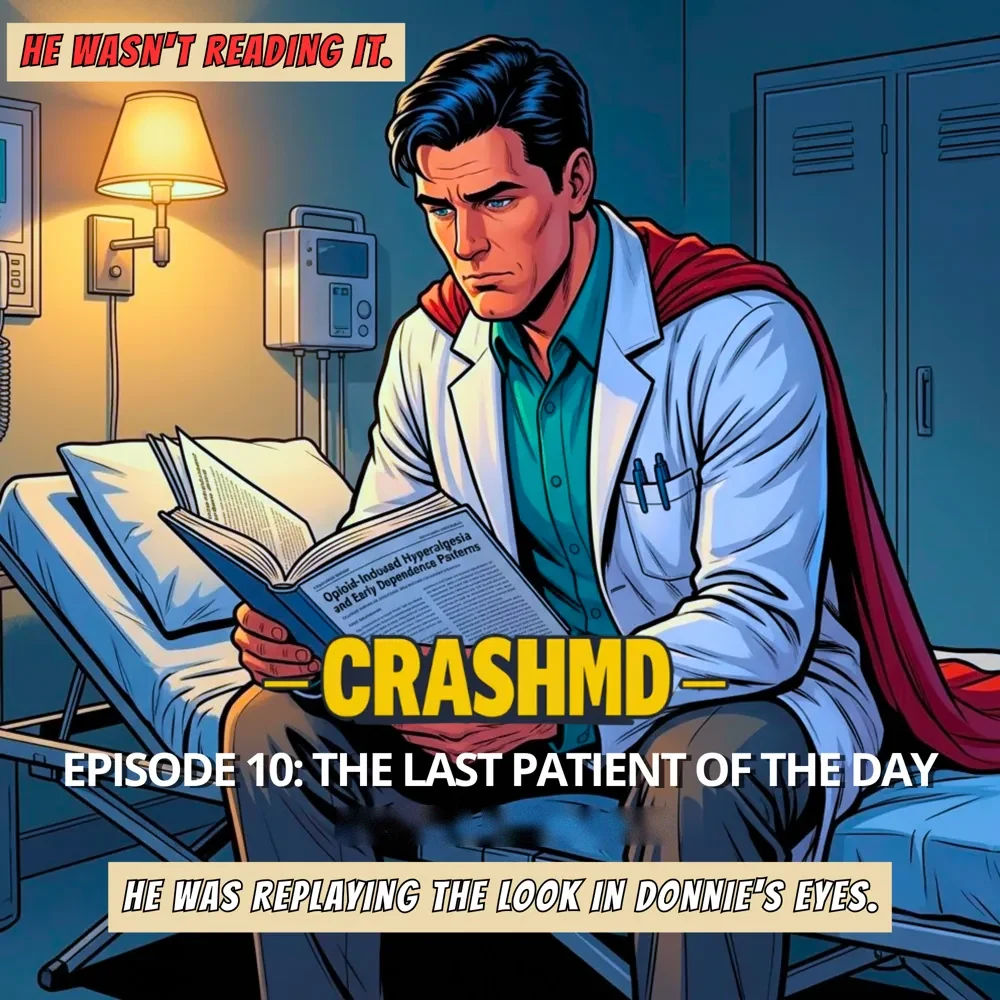
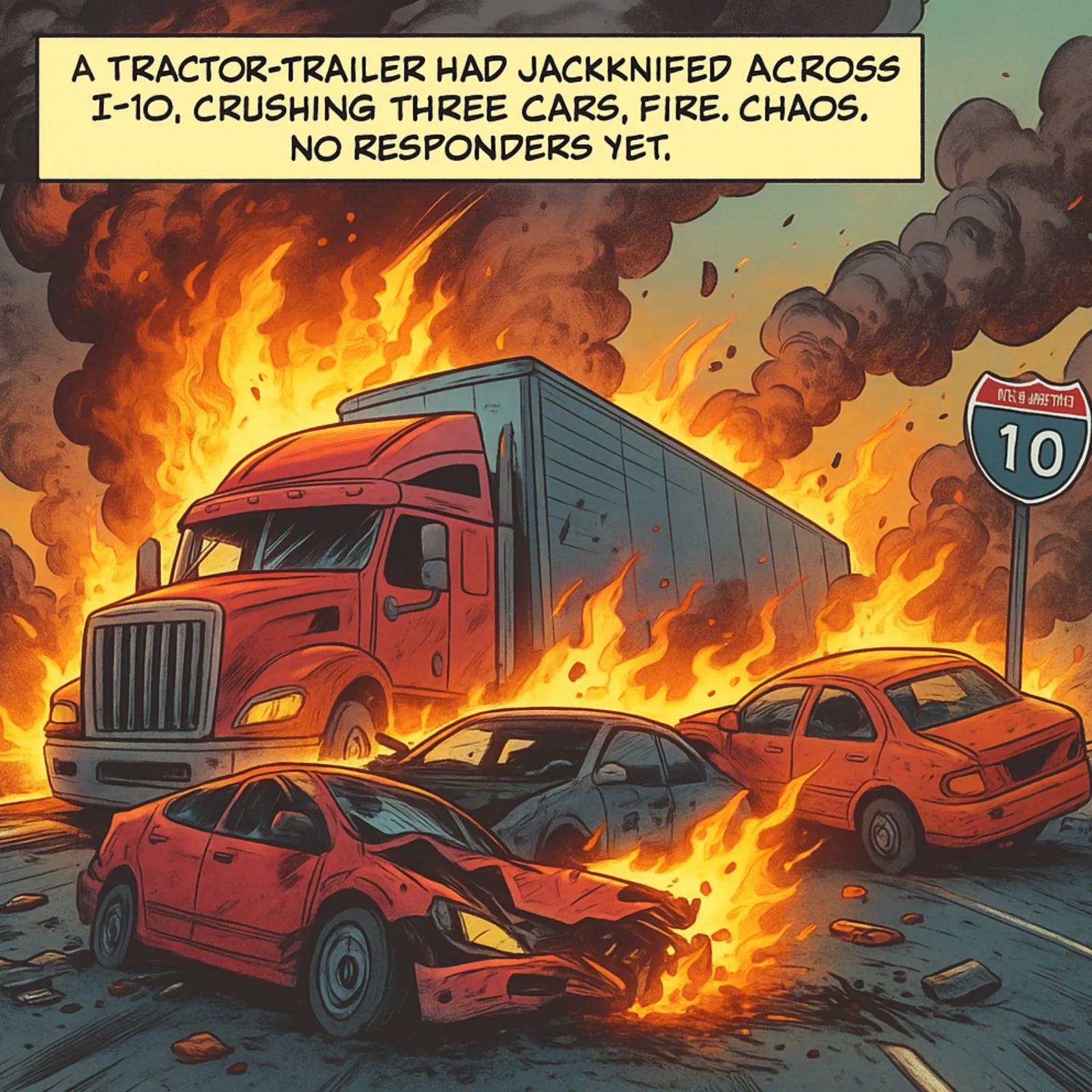
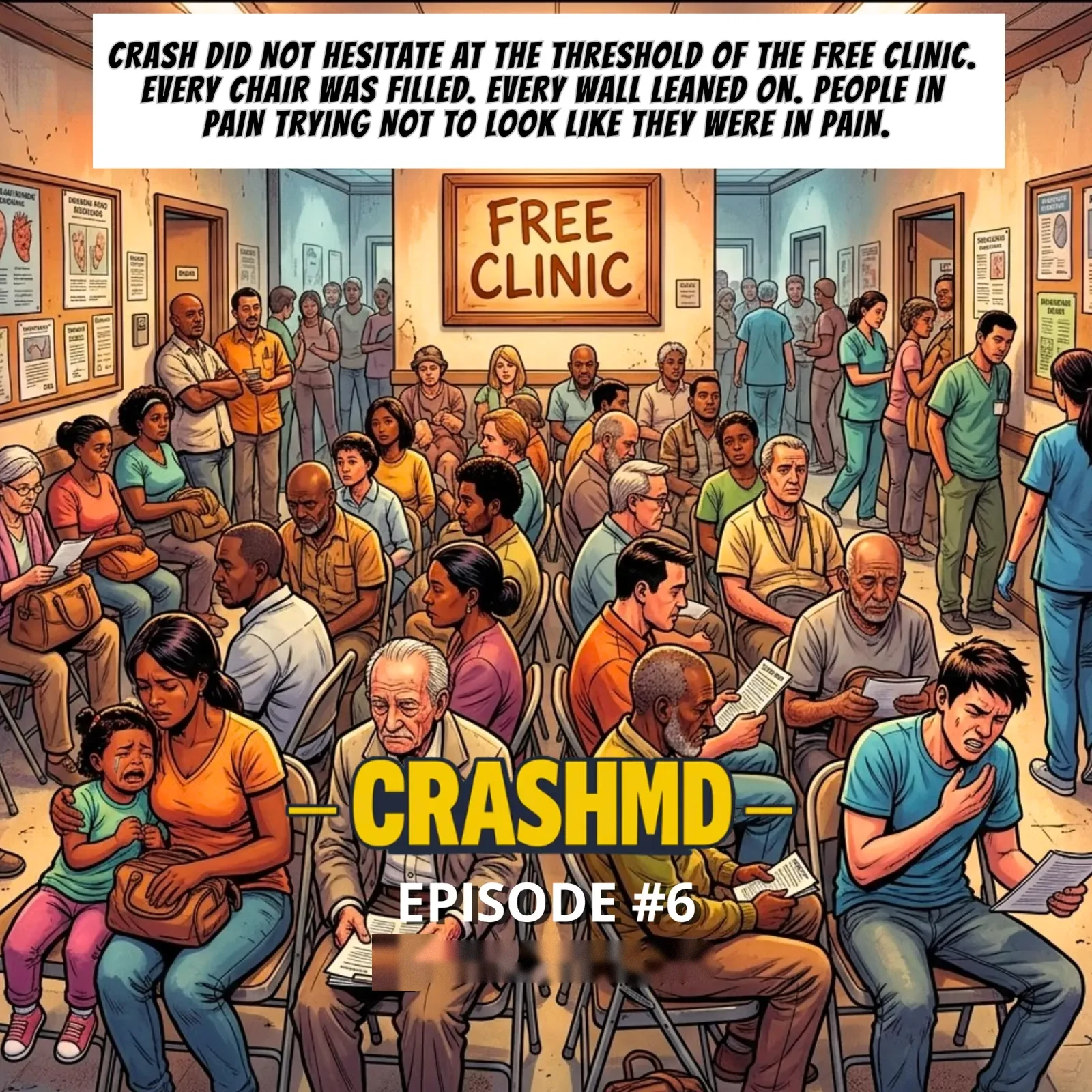
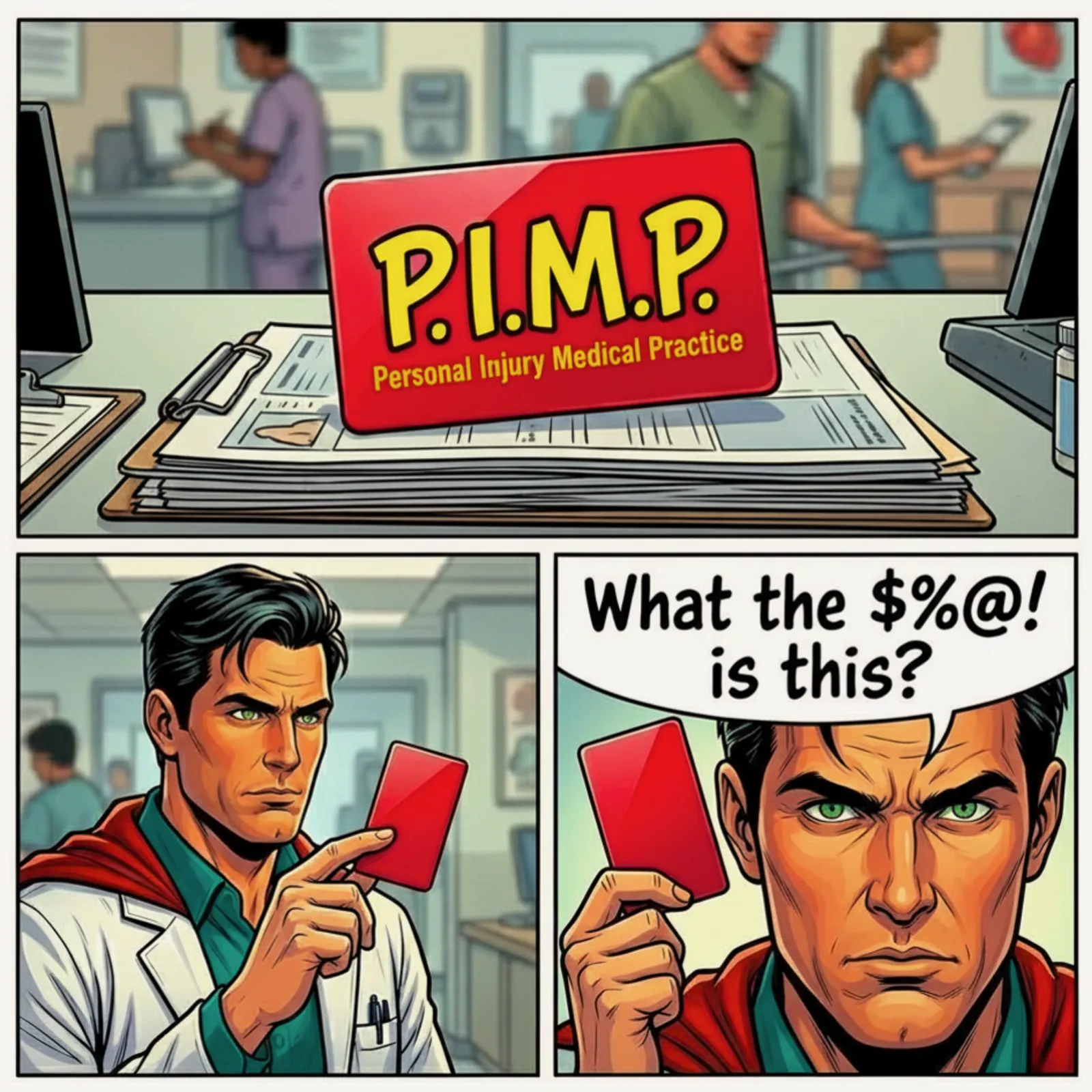
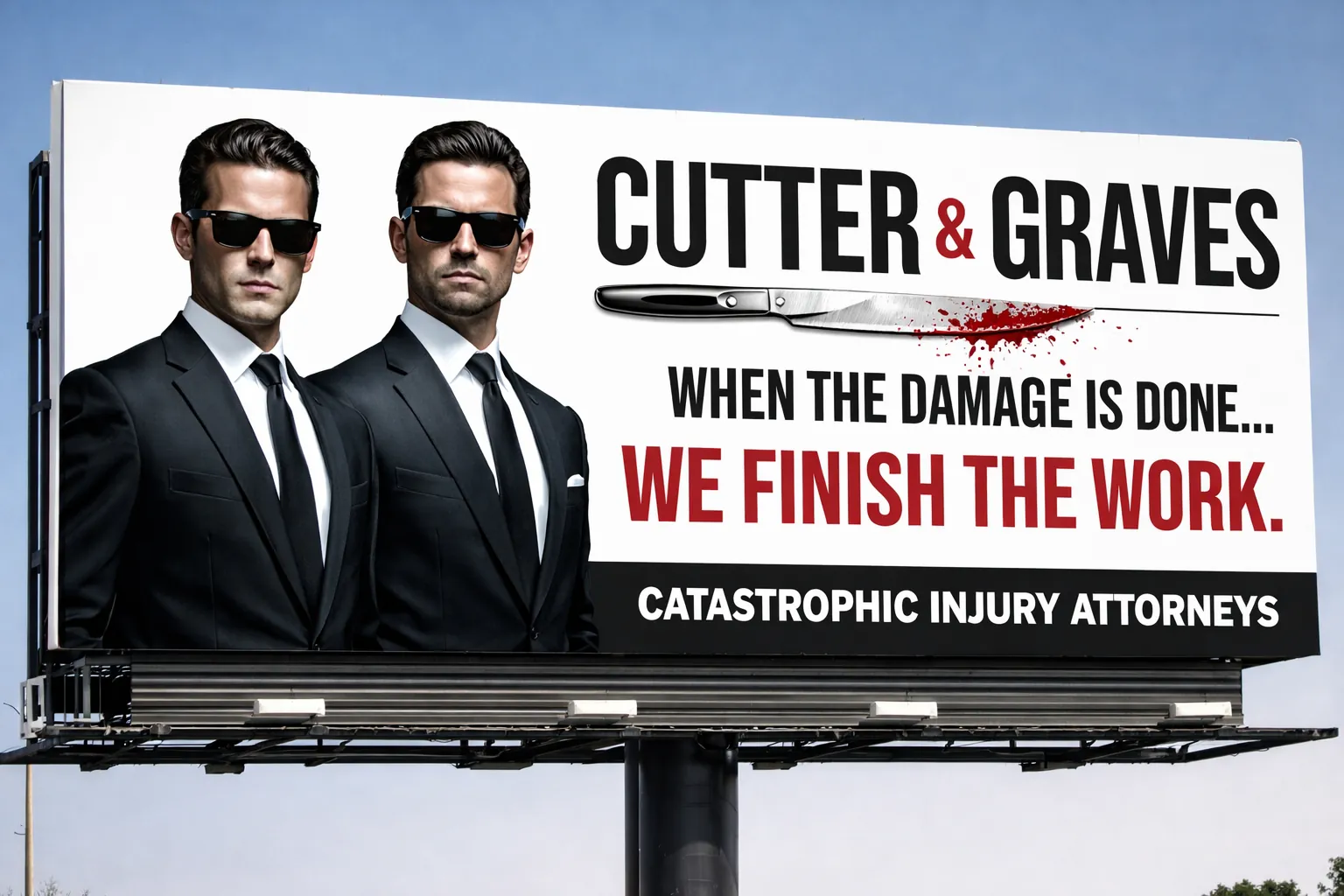
In the comic, P.I.M.P. (the "Personal Injury Medical Practice") piles on pills and procedures to raise a case's value, then drops patients whose policy is too small. Cutter & Graves chase patients at the scene before the ambulances leave.
They start with opioids. CrashMD starts by finding the source of your pain.
They build treatment around case value. CrashMD builds it around your recovery.
They drop you when the policy is small. CrashMD stays until your treatment is done.
Your case value follows your medicine. Never the other way around.
 Act 1 of 6

 Dr. Paul Lynch Arizona
 Dr. Zachary Cohen Southern California
 Dr. Denis G. Patterson Nevada
 Dr. Christian Peccora Texas
 Dr. Zachary Lipman Northern California
 Dr. Adam Savage Oklahoma
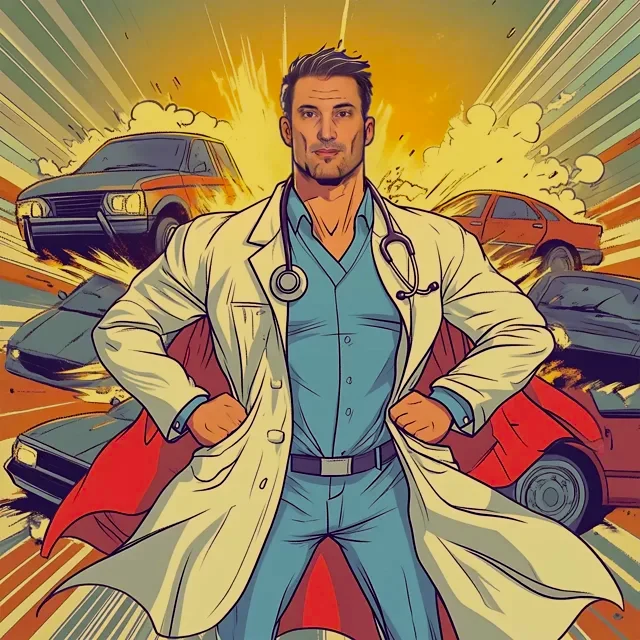 Dr. Joshua Gordon Oklahoma
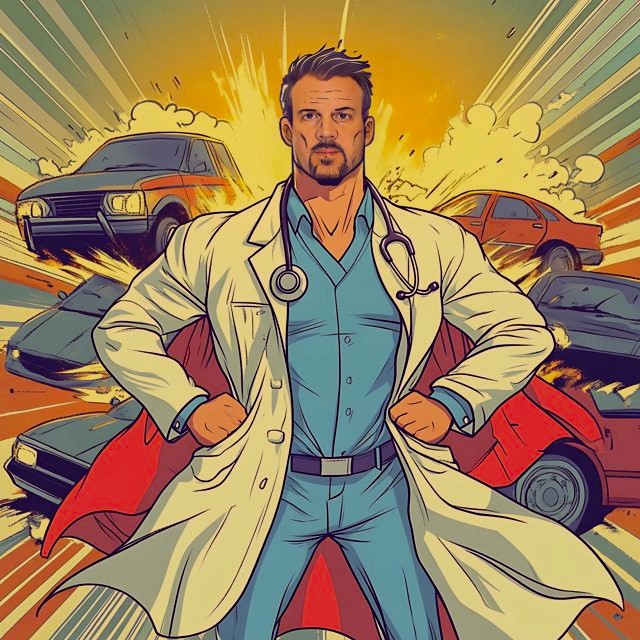 Dr. Steven Siwek Arizona
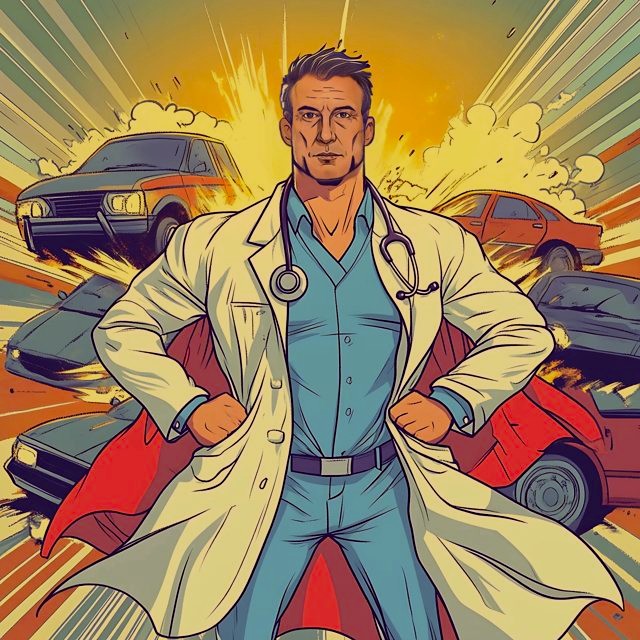 Dr. Douglas Beall Oklahoma
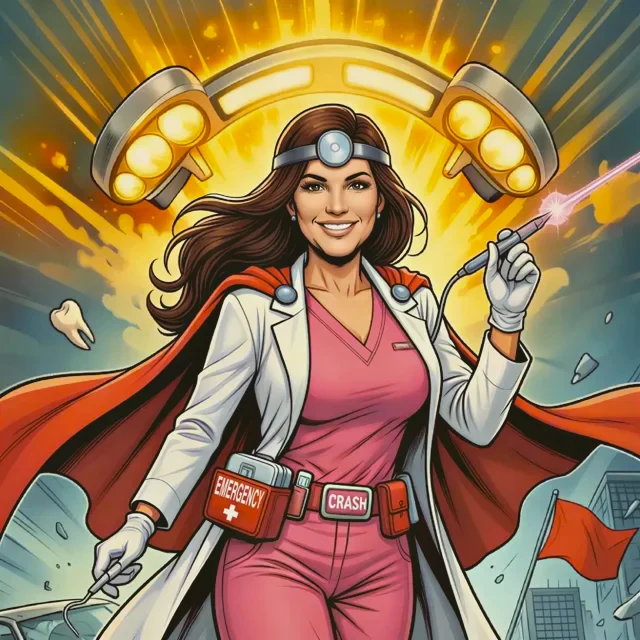 Janne Lynch, DDS Arizona
 Dr. Richard Epter Georgia
 Dr. Matthew T. Ranson Arizona