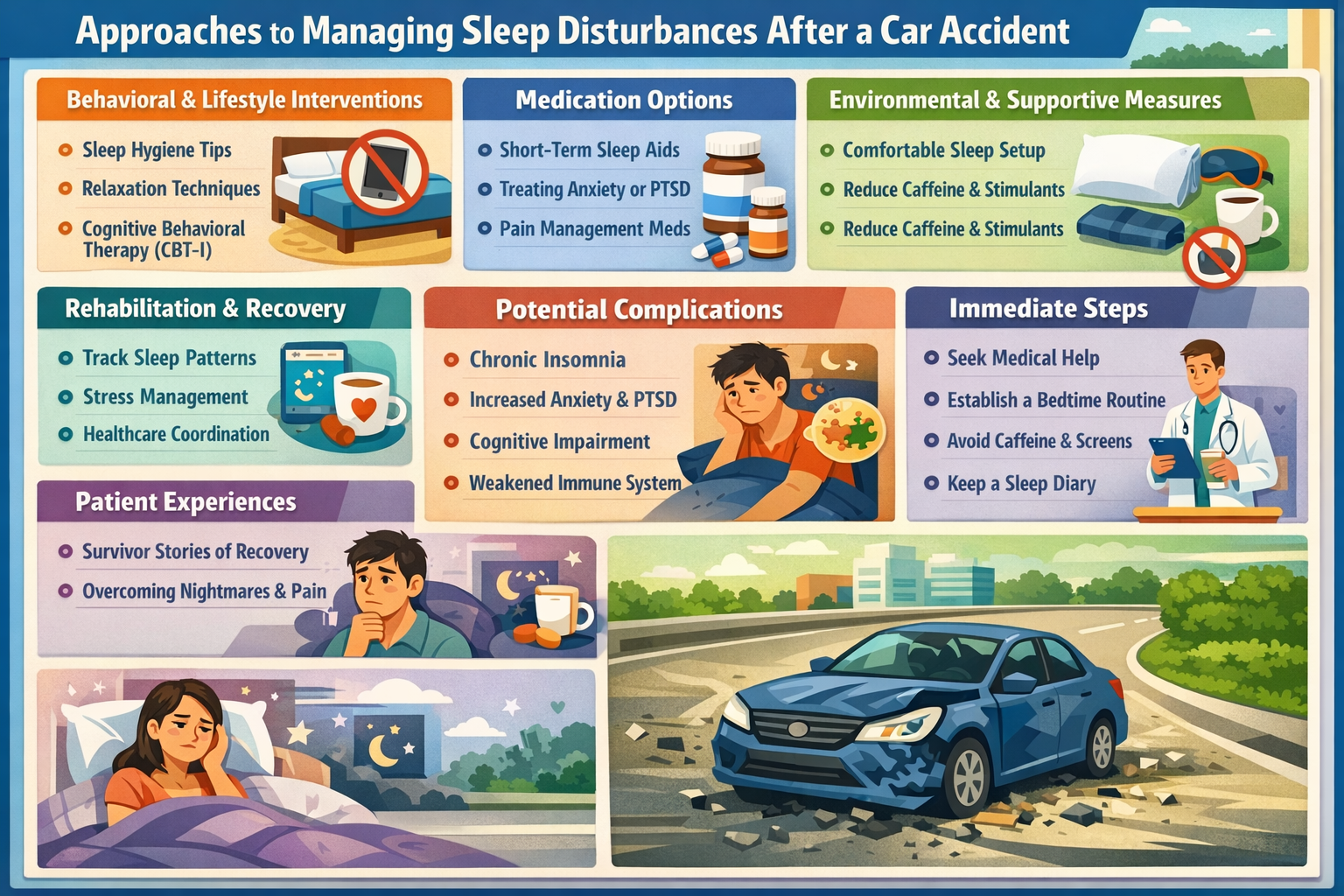
Sleep Disturbances and Insomnia After Car Accidents: Understanding, Coping, and Recovery
Life After a Car Accident
A car accident can turn life upside down in an instant. Beyond the visible injuries like bruises, fractures, or whiplash, the emotional and psychological aftermath can be just as challenging. One of the most commonly overlooked consequences is sleep disturbance, including difficulty falling asleep, staying asleep, or achieving restorative rest.
Sleep is essential for both physical healing and mental recovery. After a car accident, the body and mind are under immense stress. Pain, fear, anxiety, and trauma can all disrupt sleep patterns. For some survivors, these disturbances are temporary. For others, sleep problems evolve into chronic insomnia, significantly affecting emotional well-being, physical recovery, and quality of life.
Understanding sleep disturbances after a car accident—the causes, signs, treatments, and coping strategies—is crucial for patients, families, and healthcare providers. Proper recognition and management can improve recovery outcomes and help survivors regain normal sleep and daily functioning.
What Are Sleep Disturbances and Insomnia?
Sleep disturbances encompass a range of problems that interfere with the ability to fall asleep, stay asleep, or achieve restful sleep. Insomnia is a specific form of sleep disturbance characterized by persistent difficulty initiating or maintaining sleep, or waking up too early, accompanied by daytime impairment, such as fatigue, irritability, or difficulty concentrating.
After a car accident, sleep disturbances can manifest as:
- Difficulty falling asleep: Racing thoughts about the accident, worries about recovery, or anxiety about driving again.
- Frequent awakenings: Pain, nightmares, or flashbacks disrupt the ability to maintain sleep.
- Early morning awakenings: Waking too early feeling unrested or unable to return to sleep.
- Non-restorative sleep: Sleeping through the night but waking feeling tired, fatigued, or unrefreshed.
Sleep disturbances after trauma are common and may occur alongside other conditions such as anxiety, depression, PTSD, or chronic pain, all of which can further exacerbate insomnia.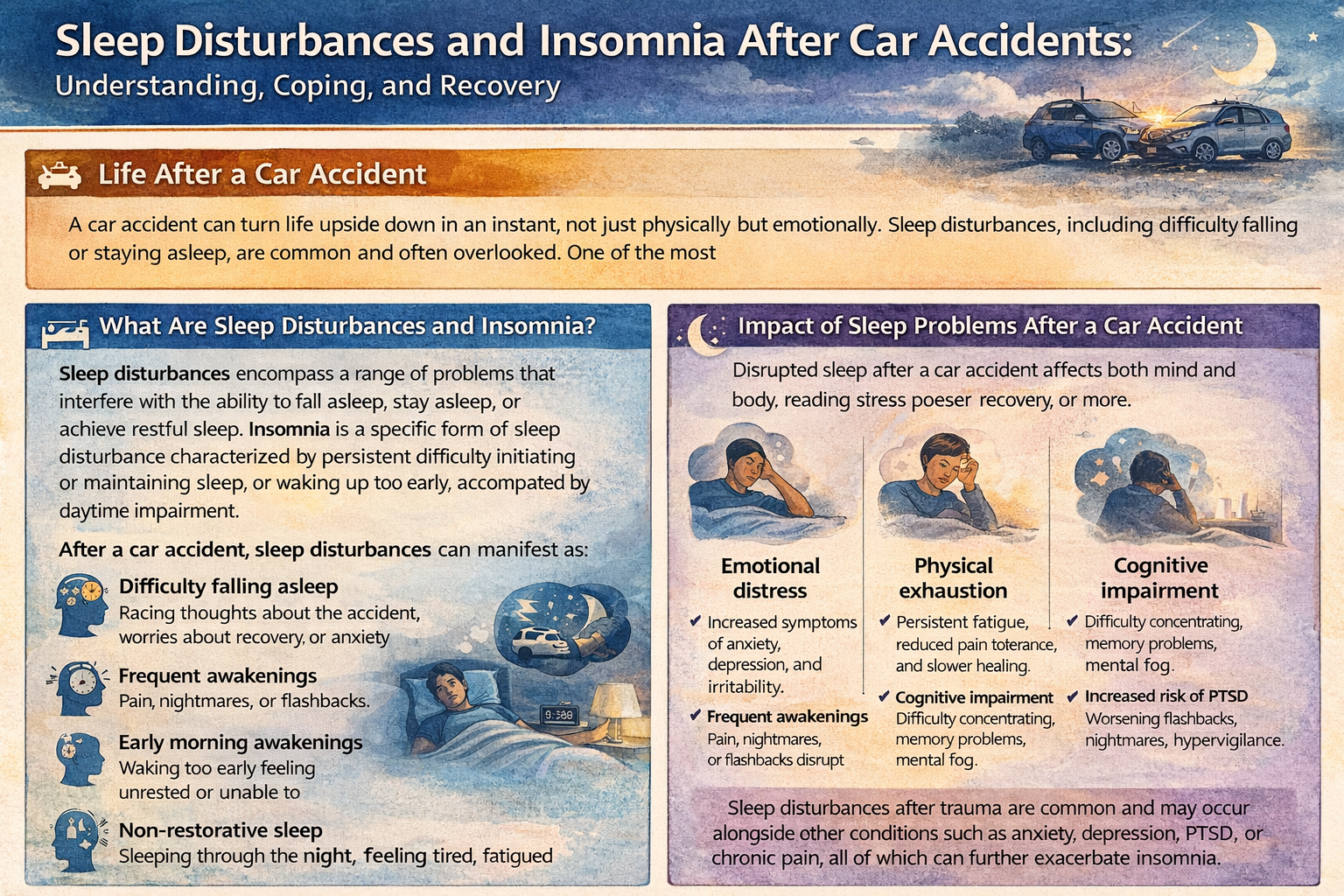
Causes and Risk Factors
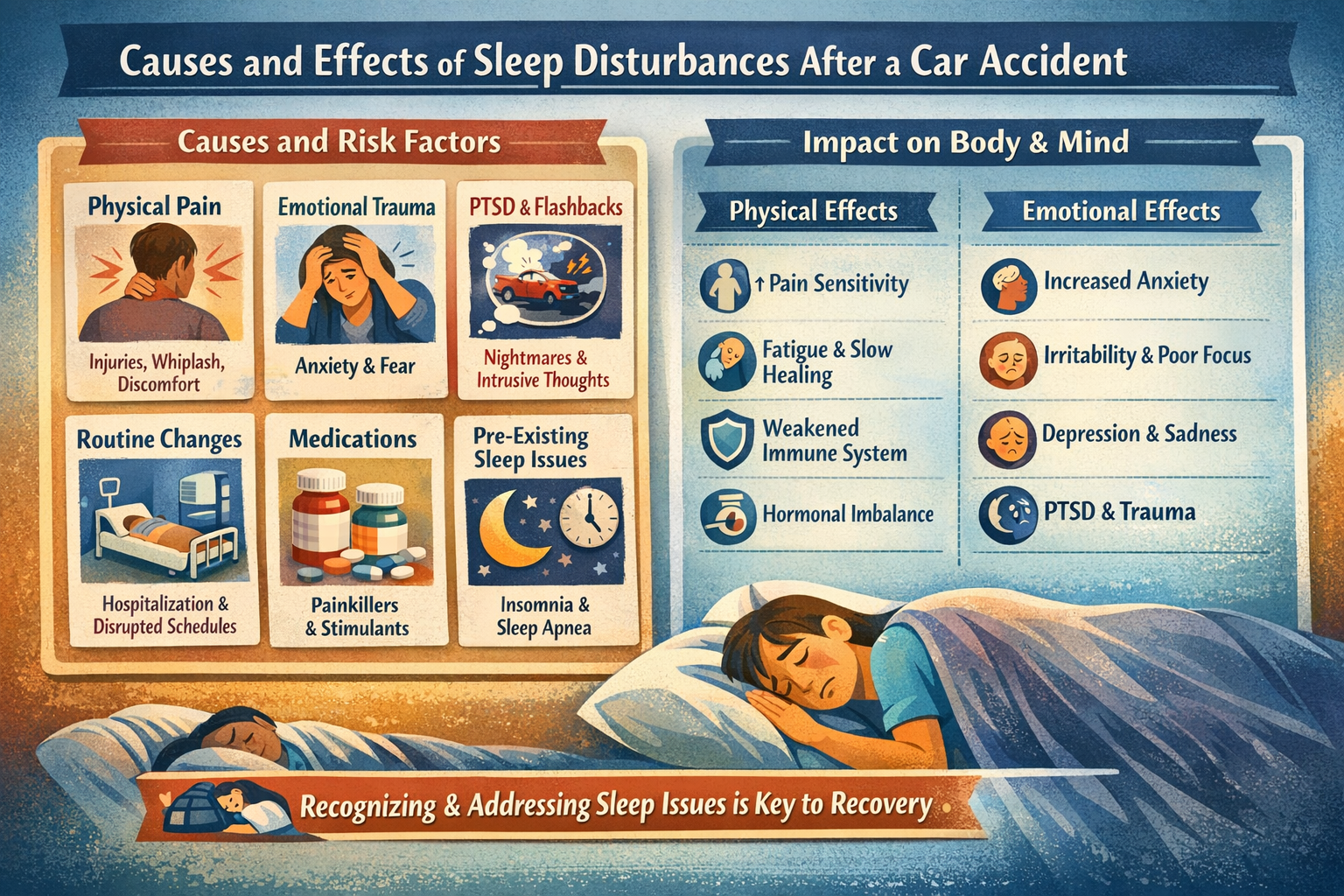
Several factors contribute to sleep disturbances after a car accident:
- Physical pain or discomfort: Injuries such as fractures, bruises, whiplash, or soft tissue damage can make finding a comfortable sleep position difficult.
- Emotional trauma: Anxiety, fear, or distress about driving, traffic, or future accidents can prolong wakefulness.
- Post-traumatic stress reactions: Flashbacks, intrusive thoughts, or nightmares related to the accident can disrupt sleep.
- Changes in routine or environment: Hospitalization, altered work schedules, or changes in daily life routines affect sleep cycles.
- Medications: Pain medications, steroids, or stimulants prescribed for accident-related injuries may interfere with natural sleep patterns.
- Pre-existing sleep problems: Individuals with prior insomnia, sleep apnea, or circadian rhythm disorders may be more vulnerable.
Recognizing these causes helps healthcare providers identify appropriate interventions and support patients in achieving restorative sleep.
How Sleep Disturbances Affect the Body and Mind
Sleep disturbances after a car accident impact both physical healing and emotional health. Poor sleep can create a vicious cycle, where lack of rest exacerbates pain, stress, and anxiety, which in turn worsens sleep problems.
Physical effects:
- Increased sensitivity to pain
- Fatigue and reduced energy for rehabilitation
- Weakened immune system and slower healing
- Hormonal imbalances affecting mood and appetite
- Cardiovascular stress due to poor restorative sleep
Emotional and cognitive effects:
- Heightened anxiety and irritability
- Difficulty concentrating or making decisions
- Emotional reactivity, sadness, or depressive symptoms
- Impaired coping with trauma or stress
- Exacerbation of post-accident anxiety, PTSD, or depression
Restoring healthy sleep patterns is critical to physical recovery, emotional regulation, and overall quality of life after a car accident.
Recognizing Sleep Disturbances After a Car Accident
Sleep disturbances may develop immediately or weeks after a collision. Key signs include:
- Difficulty falling asleep despite feeling tired
- Waking frequently during the night due to pain, stress, or nightmares
- Early morning awakenings feeling unrested
- Daytime fatigue, irritability, or difficulty focusing
- Dependence on naps or stimulants to stay awake
- Increased anxiety, restlessness, or emotional sensitivity
Recognizing these patterns early allows for timely interventions, preventing chronic insomnia and supporting holistic recovery.
Diagnosing Post-Accident Sleep Disturbances
Assessment should include pain severity, PTSD symptoms, depression, anxiety, medication effects, caffeine or stimulant use, alcohol use, sleep apnea symptoms, and daytime sleepiness.
Healthcare providers diagnose sleep disturbances through thorough evaluation, including:
- Medical history: Assessing physical injuries, trauma response, prior sleep patterns, and medications.
- Sleep history: Detailed questions about bedtime routines, duration, quality, and frequency of awakenings.
- Psychological assessment: Evaluating for coexisting anxiety, depression, or PTSD.
- Sleep studies: Sleep studies are not routine for insomnia alone, but may be considered when sleep apnea, parasomnia, circadian rhythm disorder, or another sleep disorder is suspected.
- Functional assessment: Determining how sleep problems affect daily activities, work, and rehabilitation.
Accurate diagnosis ensures targeted treatment and prevents misattributing sleep problems solely to pain or stress.
Treatment Approaches
Management of sleep disturbances after a car accident is multifaceted, addressing both psychological and physical contributors:
1. Behavioral and lifestyle interventions:
- Cognitive behavioral therapy for insomnia CBT I: First line treatment for chronic insomnia, using strategies such as stimulus control, sleep restriction, cognitive restructuring, and sleep hygiene
- Sleep hygiene: Maintaining consistent sleep schedules, reducing screen time before bed, and creating a comfortable, quiet sleep environment.
- Relaxation techniques: Meditation, deep breathing exercises, progressive muscle relaxation, or guided imagery.
- Pain management: Addressing discomfort with medications, physical therapy, or positioning techniques to facilitate sleep.
2. Medications:
- Short-term sleep aids: May be considered only when clinically appropriate, after discussing benefits, risks, next day sedation, dependence risk, and driving safety.
- Addressing coexisting conditions: Antidepressants, anxiolytics, or PTSD medications may improve sleep indirectly.
- Pain medications: Carefully managed to reduce nighttime discomfort without disrupting natural sleep cycles.
3. Environmental and supportive measures:
- Using comfortable bedding, pillows, or sleep supports tailored to injuries
- Maintaining a dark, quiet, and cool bedroom environment
- Limiting caffeine or stimulant intake, especially in the afternoon and evening
- Encouraging daytime physical activity to promote natural sleepiness
Combining these strategies often results in better sleep quality, improved recovery, and enhanced emotional well-being.
Rehabilitation and Recovery
Recovery from post-accident sleep disturbances requires structured, patient-centered interventions:
- Gradual re-establishment of routines: Returning to normal sleep and wake schedules, balancing rest and activity.
- Tracking sleep patterns: Using sleep diaries or apps to monitor progress, identify triggers, and adjust strategies.
- Coordination with healthcare providers: Adjusting therapy, medications, or physical rehabilitation plans to optimize rest.
- Stress management: Incorporating mindfulness, relaxation, or guided breathing techniques daily.
- Social and emotional support: Family, friends, or support groups can provide encouragement and accountability.
With consistent intervention, most patients gradually restore healthy sleep patterns, which in turn improves physical healing and emotional resilience.
Potential Complications
Untreated sleep disturbances can worsen both physical and emotional outcomes:
- Chronic insomnia leading to fatigue, reduced energy, and slower recovery
- Exacerbation of pain perception and physical discomfort
- Increased risk of anxiety, depression, or PTSD
- Impaired cognitive function, memory, and concentration
- Reduced immune function and susceptibility to illness
- Greater risk of accidents or errors due to daytime sleepiness
Timely identification and treatment of sleep disturbances are crucial to prevent these complications and promote holistic recovery.
Hypothetical Patient Examples
Hypothetical examples highlight the impact of post-accident sleep disturbances:
A man involved in a multi-car collision reported waking multiple times at night due to pain and vivid flashbacks. Persistent sleep deprivation contributed to irritability, difficulty focusing at work, and heightened anxiety about driving. With CBT-I, guided relaxation, and pain management strategies, he gradually regained uninterrupted sleep and improved daytime functioning.
A woman with whiplash struggled with insomnia for several months, fearing nightmares about the accident. Mindfulness exercises, gradual exposure therapy to driving situations, and supportive counseling helped her reduce nighttime awakenings and reclaim restful sleep.
These hypotheses examples underscore the importance of early intervention, empathy, and individualized care in managing post-accident sleep problems.
Immediate Steps for Individuals
Anyone experiencing sleep disturbances after a car accident should:
- Seek evaluation by a qualified healthcare provider or sleep specialist
- Address pain, anxiety, or trauma that may be contributing to insomnia
- Establish a consistent bedtime routine and relaxing pre-sleep activities
- Avoid caffeine, alcohol, and electronic screens before bedtime
- Keep a sleep diary to track patterns, triggers, and progress
Seek urgent medical help if sleep problems occur with suicidal thoughts, severe confusion, chest pain, severe breathing difficulty, fainting, or inability to stay awake safely while driving.
Prompt attention enhances recovery, reduces risk of chronic insomnia, and supports emotional and physical healing.
Prevention and Coping Strategies
While accidents themselves cannot be prevented, proactive strategies can reduce sleep disturbance severity:
- Immediate emotional support: Family, friends, or professionals can provide reassurance and validation.
- Stress reduction techniques: Meditation, guided imagery, or deep breathing exercises.
- Gradual return to normal routines: Reintegration into work, social activities, and driving in a structured manner.
- Environmental optimization: Quiet, dark, and comfortable sleeping spaces, with temperature and bedding adjustments.
- Professional support: Early involvement of sleep specialists, therapists, or physical therapists to address pain and trauma.
These strategies enhance resilience, emotional regulation, and sleep quality after trauma.
Living With Sleep Disturbances After a Car Accident
Recovery from post-accident insomnia is gradual but achievable. Patients benefit from:
- Consistently following treatment plans, including therapy and medications
- Using relaxation and mindfulness exercises to promote restorative sleep
- Gradually rebuilding confidence in daily routines and driving
- Maintaining physical health with exercise, nutrition, and hydration
- Seeking social and emotional support from trusted individuals
Over time, improved sleep quality supports better emotional regulation, reduced pain perception, and overall recovery.
Long-Term Outlook
With proper care, many patients improve with appropriate care, but persistent insomnia needs follow up. Cognitive-behavioral therapy, medical interventions, and lifestyle adjustments can restore healthy sleep patterns. Persistent sleep problems may still occur in some individuals, particularly those with coexisting PTSD, chronic pain, or anxiety, but targeted interventions can minimize their impact and improve quality of life.