

Why Finding the Right Car Accident Injury Doctor Matters
A car accident injury doctor is a medical professional who specializes in diagnosing and treating injuries sustained in auto accidents. Here’s what you need to know:
Quick Answer: How to Choose a Car Accident Injury Doctor
- Seek care within 72 hours of the accident, even if you feel fine
- Look for specialists experienced in auto injuries (chiropractors, pain management doctors, orthopedists)
- Ensure they document thoroughly for insurance and legal purposes
- Choose a multidisciplinary clinic that offers comprehensive treatment options
- Verify they accept direct billing to your auto insurance
You’ve just been in a car accident. The adrenaline is pumping. You walk away thinking you’re fine—maybe a little shaken, but no big deal.
Then you wake up the next morning. Your neck is stiff. Your back aches. A headache that wasn’t there yesterday is now pounding. What just happened?
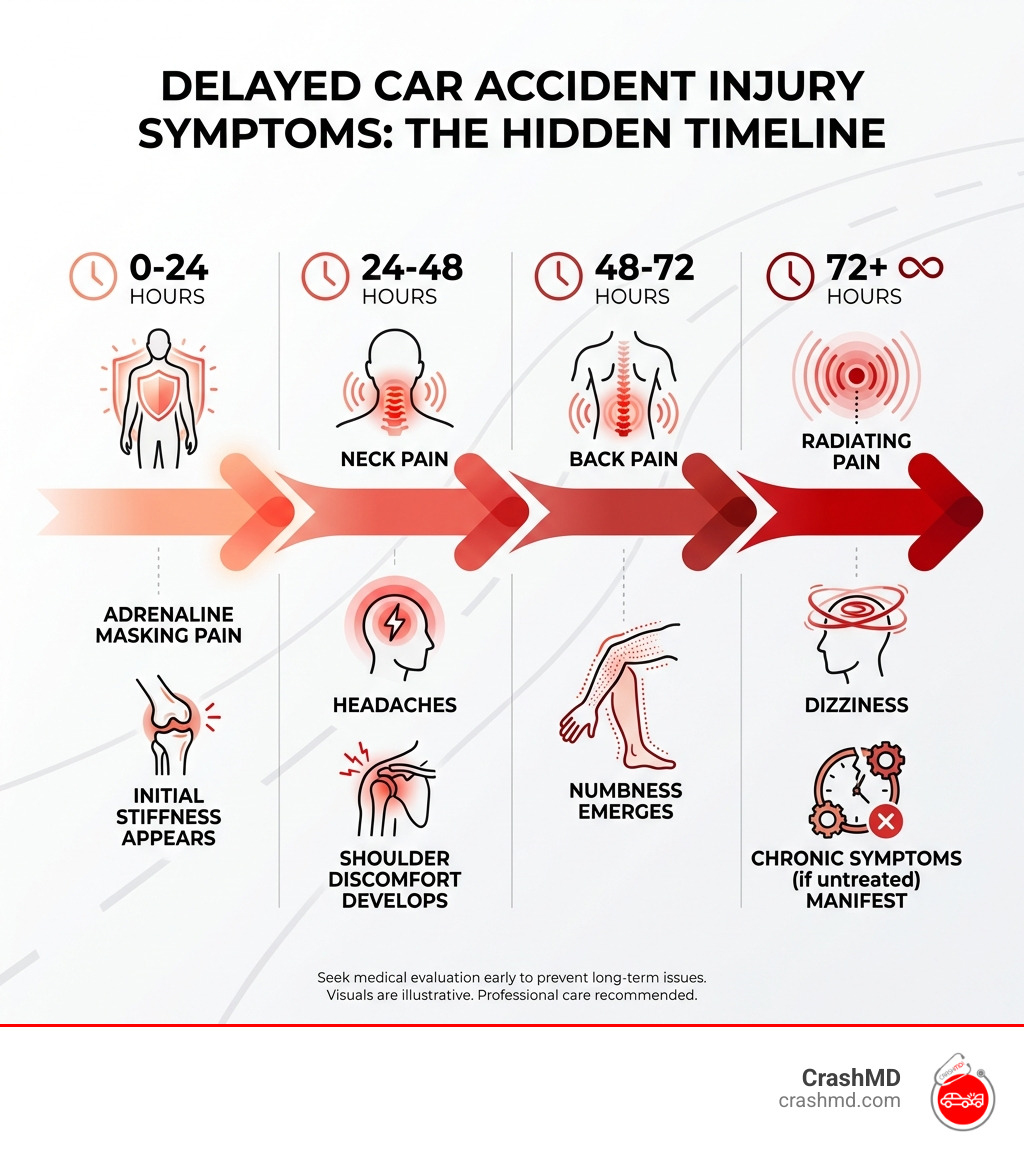
This is common because car accidents are traumatic events. The resulting rush of adrenaline can mask pain for hours or even days. It can take a week or more for the full extent of your injuries and discomfort to become apparent.
That’s why seeing a doctor after any collision—no matter how minor it seems—isn’t just about your health. It’s about protecting your future. Hidden injuries like whiplash, soft tissue damage, or internal bleeding don’t always show symptoms right away. Left untreated, they can lead to chronic pain, reduced mobility, and long-term complications.
Plus, there’s your insurance claim to consider. Medical documentation gathered early establishes a clear timeline and proves your injuries are accident-related. Without it, insurance companies may dispute your claim or argue your injuries happened elsewhere.
The good news? With the right car accident injury doctor, you can get the comprehensive care you need and the documentation to support your recovery journey.
Why You Must See a Doctor Immediately After a Crash
After a car accident, your first instinct might be to go home and rest. However, it’s crucial to act quickly. Even minor collisions can cause hidden injuries like whiplash, soft tissue damage, or internal bleeding that don’t show symptoms right away. During a traumatic event, your body releases adrenaline and endorphins, natural painkillers that can mask injury and make you feel deceptively “fine.”
As medical experts advise, it’s best to listen to your body and know it can take a day or two to feel the full brunt of the accident. It’s common to wake up the day after an accident and feel worse than you did just hours after the impact. This is why it’s crucial to see a doctor immediately after a car accident, even if you don’t feel pain. Waiting can turn a manageable injury into a chronic problem.
For an example of how delayed symptoms can appear after a crash, you can review guidance such as the article on post-accident warning signs from Windham Hospital, a Hartford HealthCare member hospital: 3 Signs You Should See a Doctor After a Car Accident. While every situation is unique, resources like this highlight why prompt evaluation matters.
Beyond your immediate health, timely medical evaluation is vital for establishing a clear timeline for insurance purposes and protecting your legal rights. If there’s a significant gap between your accident and your first medical visit, insurance adjusters might argue that your injury wasn’t caused by the accident. We’re here to help ensure your medical care supports both your physical recovery and any necessary claims. Since symptoms can be delayed, sometimes for weeks, it’s important to visit a doctor to rule out a serious injury.
Everyone should be aware of key warning signs, even if they initially feel fine. These include any new or different pain, numbness, or weakness. Don’t let adrenaline fool you into thinking you’re in the clear.
The Dangers of Untreated Injuries
Ignoring symptoms or delaying medical attention after a car accident can have severe, long-term consequences. What might start as a minor discomfort could escalate into chronic pain syndromes, severely impacting your quality of life. We’ve seen patients struggle with reduced mobility, making everyday tasks challenging, and even developing degenerative disc disease years after an accident because their initial injuries went unaddressed.
Untreated injuries can also lead to permanent nerve damage, causing persistent numbness, tingling, or weakness. Beyond the physical toll, the psychological trauma of an accident can be exacerbated by ongoing pain, potentially leading to anxiety or depression. Our goal at CrashMD is to prevent these long-term effects by ensuring you receive prompt and comprehensive care from an experienced car accident injury doctor. Early intervention is key to managing pain and maximizing your chances for a full recovery.
First Steps to Protect Your Health and Claim
The moments immediately following a car accident can be chaotic. It’s tough to think clearly, but taking these crucial steps can make a world of difference for both your health and any potential claim:
- Ensure Safety First: If possible, move your vehicle to the side of the road and turn on your hazard lights.
- Call 911 if Needed: If anyone is seriously injured, or if there’s significant damage, call emergency services immediately. For serious injuries like disorientation, trouble walking, a broken bone, or a blow to the neck, back, or head, seek immediate medical attention.
- Document the Scene Thoroughly: Use your phone to take photos of everything: vehicle damage, the accident scene from multiple angles, road conditions, and any visible injuries.
- Exchange Information: Get contact details, insurance information, and vehicle details from all parties involved. If there are witnesses, ask for their contact information too.
- Don’t Admit Fault: Avoid making any statements that admit fault at the scene. Stick to the facts.
- Seek Medical Evaluation Within 72 Hours: This is the most critical step. Even if you feel fine, visit a car accident injury doctor within 72 hours. This helps detect hidden injuries and creates essential medical documentation for your insurance claim. Adrenaline can mask pain, and symptoms often take a day or two to manifest fully.
Taking these steps helps us advocate for you and ensures that your injuries are properly documented and attributed to the accident, protecting your health and your rights.
Common Car Accident Injuries and Their Warning Signs
Car accidents, even seemingly minor ones, can result in a wide array of injuries. The sudden impact can wreak havoc on the body, often affecting multiple areas simultaneously. Many people involved in car accidents have an assortment of injuries, not just one specific type. Understanding the most common injuries and their warning signs is the first step toward seeking appropriate care from a car accident injury doctor.
From our experience, we frequently see:
- Whiplash: A common injury resulting from the rapid back-and-forth motion of the neck.
- Concussions: Mild traumatic brain injuries that can have lasting effects.
- Soft Tissue Injuries: Damage to muscles, tendons, or ligaments throughout the body.
- Back and Spine Injuries: Ranging from muscle strains to herniated discs.
- Fractures: Broken bones, which can occur in various parts of the body.
- Scrapes and Cuts: Superficial injuries that still require proper cleaning and care to prevent infection.
- Internal Injuries: Less visible but potentially life-threatening injuries like internal bleeding.
Let’s dig deeper into some of the most prevalent types of injuries we treat.
Whiplash and Neck Injuries
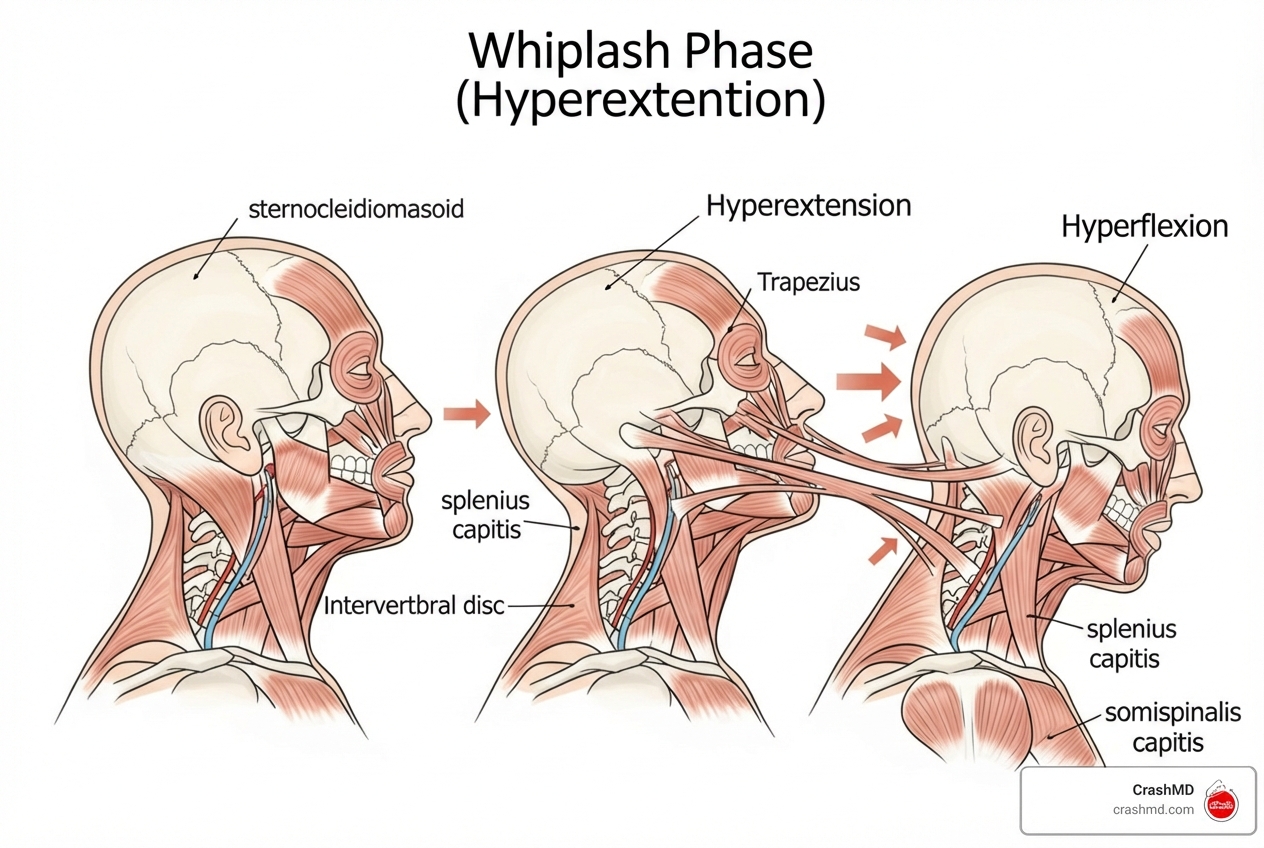
Whiplash is a notorious car accident injury caused by the sudden, forceful back-and-forth movement of the neck. This motion can strain the muscles, ligaments, and tendons in your neck and even injure the cervical discs.
Common signs and symptoms of whiplash and other neck injuries include:
- Neck pain and stiffness: This can range from a dull ache to sharp, stabbing pain, often worsening with movement.
- Headaches: Often starting at the base of the skull and radiating towards the forehead or temples. Headaches and migraines can result from even small auto accidents.
- Dizziness: A feeling of lightheadedness or unsteadiness.
- Shoulder pain: Pain that radiates from the neck into the shoulders, sometimes accompanied by stiffness.
- Numbness or tingling in arms: This can indicate nerve irritation or compression in the neck.
If you experience any of these symptoms, even if they appear days after the accident, it’s crucial to consult a car accident injury doctor.
Concussions and Head Injuries
A concussion is a mild traumatic brain injury (TBI) caused by a jolt to the head or a blow to the body that whips the head back and forth. Despite being labeled “mild,” concussions can have serious effects if not properly managed.
Warning signs and symptoms of concussions and head injuries can include:
- Headache or pressure: A persistent headache or a feeling of pressure in the head.
- Confusion: Feeling dazed, disoriented, or having trouble thinking clearly.
- Memory loss: Difficulty remembering the events surrounding the accident.
- Nausea or vomiting: Feeling sick to your stomach or actually throwing up.
- Sensitivity to light or sound: Finding bright lights or loud noises irritating.
- Brain fog: Feeling mentally sluggish, slow, or fuzzy.
You don’t need to lose consciousness to have a concussion. If you suspect a concussion, immediate medical evaluation by a car accident injury doctor is paramount.
Back, Spine, and Soft Tissue Injuries
The force of a car accident can significantly impact your back and spine, leading to injuries from muscle strains to more severe conditions like herniated discs. Soft tissue injuries, affecting muscles, tendons, and ligaments, are also incredibly common.
Signs and symptoms of back, spine, and soft tissue injuries often include:
- Lower back pain: Aching or sharp pain in the lumbar region.
- Muscle spasms: Involuntary and painful tightening of back muscles.
- Sprains and strains: Injuries to ligaments (sprains) or muscles/tendons (strains) that cause pain, swelling, and limited movement.
- Bruising: Visible discoloration on the skin, indicating underlying tissue damage.
- Radiating pain down legs (sciatica): Sharp, shooting pain, numbness, or tingling that travels from the lower back down one or both legs, often indicative of a pinched nerve or herniated disc.
- Limited range of motion: Difficulty bending, twisting, or straightening your back or affected limbs.
Herniated discs or spinal misalignments can cause sharp, chronic pain, or numbness in limbs. Any of these symptoms warrant prompt assessment by a car accident injury doctor to prevent chronic issues.
The Role of a Car Accident Injury Doctor in Your Recovery
When you’ve been in an accident, your focus should be on healing, not navigating complex medical and insurance systems. A specialized car accident injury doctor is your most crucial ally. We don’t just treat symptoms; we offer comprehensive care designed to guide you through recovery, including patient advocacy and meticulous documentation.

A dedicated car accident injury doctor provides:
- Comprehensive Evaluation: We conduct a thorough assessment to uncover all injuries, even those that might be hidden or delayed.
- Accurate Diagnosis: Using advanced diagnostic tools and our expertise, we pinpoint the exact nature and extent of your injuries.
- Patient Advocacy: We advocate for your best interests with insurance companies and legal processes. Our USP is advocating for patients and documenting injuries for legal cases, ensuring comprehensive recovery before legal action.
- Coordinating Care: We act as your central point of contact, coordinating with other specialists as needed.
- Multidisciplinary Approach: We believe in a holistic approach, integrating various therapies to address every aspect of your recovery. At CrashMD, we specialize in comprehensive auto injury care—from diagnosis to rehabilitation.
What to Expect from Your First Car Accident Injury Doctor Visit
Your first visit is a critical step towards recovery. We aim to make this experience as stress-free as possible. Here’s what to expect:
- Medical History Review: We’ll review your overall health, pre-existing conditions, and past injuries to understand your health baseline and how the accident may have impacted it.
- Discussion of Accident Details: We’ll discuss the accident details—the impact, your position in the vehicle, and immediate symptoms—to understand the potential injury mechanisms.
- Physical Examination: Our doctor will conduct a thorough physical exam, assessing areas of pain, tenderness, swelling, and your range of motion. We’ll test your muscle strength, flexibility, and neurological responses.
- Diagnostic Imaging Orders: Based on our assessment, we may order diagnostic imaging like X-rays or an MRI to visualize your bones, joints, and soft tissues, providing clear evidence of injuries.
- Initial Treatment Plan: We’ll discuss our preliminary findings and outline an initial treatment plan customized to your specific injuries and needs.
We encourage you to ask questions during this visit. Our goal is to ensure you feel heard, understood, and confident in the path forward.
How Doctors Diagnose and Treat Your Injuries
Accurately diagnosing car accident injuries requires a keen eye and the right tools. Our car accident injury doctors use a combination of clinical expertise and advanced diagnostic imaging to get a complete picture of your condition.
Here’s a look at common diagnostic tools and their uses:
| Diagnostic Tool | What It Shows | Common Injury Applications |
|---|---|---|
| X-ray | Bone fractures, dislocations, alignment issues | Fractures, spinal misalignment, some joint damage |
| MRI | Soft tissue injuries (muscles, ligaments, tendons), | Whiplash, herniated discs, nerve damage, internal injuries |
| spinal cord, brain (concussions) | ||
| CT Scan | Detailed bone images, internal bleeding, organ damage | Complex fractures, head injuries, internal organ trauma |
Once we have a clear diagnosis, our team develops a personalized, comprehensive treatment plan. Typical treatment options we might recommend include:
- Physical Therapy: A cornerstone of recovery, using guided exercises to restore strength, flexibility, and range of motion.
- Chiropractic Care: Focuses on spinal adjustments to correct misalignments and reduce nerve irritation, beneficial for whiplash and back pain.
- Pain Management Injections: For targeted relief, we may use injections like peripheral joint, trigger point, or epidural steroid injections to reduce inflammation and pain.
- Medication: Prescription medications to manage pain, reduce inflammation, or relax muscles may be part of your plan.
- Musculoskeletal Ultrasound Therapy: Used for both diagnosis and treatment, guiding injections and assessing soft tissue damage.
- Interventional Spinal Therapeutics: Advanced procedures for complex spinal pain.
- Radiofrequency Neurolysis: A procedure that uses heat to deactivate nerves causing chronic pain.
- Spasticity Management: For patients experiencing muscle stiffness or spasms.
- Regenerative Medicine: Innovative therapies to promote natural healing.
- Referrals to Specialists: If your injuries are severe, we will refer you to other experts, such as a neurologist for complex nerve issues or an orthopedic surgeon for fractures. You can learn more about what neurologists treat from resources like Hartford HealthCare’s Neuroscience Institute. If these treatments don’t provide lasting relief, your provider might recommend orthopedic surgery.
Our multidisciplinary approach ensures you receive the most effective and integrated care, all coordinated by your primary car accident injury doctor.
Navigating Your Recovery and Pain Management
Recovery after a car accident is a journey, not a sprint. It involves consistent effort, patience, and adherence to your personalized treatment plan. Our car accident injury doctors are here to guide you every step of the way, focusing on both physical healing and effective pain management.
Recovery timelines can vary significantly. For minor sprains, you might feel better within weeks. However, more serious injuries, like herniated discs or fractures, could require months of dedicated care. The key to a successful recovery is diligently following your treatment plan, which often heavily features physical therapy.
Physical therapy is integral to most auto injury recovery plans. It helps restore function, reduce pain, and prevent long-term complications. Alongside therapy, effective pain management techniques are crucial. This can include medication, injections, or alternative therapies, all aimed at making your recovery more comfortable. Rest is also a vital component of healing, allowing your body the time it needs to repair itself.
How Pre-Existing Conditions Can Affect Recovery
It’s a common misconception that if you had a prior issue, your current pain isn’t accident-related. However, a car accident can significantly aggravate symptoms from certain pre-existing conditions, such as:
- Arthritis: The trauma of an accident can aggravate arthritic joints, leading to increased pain and inflammation.
- Disc degeneration: Pre-existing wear and tear on spinal discs can be intensified by the impact, potentially causing new or worse herniations.
- Stenosis, or narrowing, of the spinal canal: An accident can further compress nerves in an already narrowed canal, leading to severe pain, numbness, or weakness.
- Radiculopathy, or a pinched nerve: Existing nerve compression can be exacerbated by the forces of a collision.
It is absolutely crucial to disclose any pre-existing conditions to your car accident injury doctor. This transparency allows us to create a treatment plan that addresses both your new injuries and any aggravation of prior conditions, ensuring comprehensive care and accurate documentation for your claim. To understand how everyday back pain can be managed and why sudden worsening after a crash matters, you can review general resources like Hartford HealthCare’s tips on home care for back pain: 6 Ways To Treat Back Pain At Home.
What to Do if Symptoms Worsen
The healing process isn’t always linear; symptoms can worsen or new ones can appear weeks or even months later. This doesn’t mean recovery is failing, but it is a sign to communicate with us.
If you notice your symptoms intensifying, or if you develop new pain, numbness, weakness, or any other concerning signs, contact your car accident injury doctor immediately. Do not ignore new symptoms, hoping they will go away on their own. Untreated pain can become chronic, and new symptoms could indicate a developing complication.
We will likely recommend a re-evaluation, which may include further diagnostic testing to pinpoint the cause of the new or worsening symptoms. Based on these findings, we can then adjust your treatment plan, ensuring you continue to receive the most effective care for your evolving condition. Your proactive communication is key to a successful recovery.
Frequently Asked Questions about Car Accident Care
We know you have a lot of questions after a car accident. We’ve compiled some of the most common ones we hear from our patients across Arizona, Nevada, Texas, Oklahoma, Southern California, and Northern California, to help you better understand the journey ahead.
How long does recovery from a car accident typically take?
Recovery time is highly individual, depending on injury severity, your overall health, and adherence to your treatment plan. For minor sprains and strains, you might feel better within a few weeks. However, more serious injuries like fractures, herniated discs, or concussions can require months of dedicated therapy.
Consistent care is key. With proper care and physical therapy, most patients begin feeling better within weeks. Adhering to your prescribed treatments and attending all appointments significantly impacts your recovery speed and success. Our goal is to help you heal as quickly and thoroughly as possible.
How do insurance claims work for car accident injuries?
Navigating insurance claims can feel overwhelming, but we’re here to simplify the medical side of it. Medical documentation is crucial. Your car accident injury doctor plays a vital role by providing detailed medical records that:
- Establish Proof of Injury: Our accurate diagnoses and documentation clearly link your injuries to the accident.
- Support Necessity of Treatment: We document every step of your treatment, justifying the medical care you receive.
- Create a Clear Timeline: Our prompt evaluations and ongoing records establish a consistent timeline of your injuries and treatment, which is critical for insurance adjusters.
Delaying medical treatment can give insurance adjusters arguments to dispute the cause or extent of injuries. We work to ensure your records are thorough and accurate. Many of our clinics can also assist with documentation and billing questions, and some offer direct billing to major insurance providers to simplify the process. Our USP at CrashMD is advocating for patients and documenting injuries for legal cases, ensuring comprehensive recovery before legal action.
For a general overview of how auto insurance and medical payments can work together after a crash, consumer resources such as the National Association of Insurance Commissioners provide educational information on auto insurance and claims. These resources are not specific to your case but can help you understand common terms and concepts.
When should I see a specialist like a neurologist or orthopedic surgeon?
Your car accident injury doctor serves as your primary care coordinator. While we handle a wide range of injuries, we will recommend a specialist in certain situations:
- Nerve-Related Symptoms: If you experience persistent or worsening symptoms like severe numbness, tingling, weakness, or radiating pain, we may refer you to a neurologist, who specializes in the brain, spinal cord, and nerves.
- Suspected Fractures or Joint Damage: For confirmed or suspected broken bones, severe ligament tears, or complex joint injuries that might require surgery, an orthopedic surgeon is the appropriate specialist.
- Failure of Conservative Treatment: If your symptoms don’t improve with conservative treatments like physical therapy or injections after a reasonable period, we might suggest a specialist for more advanced interventions.
Our multidisciplinary approach means we collaborate with a network of specialists, including chronic pain specialists, physiatrists, neurologists, and orthopedic surgeons, to ensure you receive the most appropriate care. We will guide you on when and where to seek specialized care.
Conclusion: Taking the First Step Towards Healing
After a car accident, the path to recovery might seem daunting, but it doesn’t have to be. We’ve walked alongside countless patients through this journey, and our message remains clear: don’t delay care. The hidden dangers of untreated injuries and the complexities of insurance claims make prompt, expert medical attention from a car accident injury doctor an absolute necessity.
Remember these key takeaways:
- Don’t delay care: Even if you feel fine, seek medical evaluation within 72 hours to catch hidden injuries and protect your health and claim.
- Choose a doctor experienced in auto injuries: Look for a car accident injury doctor who understands the unique nature of accident-related trauma and can provide comprehensive, multidisciplinary care.
- Proper documentation is vital: Accurate and timely medical records are your strongest allies for insurance claims and legal proceedings.
- Focus on recovery: Let us handle the medical complexities so you can dedicate your energy to healing.
At CrashMD, we guide accident victims through recovery, offering expert pain management and custom treatment plans. We’re committed to advocating for you and ensuring your injuries are thoroughly documented for legal cases, securing comprehensive recovery before legal action. Your health is our priority, and we’re here to help you get back to feeling like yourself again.
Take control of your recovery with expert pain management today.