

Why a Concussion Management Program Matters for Your Recovery
A concussion management program is a structured, multi-phase approach to treating traumatic brain injuries that guides you from initial diagnosis through full recovery. These programs typically include baseline testing, symptom monitoring, graduated return-to-activity protocols, and coordination among healthcare professionals to ensure safe healing.
What a comprehensive concussion management program includes:
- Immediate assessment – Removal from activity and evaluation by a trained healthcare professional
- Symptom tracking – Daily monitoring of physical, cognitive, and emotional symptoms
- Graduated recovery phases – Stepwise progression from rest to full activity (typically 6 phases)
- Return-to-learn strategy – Academic accommodations and modified workload
- Return-to-play protocol – Carefully timed reintroduction to sports or physical work
- Multidisciplinary care team – Coordination between physicians, therapists, and specialists
- Follow-up testing – Neurocognitive assessments to confirm recovery before clearance
Most children with a concussion feel better within a couple of weeks. However, the path isn’t always straightforward. Some people experience symptoms for weeks or even months after their injury. The difference between a quick recovery and prolonged suffering often comes down to one thing: having the right management program in place.
Whether your concussion happened in a car accident, sports injury, or another traumatic event, understanding how these programs work is your first step toward healing. The research is clear – proper concussion management reduces the risk of long-term problems and helps prevent future injuries.
The challenge? Not all concussion care is created equal. Without a structured program, you might return to activities too soon, worsening your symptoms and extending your recovery time. The average time to unrestricted return to sport after a concussion is approximately 20 days, but this varies significantly based on the quality of care you receive.

Understanding Concussions: The First Step to Recovery
Understanding what a concussion is and how it affects the brain is fundamental to effective recovery. It’s not “just a bump on the head” – it’s a serious injury that requires careful attention.
What is a Concussion?
A concussion is a type of traumatic brain injury (TBI) resulting from a bump, blow, or jolt to the head, or from a hit to the body that causes an impulsive force to be transmitted to the brain. In a sports context, this means a direct blow to the head, neck, or body that results in the brain moving rapidly back and forth inside the skull. This sudden movement can stretch and damage brain cells, affecting how the brain works. A concussion may or may not involve a loss of consciousness.
For more detailed information on identifying symptoms, you can visit our page on concussion symptoms after accident.
Common Signs and Symptoms
The signs and symptoms of a concussion can be subtle, sometimes appearing immediately, and other times developing over minutes or hours. They can also affect individuals differently. We categorize them into a few key areas:
- Physical Symptoms: These are often the most noticeable. They include headache (which may worsen), dizziness, nausea, vomiting, balance problems, sensitivity to light or noise, blurred vision, and feeling sluggish or dazed.
- Cognitive Symptoms: Concussions can impact your thinking processes. You might experience confusion, difficulty concentrating, memory issues, feeling “in a fog” or “slowed down,” and trouble remembering new information.
- Emotional Symptoms: Mood changes are common after a concussion. These can manifest as irritability, sadness, anxiety, increased emotionality, or nervousness.
- Sleep Symptoms: A concussion can disrupt your sleep patterns. You might sleep more or less than usual, or have trouble falling asleep.
Recognizing these symptoms is crucial for prompt action and effective management.
Long-Term Implications of Concussions
While most children with a concussion feel better within a couple of weeks, some individuals experience symptoms for weeks or even longer. This is often referred to as Post-Concussion Syndrome (PCS), where symptoms like headaches, dizziness, and cognitive difficulties persist.
The long-term implications of concussions can be significant, especially if not managed properly. These include:
- Prolonged recovery: Returning to activities too soon can delay healing and worsen symptoms.
- Increased risk of future concussions: A brain that hasn’t fully healed is more vulnerable to subsequent injuries.
- More serious brain injury: Second Impact Syndrome, though rare, can occur if a second concussion is sustained before the first has healed, leading to severe and potentially fatal brain swelling.
- Cognitive decline: Repeated concussions, or even a single severe one, can contribute to long-term cognitive issues.
The good news is that these risks can be significantly mitigated through a well-structured concussion management program. Early intervention is key for post-accident recovery, ensuring that the brain has the best possible chance to heal safely and completely. Learn more about why early intervention is key for recovery.
The Pillars of a Comprehensive Concussion Management Program

A robust concussion management program is built on several foundational elements, designed to protect individuals from initial injury through full recovery.
The Importance of Baseline Testing
Before an injury even occurs, baseline testing plays a vital role in concussion management. This involves conducting pre-injury assessments of an individual’s cognitive health, balance, vision, and neurocognitive abilities. These tests establish a “normal” reference point for that individual.
If a concussion is suspected later, post-injury testing can be compared against the baseline results. This objective data helps healthcare professionals assess the impact of the concussion, track recovery, and determine when it’s safe to return to activities. For example, ImPACT testing, one of the longest-standing FDA-cleared medical devices for concussion management, assesses cognitive health and helps track a patient’s recovery by providing objective data about their cognitive function before and after a concussion.
However, it’s important to acknowledge the limitations of baseline testing. While valuable, some experts note challenges related to reliability and feasibility, meaning it shouldn’t be the sole factor in decision-making. It’s one piece of a larger puzzle.
Key Components of a Concussion Management Program
A comprehensive concussion management program encompasses several crucial steps:
- Education: Informing athletes, parents, coaches, school staff, and healthcare providers about concussions, their symptoms, and the importance of reporting them. The NFHS, for instance, has teamed up with the CDC to educate coaches, officials, parents, and students on proper concussion recognition and management in high school sports.
- Prevention: Implementing rules, equipment standards, and coaching techniques aimed at reducing the risk of concussions.
- Recognition: Training individuals to identify the signs and symptoms of a suspected concussion.
- Immediate Removal from Play: Emphasizing that any individual with a suspected concussion must be immediately removed from activity.
- Evaluation: Ensuring a medical evaluation by a trained healthcare professional after a suspected concussion.
- Stepwise Return-to-Activity: Following a graduated protocol for returning to sports, school, or work.
The NFL’s Game Day Concussion Diagnosis and Management Protocol, developed in 2011 and reviewed annually, is a prime example of a comprehensive approach that reflects the most up-to-date medical consensus on concussion identification, diagnosis, and treatment. Organizations can ensure standardized care by conducting regular medical trainings for all personnel involved in player health and safety, expanding training to include all relevant medical roles, fostering communication, and standardizing medical protocols.
You can find more detailed guidance on these principles through the CDC HEADS UP Guidelines and Recommendations.
Advancements in Concussion Assessment
The field of concussion management is continually evolving, with new technologies and methodologies enhancing our ability to assess and manage these injuries.
One significant advancement is the use of FDA-cleared medical devices like ImPACT, ImPACT Pediatric, and ImPACT Quick Test. These computerized neurocognitive tests provide objective data on cognitive function, helping healthcare providers evaluate a patient’s post-injury condition and assist recovery decisions for a safe return to activity.
Beyond computerized testing, other emerging technologies include:
- Ocular Motor Screening: Tools like the King-Devick Test, which can be administered quickly on the sidelines, assess ocular motor, visual, and cognitive functions, providing immediate indicators of concussion.
- Balance Assessments: Advanced balance testing helps identify subtle deficits often associated with concussions.
- Advanced Imaging: While standard CT and MRI scans often appear normal in concussions, researchers are exploring advanced neuroimaging techniques to detect subtle brain changes.
These tools provide objective data, helping us move beyond subjective symptom reporting to make more informed decisions about diagnosis and recovery progression.
The Recovery Roadmap: Graduated Return to Life and Sport
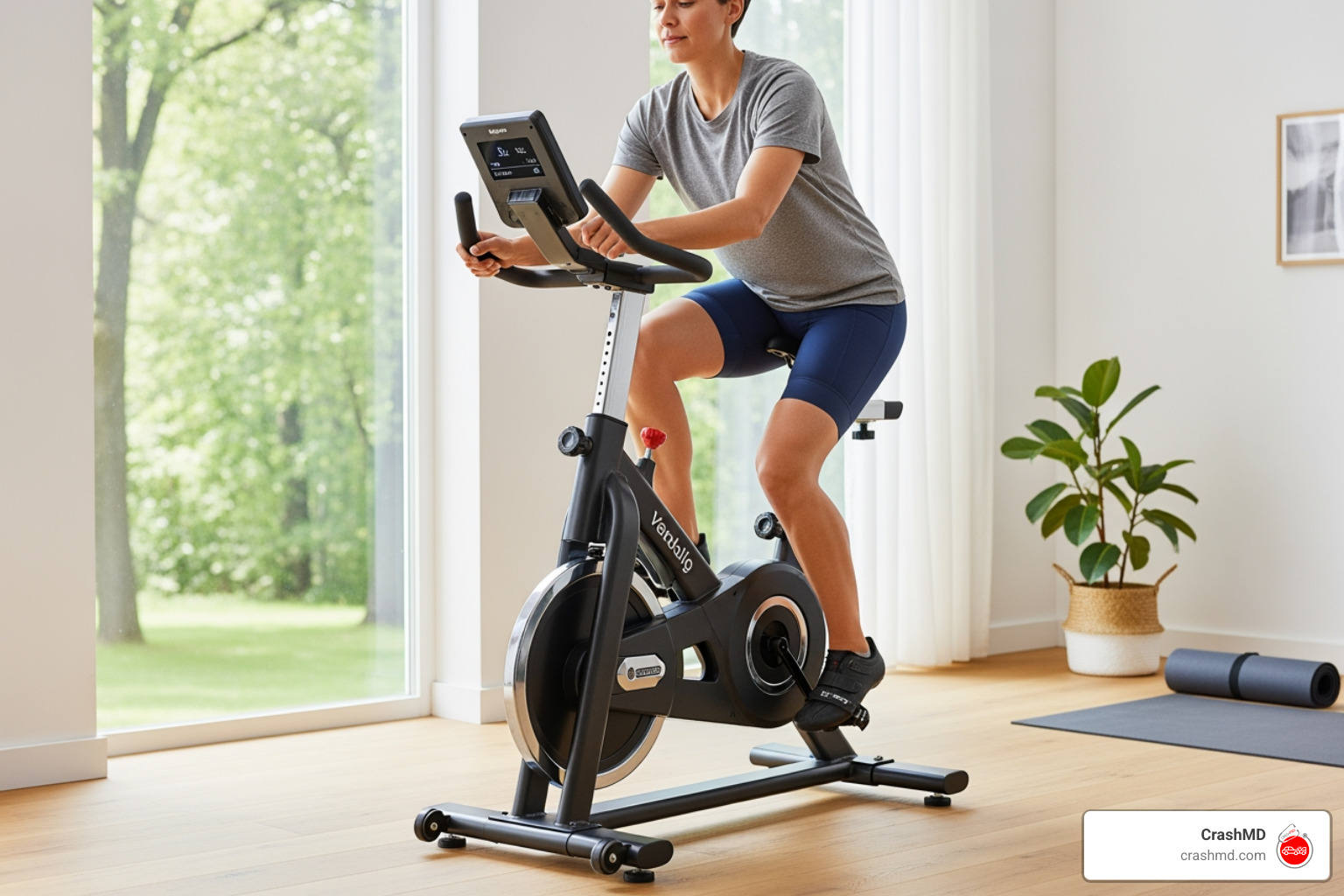
The journey back from a concussion requires patience and a structured, phased approach. Rushing the process can lead to setbacks and prolonged recovery.
Immediate Action for a Suspected Concussion
The golden rule in concussion management is: “When in doubt, sit them out.” If a concussion is suspected, the immediate action is crucial:
- Remove from Activity: The individual must be immediately removed from play or any activity that could worsen the injury. This applies whether it’s a sports field or a post-accident scenario.
- Sideline Evaluation: A trained healthcare professional should conduct a sideline evaluation. This initial assessment helps determine the severity and guides the next steps.
- Monitor for “Red Flags”: Be aware of “Red Flag” symptoms that indicate a medical emergency and require immediate emergency care. These include prolonged loss of consciousness, seizure-like activity, slurred speech, paralysis, unequal pupils, worsening headache, repeated vomiting, or increasing confusion. If any of these occur, call 911 or seek immediate medical attention.
- Seek Medical Evaluation: Even without red flags, any suspected concussion warrants evaluation by a healthcare professional experienced in concussion management. They can provide an accurate diagnosis and guide the recovery process.
Knowing what to do immediately after a car accident can make a significant difference in initial concussion care.
The Graduated Return-to-Play Protocol
For athletes, a graduated return-to-play protocol is essential to ensure a safe return to sport. This typically involves a minimum of 24 hours between each step, with progression only if no new symptoms arise. If symptoms return, the athlete must stop, rest, and then restart at the previous symptom-free step.
Here are the typical phases, as exemplified by protocols like the NFL’s Return-To-Participation Protocol:
- Symptom-Limited Activity: Complete rest, avoiding physical and cognitive activities that worsen symptoms. Focus on activities of daily living.
- Light Aerobic Exercise: Begin with light cardiovascular activity (e.g., walking, stationary cycling) for 10-15 minutes, gradually increasing duration and intensity, while carefully monitoring symptoms.
- Sport-Specific Exercise: Introduce more intense, sport-specific exercises (e.g., running drills, skating) but without any head impact. Neurocognitive testing may be administered here.
- Non-Contact Training Drills: Progress to more complex drills, coordination exercises, and supervised practice, but still without contact. All signs, symptoms, and tests should be at baseline.
- Full-Contact Practice: Medically cleared for participation in full-contact practice. This step allows for assessment of tolerance to typical game demands.
- Return to Competition: Full return to game play, assuming successful completion of all previous stages without symptom recurrence.
You can learn more about a structured approach by reviewing an example of a structured protocol.
Returning to School, Work, and Daily Activities
Concussion management isn’t just for athletes. Returning to daily life activities also requires a careful, graduated approach.
- Return-to-Learn Strategy: For students, this means a gradual reintroduction to academic demands. It might involve academic accommodations like a shortened school day, reduced workload, extended deadlines, or frequent rest breaks. Teachers, school nurses, and counselors should be informed of the student’s condition to provide appropriate support. Getting students back to school after a concussion, with proper support, can actually shorten recovery and reduce the likelihood of mental health symptoms.
- Returning to Work: Similar to school, returning to work after a concussion should be gradual. Initial stages might require reduced hours, modified tasks, or increased breaks. Careful evaluation of symptoms and neurocognitive status is essential. Physicians should also be cautious about allowing patients to return to driving, especially if they have problems with attention, processing speed, or reaction time.
- Daily Activities: In general, let any return of symptoms be your guide. If an activity causes symptoms to worsen, stop and rest. Gradual increases in physical and cognitive exertion are key.
The CDC provides valuable guidance on managing return to daily activities after a concussion.
Your Care Team: Assembling the Right Professionals
Effective concussion management is rarely a solo endeavor. It often requires a team of dedicated healthcare professionals working together to support your recovery.
The Role of Healthcare Professionals
Healthcare professionals are at the heart of any concussion management program. Their roles include:
- Initial Diagnosis and Medical Evaluation: A physician, often a sports medicine doctor or neurologist, makes the initial diagnosis, rules out more serious injuries, and establishes the concussion management plan.
- Oversight of Recovery: They monitor your progress, adjust your activity levels, and ensure you’re following the graduated return protocols.
- Return-to-Play/Work Decisions: The ultimate decision for clearance back to full activity rests with these medical professionals, often in consultation with other specialists. For instance, in professional sports, the club physician makes the final determination, often requiring confirmation from an Independent Neurocognitive (INC) specialist.
These professionals ensure that care reflects the most up-to-date medical consensus on identification, diagnosis, and treatment.
The Role of a Multidisciplinary Concussion Management Program
Many concussions, especially those with persistent symptoms, benefit immensely from a multidisciplinary team approach. This collaborative effort ensures all aspects of recovery are addressed. Such teams often include:
- Physical Therapists: They help with balance issues, neck pain, and exertional tolerance.
- Neuropsychologists: They assess cognitive function, memory, and attention, and can provide strategies for managing cognitive difficulties and emotional changes.
- Vestibular Therapists: Specialists who address dizziness, vertigo, and balance problems stemming from inner ear dysfunction.
- Vision Specialists: Optometrists or ophthalmologists specializing in vision therapy can help with problems like blurred vision, eye strain, or difficulty tracking.
- Other Specialists: Depending on symptoms, this might include headache specialists, sleep specialists, or mental health professionals.
Standardized care and collaboration among these stakeholders are crucial. Regular medical trainings, as seen in professional leagues, ensure everyone is on the same page regarding protocols and patient care. Physical therapy plays a significant role in pain management and rehabilitation after an accident, including concussions. Learn more about the role of physical therapy in pain management.
Managing Complex or Chronic Symptoms
For individuals experiencing Persistent Post-Concussive Symptoms (PPCS), the multidisciplinary approach becomes even more critical. These complex cases require targeted interventions based on a “treatment-based classification” of symptoms. For example:
- Cervical Spine Assessment and Treatment: Neck pain and dysfunction often contribute to concussion symptoms, requiring specific physical therapy interventions.
- Ocular and Vestibular Therapy: Specialized exercises can retrain the eyes and inner ear to improve balance, reduce dizziness, and alleviate visual symptoms.
- Post-Traumatic Migraine Management: Specific pharmacological and lifestyle interventions can manage persistent headaches.
- Cognitive Fatigue, Anxiety/Mood Management: Neuropsychologists and mental health professionals provide strategies and support for these common challenges.
If symptoms worsen, do not resolve after 2-4 weeks, or if there’s a history of multiple concussions or risk factors for prolonged recovery (like migraines or ADHD), referral to a concussion specialist is highly recommended. These complex cases often benefit from a holistic approach to pain management, addressing the interconnectedness of physical, mental, and emotional well-being. Explore holistic pain management approaches that can support concussion recovery.
Navigating the System: Policy, Legal, and Educational Resources
Beyond the medical aspects, understanding the broader framework of policies, legal considerations, and available educational resources is vital for effective concussion management program implementation and patient advocacy.
Legal and Ethical Considerations
Concussion management involves significant legal and ethical considerations, particularly in sports and accident contexts.
- Duty of Care: Organizations, coaches, and healthcare providers have a legal and ethical duty to protect individuals from harm and provide appropriate care. This includes having clear concussion policies and protocols in place.
- Informed Consent: Athletes, or their guardians, must be informed about the risks of concussions and the protocols for their management.
- Documenting Injuries: Accurate and thorough documentation of the injury, symptoms, evaluations, and recovery process is paramount. This not only aids medical care but is also crucial for any potential legal cases, ensuring comprehensive recovery before legal action. This is where CrashMD excels, advocating for patients and ensuring injuries are properly documented.
- State and League-Specific Regulations: Many states and sports leagues have specific laws or policies governing concussion management, particularly for youth sports. These regulations often mandate education, immediate removal from play, and medical clearance before returning to activity. While specific requirements vary by state, the overarching goal is player safety. For organizations operating in Arizona, Nevada, Texas, Oklahoma, Southern California, and Northern California, understanding these specific regional regulations is key to compliance and effective management.
- Return-to-Play Clearance: Legal liability often hinges on ensuring that individuals are medically cleared to return to activity by a qualified healthcare professional, following established protocols.
Educational Resources for All Stakeholders
Education is a cornerstone of any successful concussion management program, empowering everyone involved to recognize, respond to, and prevent concussions. Fortunately, numerous resources are available:
- CDC HEADS UP Campaign: This comprehensive initiative provides free online training courses custom for various audiences:
- HEADS UP to Youth Sports Coaches: Teaches how to spot concussion signs and respond.
- HEADS UP to Schools: Helps teachers and school staff understand how concussions affect learning, emotions, and behavior.
- HEADS UP to Athletic Trainers: Focuses on prevention, evaluation, and management strategies.
- HEADS UP to Sports Officials: Provides essential information for officials to recognize possible concussion signs.
- HEADS UP to Healthcare Providers: Offers evidence-based recommendations for pediatric mild TBI.
- NFHS Learning Center: In partnership with the CDC, the National Federation of State High School Associations offers the “Concussion in Sports” course, recommended for coaches, parents, administrators, officials, and students. This course educates on the impact of sports-related concussions, recognition, management, and safe return-to-play protocols. You can access this valuable training at the NFHS Concussion in Sports Course.
These resources ensure that athletes, parents, coaches, and medical professionals are well-informed and equipped to handle concussions effectively.
Conclusion
Navigating a concussion can feel overwhelming, but with the right concussion management program, your healing journey can be structured, supported, and successful. We’ve explored how a concussion is defined, its common symptoms, and the potential long-term implications if not properly addressed. We’ve highlighted the crucial role of baseline testing, the key components of a comprehensive program, and the advancements in assessment tools that guide our understanding.
The roadmap to recovery involves immediate action for suspected concussions, followed by carefully graduated return-to-play protocols for athletes and custom strategies for returning to school, work, and daily life. Critically, we’ve emphasized the indispensable role of a multidisciplinary team of healthcare professionals – from physicians to physical therapists and neuropsychologists – who collaborate to provide holistic care, especially for complex or chronic symptoms. Finally, we’ve touched upon the legal and ethical considerations and the wealth of educational resources available to empower everyone involved.
At CrashMD, we understand that injuries, particularly concussions from accidents, require not only expert medical care but also meticulous documentation and patient advocacy. Our mission is to guide accident victims through their recovery, offering expert pain management and custom treatment plans, while ensuring their injuries are fully documented for any legal needs. Your proactive engagement in a personalized concussion management program is your best defense against prolonged recovery.
If you or someone you know has sustained a concussion, especially from a motor vehicle accident, don’t delay in seeking expert care. Let us help you find the right specialists for your healing journey. Find a doctor for successful treatment after a car accident today.