

Why Immediate Car Crash Injury Treatment Can Save Your Life
Car crash injury treatment should begin immediately after a collision. Even if you feel fine due to adrenaline, a prompt evaluation is critical to identify hidden injuries and prevent long-term complications.
Essential Car Crash Injury Treatments:
- Emergency Medical Assessment – ER or urgent care visit within 24-72 hours
- Pain Management – RICE protocol, medications, injections, or alternative therapies
- Physical Therapy – Restoring mobility and preventing chronic pain
- Chiropractic Care – Spinal alignment and soft tissue healing
- Surgical Intervention – For severe fractures, internal bleeding, or TBI
- Mental Health Support – Counseling for trauma, anxiety, or PTSD
Car accidents are a leading cause of injury in the United States. Over 2 million people get injured in car crashes annually, and nearly 12 out of every 1,000 people visit the emergency room for crash-related injuries. Even a minor collision can cause serious damage.
Here’s the problem: adrenaline can mask your pain. You might walk away feeling fine, only to develop symptoms of a concussion, whiplash, or internal bleeding days or weeks later. For example, a subdural hematoma may not show symptoms for months.
Recovery from a car crash is a multi-faceted process. It requires immediate medical attention, a personalized treatment plan, and ongoing care for both physical and emotional well-being. Starting proper treatment quickly improves your chances of a full recovery without chronic pain or permanent disability.
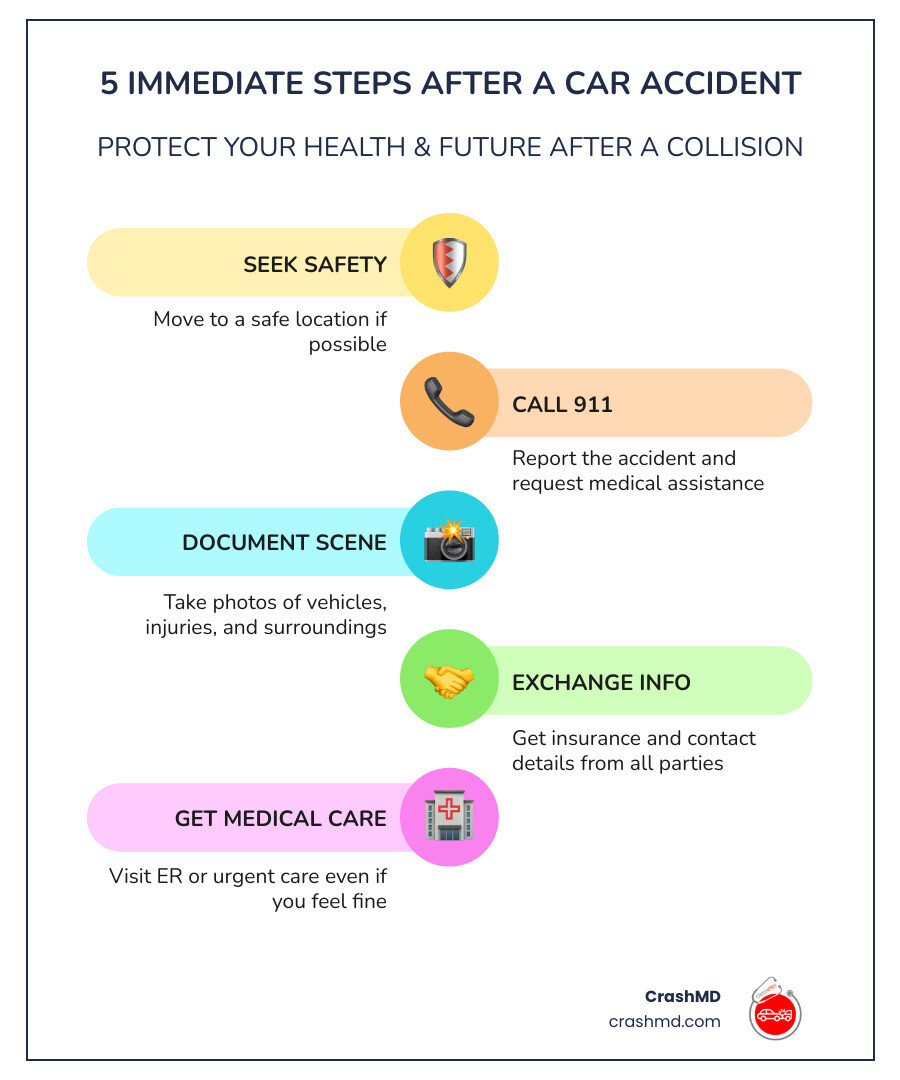
First Steps: Identifying Injuries and Seeking Immediate Care
Your health is the top priority after a car accident. It’s crucial to seek medical attention right away, even if you feel okay. Nearly 12 out of every 1,000 people visit the emergency room each year for crash-related injuries, and many injuries aren’t immediately obvious because adrenaline can mask pain.

An immediate visit to an ER or urgent care clinic allows a medical professional to identify hidden injuries like internal bleeding or a subdural hematoma, which can be life-threatening if not caught early. Even a minor fender bender can cause significant damage.
Common Car Accident Injuries
Car accidents can cause a wide range of injuries. Understanding the most common types helps you recognize potential issues and seek the right car crash injury treatment.
- Whiplash: A common neck injury from the head jerking forward and backward, whiplash strains neck muscles and ligaments. Most people recover in three months, but symptoms can persist.
- Soft Tissue Injuries: These are sprains, strains, and bruises to muscles, tendons, and ligaments. They may not appear on X-rays, requiring a thorough physical exam.
- Back and Spinal Cord Injuries: An impact can cause herniated discs, fractured vertebrae, or severe spinal cord damage, leading to chronic pain, numbness, or even paralysis.
- Traumatic Brain Injuries (TBIs): Vehicle crashes are the third most common cause of traumatic brain injuries (TBIs), such as concussions. A seemingly minor head bump can cause headaches and dizziness, while severe TBIs can lead to long-term neurological issues.
- Fractures: Broken bones in the limbs, ribs, and collarbone are common from direct impact.
- Knee Injuries: Accounting for about 10% of all car accident injuries, these include ligament or meniscus tears from impact with the dashboard.
- Abrasions and Lacerations: Scrapes and cuts can occur from shattered glass or debris.
Managing Delayed Symptoms After an Accident
It’s common to feel fine after a crash, only to wake up days later with new symptoms. This is why early medical evaluation is critical. Delayed symptoms can include:
- Headaches: May indicate a concussion or whiplash.
- Dizziness or Vertigo: Often linked to head or neck injuries.
- Neck or Shoulder Pain and Stiffness: Classic signs of whiplash that can worsen if untreated.
- Back Pain: Can signal soft tissue damage, a herniated disc, or spinal injury.
- Numbness or Tingling: May indicate nerve impingement from a spinal injury.
- Abdominal Pain or Swelling: Could be signs of internal bleeding and require immediate attention.
Document all symptoms in a detailed journal. This is crucial for your car crash injury treatment plan and any legal or insurance claims. For instance, symptoms of a subdural hematoma may not show apparent symptoms like worsening headache or confusion until days or even weeks to months later. Never ignore new or worsening symptoms; always consult a medical professional.
Your Comprehensive Car Crash Injury Treatment Plan
After your initial assessment, the real work of car crash injury treatment begins. At CrashMD, we guide you through a personalized, multidisciplinary treatment plan to restore function, alleviate pain, and prevent long-term complications.

Effective Pain Management Strategies
Pain is often the most pressing concern. Our approach focuses on both immediate relief and long-term solutions. For initial soft tissue injuries, the RICE protocol (Rest, Ice, Compression, Elevation) is often recommended.
While over-the-counter pain medications offer temporary relief, it’s important to be cautious. Recent evidence suggests that using NSAIDs too soon could potentially slow the recovery process. We help determine the best course of action for your pain. Other options may include:
- Prescription Medications: Stronger pain relievers or muscle relaxants for severe pain.
- Steroid Injections: To reduce inflammation in specific areas like the spine or joints.
- Nerve Blocks: To temporarily numb nerves for significant pain relief.
- Alternative Therapies: Treatments like acupuncture can help manage chronic pain.
The Role of Physical Therapy and Rehabilitation
Physical therapy is a cornerstone of car crash injury treatment. It restores your body’s capabilities and prevents future issues. A custom program may include:
- Restoring Mobility: Gentle stretches and exercises to loosen stiff joints and muscles.
- Strengthening Muscles: Targeted exercises to build strength and support around injured areas.
- Manual Therapy: Hands-on techniques like soft tissue manipulation to reduce pain and promote healing.
- Functional Mobility Training: Regaining the ability to perform daily activities safely.
Physical therapy helps reduce pain, improve function, and prevent chronic pain and secondary complications.
Chiropractic Care and Massage Therapy for Car Crash Injury Treatment
Chiropractic care and massage therapy are beneficial for musculoskeletal injuries. Chiropractors use gentle adjustments to restore spinal alignment, reduce inflammation, and relieve pressure on nerves.
Massage therapy focuses on soft tissues (muscles, tendons, ligaments). It promotes healing by increasing blood flow, releasing muscle tension, and reducing scar tissue formation. Combining these therapies often provides comprehensive relief and supports a faster recovery.
When Surgical Intervention is Necessary
While we prioritize conservative car crash injury treatment, surgery is sometimes necessary for severe injuries or when non-surgical approaches fail. Common scenarios requiring surgery include:
- Severe Fractures: Complex breaks may need plates, screws, or rods for stabilization.
- Spinal Injuries: Unstable fractures or severe herniated discs may require surgery to relieve pressure on the spinal nerves or fuse broken bones.
- Internal Bleeding: Surgery may be needed to locate and repair the source of a hemorrhage.
- Traumatic Brain Injuries (TBIs): Severe TBIs may require surgery to remove clotted blood or repair skull fractures to relieve pressure on the brain.
- Herniated Discs Unresponsive to Conservative Care: If a herniated disc causes persistent, debilitating symptoms, surgery might be recommended.
The Holistic Road to Recovery
Recovering from a car accident is a holistic journey that involves both physical and mental health. Healing isn’t always linear and requires patience, self-compassion, and a commitment to nurturing your body and mind.
Typical Recovery Timelines and Influencing Factors
Recovery timelines vary for everyone, but here are some general estimates:
- Minor Injuries: Bruises and mild sprains usually heal within a few days to a couple of weeks.
- Moderate Injuries: Whiplash and minor fractures often require several weeks to a few months of car crash injury treatment. For whiplash, most people recover within three months, though some symptoms may persist.
- Severe Injuries: TBIs, spinal cord damage, and complex fractures can require months or years of rehabilitation.
Factors influencing recovery include injury severity, age, overall health, adherence to treatment, and psychological well-being.
How Nutrition and Lifestyle Impact Healing
Your diet and lifestyle significantly impact recovery.
- Anti-inflammatory Diet: Eat fruits, vegetables, lean proteins, and healthy fats. Limit processed foods and sugar.
- Protein for Tissue Repair: Consume enough lean protein (chicken, fish, beans) to help rebuild tissue.
- Hydration: Drink plenty of water to transport nutrients and flush out toxins.
- Adequate Rest and Sleep: Aim for 7-9 hours of quality sleep, as your body does most of its repair work while you rest.
- Avoid Smoking and Excessive Alcohol: Both can impede the healing process by restricting blood flow and interfering with sleep.
A healthy lifestyle actively contributes to a faster, more complete recovery.
Coping with the Psychological and Emotional Impact
A car accident can leave a lasting emotional and psychological imprint. It’s normal to experience anxiety, depression, or even Post-Traumatic Stress Disorder (PTSD). In fact, one in three car crash victims develop moderate to severe mental health problems, which can increase the risk of chronic pain and prolong recovery.
It’s essential to address these emotional wounds as part of your comprehensive car crash injury treatment. Coping strategies include:
- Journaling: To process your thoughts and feelings.
- Exercise: Gentle, doctor-approved activity can boost your mood.
- Support Systems: Lean on friends, family, or support groups.
- Mindfulness: Practices like deep breathing and meditation can calm your nervous system.
- Professional Counseling: Seek help from a mental health professional if distress interferes with your daily life.
Seeking psychological support is a sign of strength and a crucial step toward healing.
Navigating the Aftermath: Documentation and Legal Considerations
Navigating the aftermath of a car accident involves crucial administrative and legal steps. Proper documentation is essential for protecting your rights and ensuring you receive fair compensation for your car crash injury treatment and other damages. At CrashMD, we advocate for our patients by thoroughly documenting injuries for all legal and insurance purposes.
Key Steps for Documenting Your Car Crash Injury Treatment
Meticulous record-keeping is the backbone of any insurance claim or legal action.
- Keep a Detailed Journal: Immediately start logging symptoms, pain levels, daily impacts, appointments, and conversations with doctors or insurers.
- Save All Medical Bills and Receipts: Keep every bill and receipt related to your medical care.
- Follow Your Doctor’s Treatment Plan Exactly: Adhering to your prescribed car crash injury treatment plan is vital to show you are actively recovering and prevents insurers from arguing non-compliance.
- Obtain Copies of All Medical Records: Request all reports, imaging results, and notes from every provider.
- Photograph Everything: Take photos of the accident scene, vehicle damage, and your injuries as they progress.
- Gather Other Evidence: Secure police reports and witness statements. For more tips, you can refer to resources on gathering evidence after a car accident.
This documentation builds a strong medical-legal narrative for your case.
Understanding Insurance Claims and Fault
Understanding claims and fault is crucial when dealing with insurance companies.
- Filing an Insurance Claim: Promptly notify both your insurer and the other driver’s insurer, but avoid admitting fault.
- Fault Determination: In states like Arizona, Nevada, Texas, Oklahoma, and California, the “at-fault” driver is generally responsible for damages, based on police reports and evidence.
- Comparative Negligence: Many states use this rule, meaning your compensation may be reduced by your percentage of fault.
- Role of a Personal Injury Lawyer: A lawyer can be invaluable for navigating claims. They investigate, gather evidence, communicate with insurers, and negotiate fair compensation so you can focus on recovery. Understanding how filing a claim works is helpful, but always consult a local attorney.
- Medical-Legal Narrative: CrashMD provides a comprehensive medical-legal narrative that links your injuries to the accident and outlines the necessity of your car crash injury treatment. This is critical for proving your case and securing the compensation you deserve.
Frequently Asked Questions about Car Accident Recovery
How can I prevent car accident injuries?
While you can’t control other drivers, you can minimize your risk.
- Always Wear a Seatbelt: It’s the most effective way to prevent serious injury or death.
- Use Appropriate Child Safety Seats: Ensure children are properly secured for their age and size.
- Avoid Distracted Driving: Put your phone away and focus on the road.
- Never Drive Impaired: Don’t drive under the influence of alcohol, drugs, or certain medications.
- Maintain Your Vehicle: Regularly check brakes, tires, and lights.
- Follow Traffic Laws: Obey speed limits and signals, and maintain a safe following distance.
- Stay Alert: Be aware of your surroundings.
For more advice, refer to the CDC traffic and road safety tips.
What are the common treatments for whiplash?
Effective car crash injury treatment for whiplash, a common neck injury involves a multi-pronged approach:
- Rest: Initially limiting neck-aggravating activities.
- Pain Medication: Over-the-counter or prescription medications to manage pain.
- Physical Therapy: Crucial for recovery, involving gentle exercises and stretches to restore mobility and strength.
- Heat and Cold Therapy: Ice to reduce initial swelling, and heat to relax tense muscles.
- Chiropractic Adjustments: To realign the spine and alleviate nerve pressure.
- Massage Therapy: To release muscle tension and promote soft tissue healing.
Adhering to your treatment plan is key to preventing chronic pain.
How soon after a car accident should I see a doctor?
You should see a doctor as soon as possible, ideally within 24 to 72 hours, even if you feel fine.
Here’s why:
- Adrenaline Masking Pain: Adrenaline can temporarily hide injury symptoms.
- Hidden Injuries: Serious issues like internal bleeding or concussions may not have immediate symptoms but can be life-threatening.
- Early Diagnosis and Treatment: Early intervention with proper car crash injury treatment leads to better outcomes and can prevent chronic conditions.
- Documentation for Legal Purposes: A timely medical evaluation creates an official record linking your injuries to the accident, which is crucial for insurance or legal claims.
Don’t wait to get checked out by a medical professional.
Your Partner in Recovery
The journey to recovery after a car accident is complex, involving physical, emotional, and administrative challenges. From the initial shock to the intricate process of car crash injury treatment and legal navigation, it’s a path no one should walk alone.
At CrashMD, we are your dedicated partner through this entire process. We guide accident victims through every stage of recovery, offering expert pain management and custom treatment plans. Our multidisciplinary approach ensures you receive comprehensive care for everything from whiplash to the psychological impacts of trauma.
Our unique strength is advocating for our patients by carefully documenting injuries and treatment. This medical-legal narrative is vital for protecting your rights and ensuring you receive fair compensation. Our goal is to ensure your comprehensive recovery before any legal action, setting you up for the best possible outcome.
Proactive, holistic management of your injuries is key to preventing long-term complications. Don’t let the aftermath of an accident overwhelm you. We are here to help you heal, recover, and move forward.
Find expert motor vehicle accident doctors to start your recovery journey.