

Why Finding the Right Spinal Cord Injury Specialist is Critical After an Accident
A spinal cord injury specialist is a doctor who treats injuries to the spinal cord, helping patients maximize function and improve their quality of life. These specialists, including physiatrists, neurosurgeons, and orthopedic surgeons, lead an interdisciplinary team to provide comprehensive care from the emergency room through long-term rehabilitation.
Each year in the U.S., about 17,000 new spinal cord injuries occur, with car accidents (38%) and falls (30%) being the leading causes. These injuries often result in chronic disability, making your choice of specialist critical.
Dr. Allan R. Martin, a leading neurosurgeon, emphasizes a patient-centered philosophy: “I approach each patient in the same friendly manner, with open communication and thoughtful consideration… I pride myself in taking the time necessary to explain the diagnosis and all treatment options.” This level of communication is what you should expect from your spinal cord injury specialist.
Beyond the immense physical and emotional toll, the lifetime economic impact of a single SCI case can be staggering. This underscores the need for expert guidance from specialists who understand both the medical complexity and the human side of recovery.
If you’ve been in an accident that may have affected your spine, time is of the essence. The most rapid recovery typically occurs in the first six months, making early intervention with the right specialist vital.
Understanding the Role of a Spinal Cord Injury Specialist
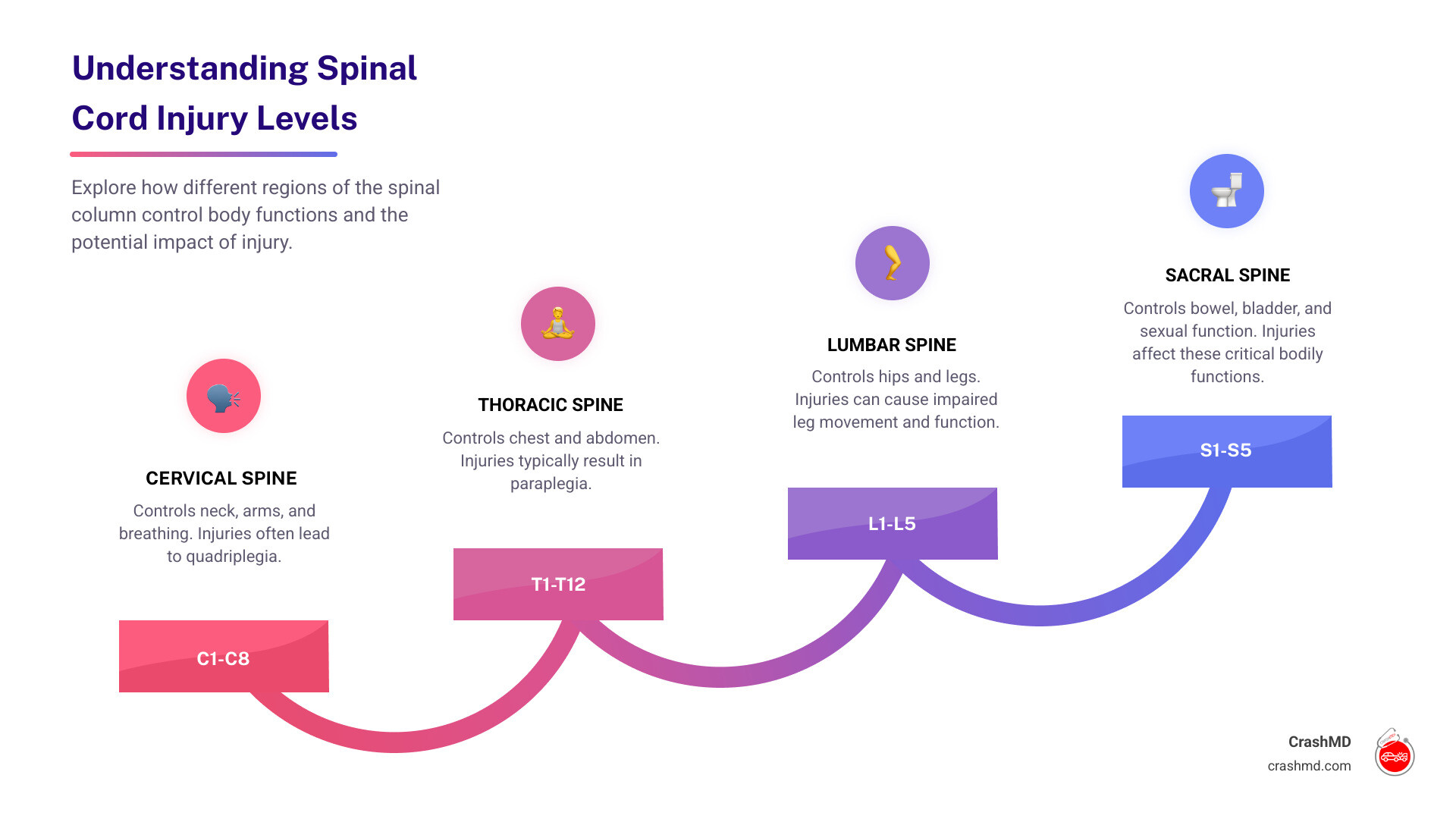
A spinal cord injury (SCI) is a life-altering event that disrupts the communication between the brain and the body, leading to loss of movement, sensation, and other functions. Most traumatic SCIs result from car accidents and falls. The role of a spinal cord injury specialist is to be your medical navigator, coordinating care to maximize your functional independence and quality of life.
At CrashMD, we understand the impact of an SCI. We guide your medical recovery and help with Understanding Muscle and Joint Pain After a Crash, ensuring your injuries are documented for any legal proceedings.
What is a Spinal Cord Injury (SCI) Specialist?
An SCI specialist is a physician with deep knowledge of the spinal cord. The term most often refers to:
- Physiatrists (PM&R specialists): These doctors lead the rehabilitation team, focusing on restoring function and managing long-term medical issues.
- Neurosurgeons and Orthopedic Surgeons: These surgeons perform critical operations to stabilize the spine and relieve pressure on the spinal cord, especially in the acute phase after an injury.
- Neurologists: They diagnose and monitor the neurological effects of the injury, assessing the extent of the damage.
This specialist acts as your advocate, coordinating all aspects of your care.
Conditions and Complications They Manage
An SCI specialist manages a wide range of conditions, including:
- Types of SCI: They distinguish between complete (total loss of function below the injury) and incomplete (some function is preserved) injuries. Incomplete injuries include Central Cord, Brown-Séquard, and Anterior Cord Syndromes.
- Spasticity: Involuntary muscle stiffness and spasms that can be managed with medication and therapy.
- Chronic Neuropathic Pain: Debilitating nerve pain that affects nearly half of SCI patients and requires specialized management.
- Bladder and Bowel Dysfunction: Disruption of nerve control, requiring comprehensive management programs.
- Pressure Injuries (Bedsores): A high risk due to immobility and altered sensation, requiring diligent prevention.
- Autonomic Dysreflexia: A medical emergency in high-level injuries (T6 and above) causing a dangerous spike in blood pressure.
- Psychological Complications: Specialists integrate mental health support to address depression and anxiety.
Managing these complex issues is key to recovery. Finding a dedicated Pain Doctor for Car Accident is often a crucial step.
Assembling Your Care Team: The Different Types of SCI Specialists
Recovering from a spinal cord injury requires a coordinated, interdisciplinary team. This collaborative effort is essential because SCI affects so many aspects of health and daily life. At CrashMD, we help you build a personalized treatment plan that addresses every facet of your recovery. Learn more about How Pain Management Specialists Create a Personalized Treatment Plan.
The Essential Rehabilitation Crew
Beyond your core medical doctors (physiatrists, surgeons, and neurologists), a diverse group of rehabilitation professionals forms the backbone of your recovery:

- Physical Therapists (PTs): Focus on restoring movement, strength, and mobility. The Role of Physical Therapy in Pain Management is often a key part of this process.
- Occupational Therapists (OTs): Help you adapt to daily living activities like dressing, bathing, and eating.
- Rehabilitation Nurses: Specialize in the unique needs of SCI patients, managing daily medical care and patient education.
- Psychologists/Counselors: Provide emotional support and coping strategies for the challenges of adjusting to SCI.
- Social Workers: Help you steer the healthcare system, access community resources, and address financial or vocational concerns.
The Training Path for a Spinal Cord Injury Specialist
Becoming a spinal cord injury specialist is a long and rigorous process. After medical school, these doctors complete 4-7 years of residency training in a field like Physical Medicine and Rehabilitation (PM&R), Neurosurgery, or Orthopedic Surgery. Many then pursue an additional 1-2 year fellowship to gain even deeper expertise in SCI medicine or complex spine surgery. Finally, they must pass exams to become board-certified, a mark of their high level of competency. This extensive training ensures your specialist has the skills to provide the highest level of care.
Diagnosis and Evaluation: How Specialists Understand Your Injury
A precise diagnosis is the first step in SCI recovery. In the emergency room, doctors will test your sensory function and movement. To understand the full extent of the injury, they use a standardized exam called the ASIA Impairment Scale (AIS) to classify its level and severity. You can find more resources on diagnosis and evaluation through CrashMD.
Advanced Diagnostic Tools
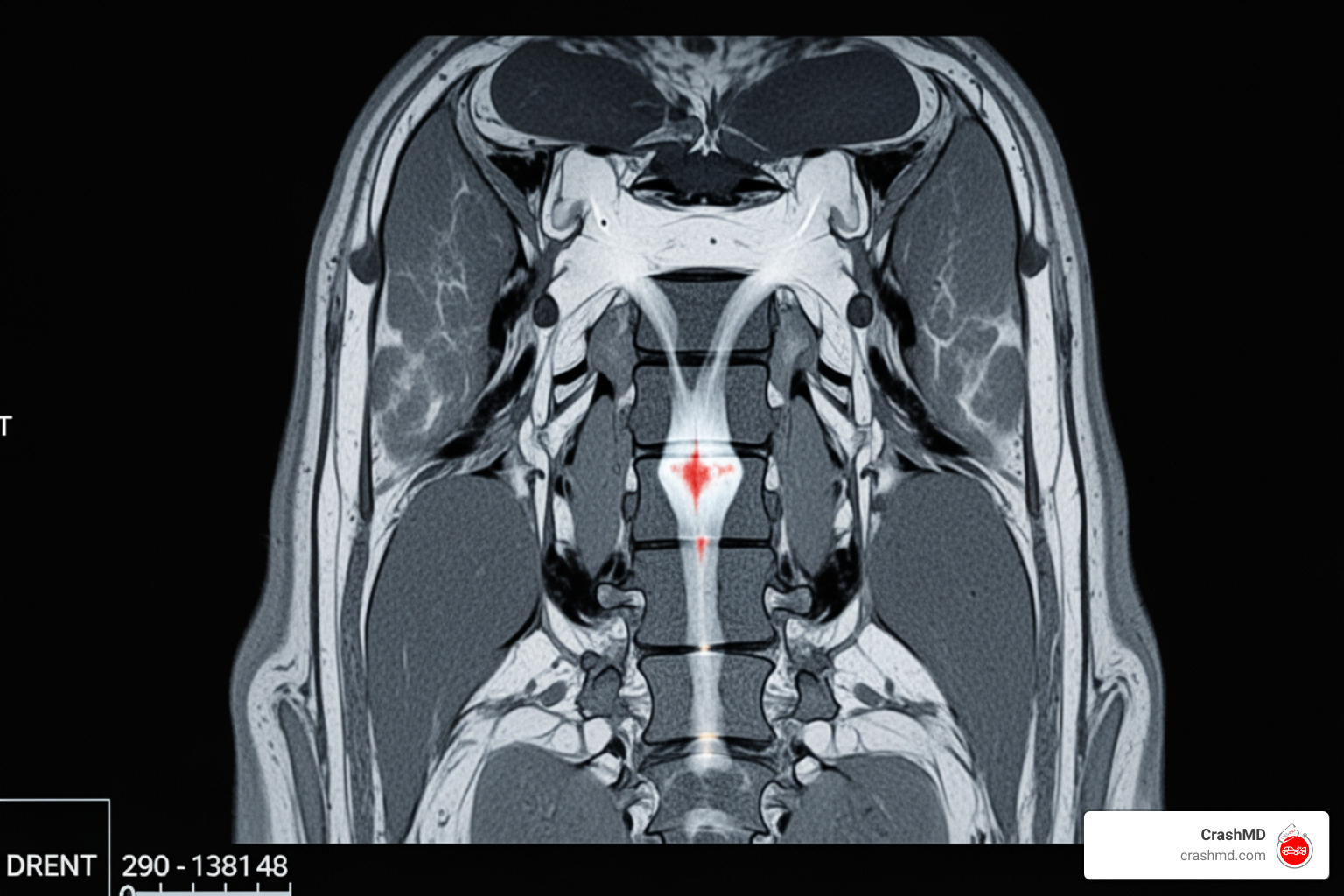
Specialists use advanced imaging to see the injury in detail:
- X-rays: Detect fractures or dislocations in the vertebrae.
- Computed Tomography (CT) Scan: Provides a rapid, high-resolution look at bone and structural damage.
- Magnetic Resonance Imaging (MRI): The best tool for visualizing the spinal cord itself, showing swelling, bleeding, and other soft tissue damage.
These tools help specialists map the injury and plan the best course of action.
Classifying Your Injury
Accurate classification is vital for your treatment plan and prognosis. A spinal cord injury specialist will classify your injury based on:
- Injury Level: Where the injury is located on the spine (cervical, thoracic, or lumbar), which affects what parts of the body are impacted.
- Completeness: Whether the injury is complete (total loss of function below the injury level) or incomplete (some function is preserved). Incomplete injuries generally have a greater potential for recovery.
- ASIA Impairment Scale (AIS): This scale grades the injury from A (complete) to E (normal).
- AIS A: Complete loss of motor and sensory function.
- AIS B: Sensory function is preserved, but not motor function.
- AIS C & D: Varying degrees of motor function are preserved.
- AIS E: Normal function.
This classification helps your specialist provide a more informed prognosis and tailor your recovery plan.
Crafting Your Recovery Plan: Treatments and Therapies
The goals after an SCI are to prevent further damage, manage complications, and maximize independence. This requires a blend of acute medical care and long-term rehabilitation, often incorporating Holistic Pain Management.
Acute and Surgical Interventions
Immediate care is critical and includes:
- Spinal Immobilization: To prevent more damage during transport to the hospital.
- Maintaining Blood Pressure: Specialists carefully manage blood pressure to ensure adequate blood flow to the injured spinal cord.
- Surgical Decompression and Stabilization: Surgery is often needed to relieve pressure on the spinal cord and stabilize the spine, ideally within 24 hours of the injury.
- Medication Management: Medications are used to manage pain, spasticity, and other symptoms.
Long-Term Rehabilitation and Management
After the acute phase, the focus shifts to long-term rehabilitation guided by your spinal cord injury specialist:
- Activity-Based Therapies: These therapies use exercises that mimic normal movement to promote neurological recovery.
- Assistive Technology: Advanced wheelchairs, computer adaptations, and voice-controlled devices can dramatically improve independence.
- Functional Electrical Stimulation (FES): FES uses electrical impulses to activate muscles, helping with movement and strength.
- Pain Management: A multimodal approach is used to treat chronic pain, which can include medication, physical therapy, and Injection Therapy for Pain.
The Future of SCI Treatment: Latest Research
The field of SCI medicine is advancing rapidly. Your spinal cord injury specialist will be aware of exciting research in:
- Emerging Therapies: Research into stem cells, nerve regeneration, and controlling inflammation offers hope for new treatments.
- Neuromodulation: Technologies like epidural and transcutaneous spinal cord stimulation use electrical impulses to alter nerve activity, which can improve motor function and reduce spasticity. These innovations are explored in Neuromodulation Explained: Innovative Solutions for Pain Relief.
How to Find the Right Spinal Cord Injury Specialist and Treatment Center
Finding the right spinal cord injury specialist and treatment center is a critical decision. You need a highly skilled team committed to your comprehensive, long-term recovery. Look for specialized spine injury centers and accredited hospitals with dedicated rehabilitation facilities.
At CrashMD, we can guide you through this process, connecting you with experienced professionals. We advocate for our patients and ensure thorough medical documentation for legal cases. Learn more about our approach at CrashMD Pain Management. Additionally, patient advocacy groups like the Christopher & Dana Reeve Foundation offer invaluable resources and support.
What to Look for in a Specialist and Center
When evaluating a specialist or center, look for:
- A Multidisciplinary Team: Ensure the center has a full team of specialists, including surgeons, physiatrists, therapists, nurses, and psychologists.
- Relevant Experience: Find a team with extensive experience treating your specific type of injury.
- Modern Technology: The best centers use state-of-the-art diagnostic, surgical, and rehabilitation technology.
- Involvement in Research: Centers engaged in research are often at the forefront of new treatments and may offer access to clinical trials.
- A Patient-Centered Philosophy: Your specialist should prioritize open communication and involve you in all decisions about your care.
Questions to Ask Your Potential Spinal Cord Injury Specialist
To make an informed decision, ask your potential specialist:
- “What is your experience with injuries like mine?”
- “What does the rehabilitation process look like here?”
- “How do you support patients and their families?”
- “What new technologies or research are you involved with?”
- “How does your team coordinate care?”
- “What long-term complications should I be aware of?”
- “Can you connect me with patient support groups?”
Asking these questions will help you feel confident in your choice. When Choosing a Pain Doctor, you want someone who truly understands your needs.
Frequently Asked Questions about Spinal Cord Injury Care
Navigating a spinal cord injury comes with many questions. Here are answers to some common concerns.
What is the prognosis for recovery after an SCI?
The prognosis for recovery varies greatly depending on the injury’s level and severity.
- Severity Matters: Incomplete injuries generally have a better prognosis for recovery than complete injuries.
- Time is Critical: The fastest recovery typically occurs in the first six months, though improvements can continue for years.
- Rehabilitation is Key: While a full recovery isn’t always possible, intensive rehabilitation is crucial for maximizing independence and quality of life.
How is chronic pain managed after a spinal cord injury?
Chronic pain is a common challenge after SCI. Effective management requires a multimodal approach, including:
- Medications: To manage nerve pain and muscle spasticity.
- Therapies: Physical therapy, injections, and advanced techniques like neuromodulation can provide relief.
- Psychological Support: Counseling and cognitive-behavioral therapy help patients cope with the emotional toll of chronic pain.
At CrashMD, we explore all options, including Pain Management Without Opioids: Alternative Treatments, to create a personalized plan.
What is autonomic dysreflexia and why is it a medical emergency?
Autonomic dysreflexia (AD) is a life-threatening condition that can occur in injuries at or above the T6 level. It’s an overreaction of the nervous system to a stimulus below the injury level (like a full bladder), causing a sudden, dangerous spike in blood pressure.
Symptoms include a pounding headache, sweating, and high blood pressure. It is a medical emergency that can lead to stroke or seizure. Immediate treatment involves sitting the patient upright and removing the trigger. Your spinal cord injury specialist will teach you how to recognize and manage AD.
Conclusion
Navigating life after a spinal cord injury is an immense challenge, but you don’t have to face it alone. As we’ve explored, a spinal cord injury specialist is not just a doctor; they are the quarterback of your recovery team, guiding you through every phase from acute care to long-term rehabilitation. Their role encompasses diagnosing complex conditions, coordinating multidisciplinary care, managing a myriad of complications, and leveraging the latest advancements in research and technology to maximize your function and improve your quality of life.
The importance of a specialized, interdisciplinary team cannot be overstated. From neurosurgeons stabilizing your spine to physical therapists helping you regain movement, and from psychologists supporting your mental well-being to social workers connecting you with vital resources, every member plays a crucial role. With their expertise, coupled with your resilience, there is always hope for progress and a fulfilling life.
At CrashMD, we are committed to empowering accident victims by connecting them with the right medical specialists and ensuring meticulous injury documentation for legal cases. We believe that proactive, comprehensive care is the foundation for both physical recovery and peace of mind. If you’ve been in an accident, finding the right medical team is the most critical first step. Connect with a network of experienced motor vehicle accident doctors to start your recovery journey.