

Understanding Your Path to Recovery After a Car Accident
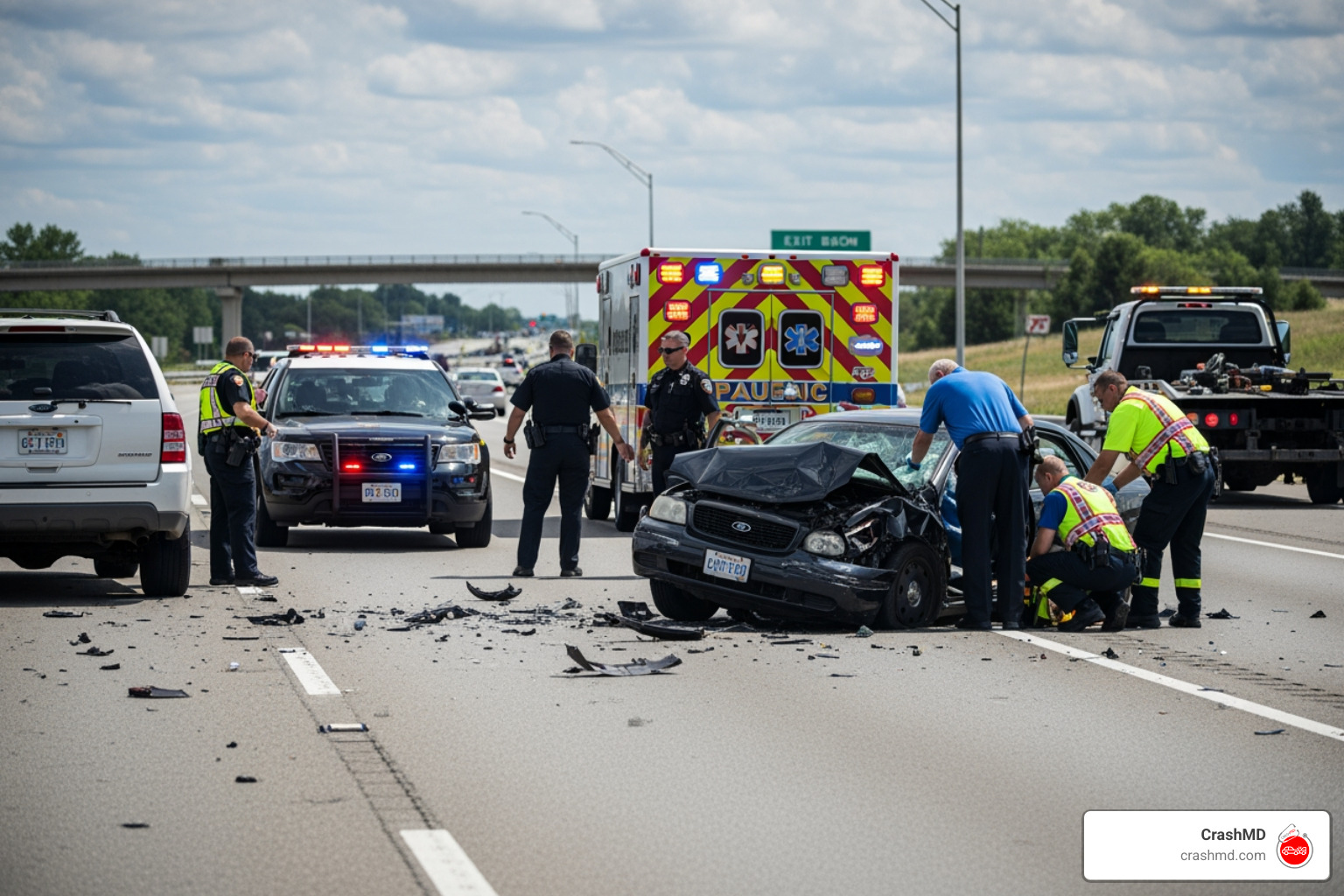
Car accident medical treatment is the comprehensive care you need after a collision, ranging from immediate emergency response to long-term rehabilitation. Here’s what you need to know right now:
Immediate Steps for Car Accident Medical Treatment:
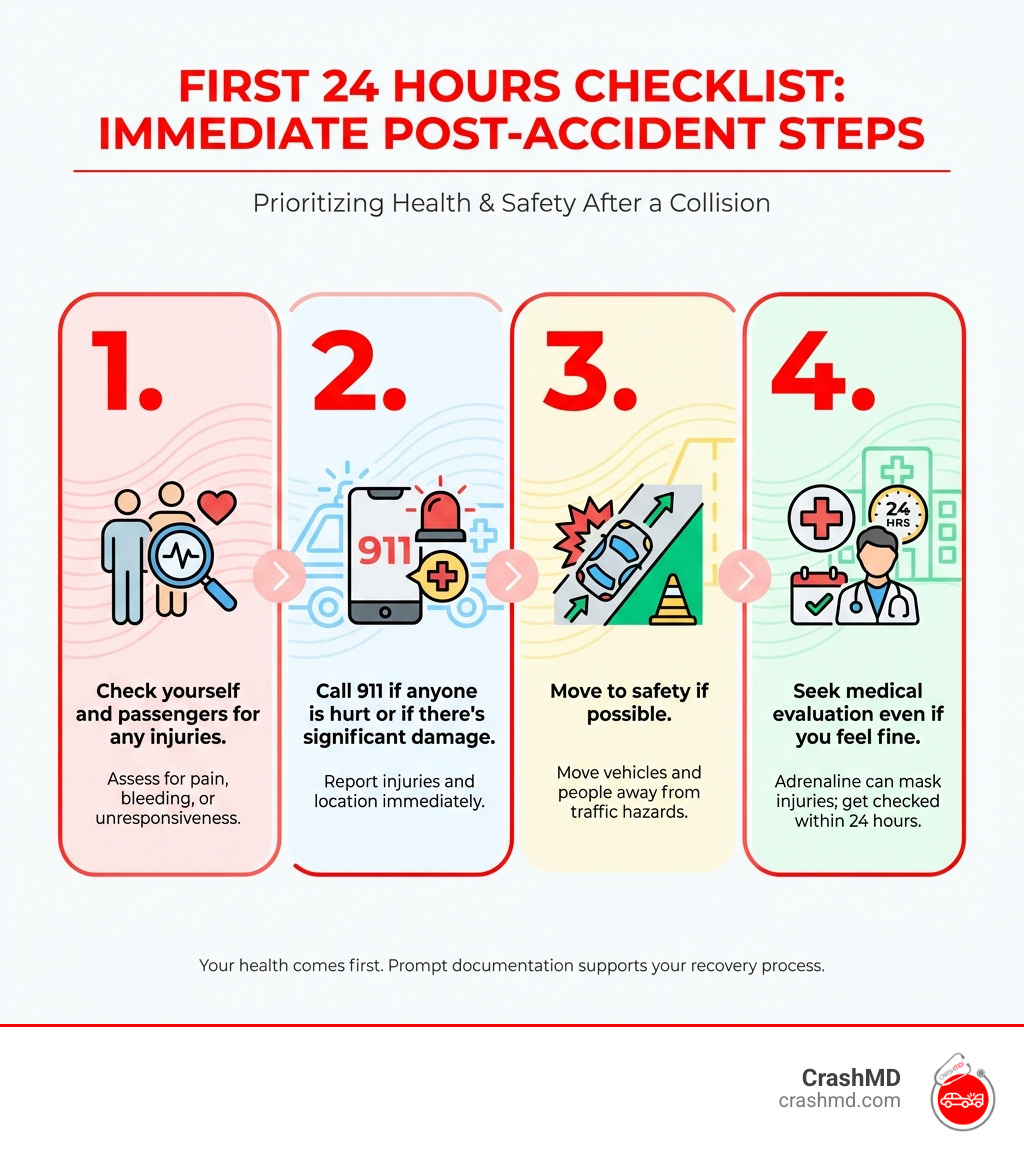
- Call 911 – Emergency responders can assess injuries at the scene
- Seek medical evaluation within 24 hours – Even if you feel fine, some injuries don’t show symptoms immediately
- Visit an ER or urgent care – Get a professional examination and baseline documentation
- Follow all treatment recommendations – Complete every therapy session and follow-up appointment
- Document everything – Keep records of all medical visits, bills, and symptoms
In the United States, injury is the leading cause of death for people aged 1-44 years. Every year, approximately 30 million injuries require emergency department visits, with over 5 million transported by Emergency Medical Services.
The moments after a crash are overwhelming. Your heart races. Your mind spins. You might feel okay – adrenaline can mask serious injuries for hours or even days.
But here’s what matters most: your health comes first.
This guide walks you through the essential medical steps after a car accident. You’ll learn what injuries to watch for, why documentation protects both your health and your legal rights, and how to steer the complex world of insurance coverage and treatment options.
Whether you’re dealing with whiplash, a concussion, or more serious trauma, understanding the medical treatment process helps you recover faster and protect your future.
First Steps: Seeking Immediate Medical Attention After a Crash

The first priority after a car accident is always safety and medical attention. Even if you feel fine, it’s crucial to understand that your body’s natural response to trauma can mask significant injuries.
Our first recommendation is to always call 911. Emergency responders, including paramedics, can assess injuries at the scene. They are trained to identify immediate life threats and can initiate crucial car accident medical treatment. For instance, they use systematic approaches like the A, B, C, D, E mnemonic (Airway, Breathing, Circulation, Disability, Exposure) to rapidly assess and stabilize trauma patients, ensuring that immediate life-threatening issues are addressed first.
Deciding between an Emergency Room (ER) and an urgent care center depends on the perceived severity of your injuries. If you suspect broken bones, head trauma, severe pain, or any life-threatening conditions, the ER is the appropriate choice. ERs are equipped for major trauma, where specialized staffing and protocols are in place for critically injured patients. According to the Merck Manual, hemorrhagic shock and brain injury are the leading causes of short-term trauma deaths, highlighting the importance of immediate, comprehensive care for severe injuries. Urgent care centers can handle more minor injuries, but if there’s any doubt, head to the ER.
One of the sneakiest aspects of car accidents is how adrenaline can mask pain. In the immediate aftermath, your body releases stress hormones that can temporarily numb pain, making you believe you’re uninjured. This is why many serious injuries, like whiplash, concussions, or internal bruising, might not present symptoms until hours or even days later. We’ve seen countless patients who initially “walked it off” only to find themselves in severe pain and facing more complex car accident medical treatment later. Never “walk it off” after an accident. What seems minor could be a serious underlying issue.
For a deeper dive into how medical professionals approach trauma, including initial assessment and stabilization, you can consult Scientific research on trauma assessment.
Why Seeing a Doctor is Crucial, Even for Minor Accidents
Even if you feel a little sore but otherwise okay, seeing a doctor promptly is incredibly important. Here’s why:
- Latent Injuries: As we mentioned, many injuries don’t show up immediately. Whiplash, for example, can take days to manifest with neck pain and stiffness. A mild traumatic brain injury (TBI) might initially present as just a headache or confusion. Early medical evaluation can detect these latent injuries before they worsen and become more difficult to treat.
- Establishing a Medical Baseline: A doctor’s visit immediately after the accident creates an official record of your physical condition. This “medical baseline” is critical. It objectively documents any injuries sustained and links them directly to the car accident. Without this initial documentation, it can be challenging to prove that your injuries were caused by the collision, which can impact both your long-term health and any potential legal claims.
- Protecting Your Long-Term Health: Untreated injuries can lead to chronic pain, reduced mobility, and other long-term health complications. Prompt diagnosis and car accident medical treatment increase your chances of a full recovery and prevent minor issues from becoming debilitating problems down the road.
- Protecting Your Legal Rights: In the unfortunate event that you need to pursue a personal injury claim, comprehensive medical documentation from the outset is invaluable. It provides objective evidence of your injuries, the necessity of your treatment, and the impact the accident has had on your life.
What to Tell the Doctor After Your Accident
When you see a healthcare provider after a car accident, being thorough and honest about your experience is paramount. This information helps your doctor provide the best car accident medical treatment and creates vital records.
Here’s what to share:
- Accident Details: Briefly explain how the accident happened. Describe the type of collision (e.g., rear-end, side-impact), the speed involved, and the forces you felt. Did you hit your head? Were you wearing a seatbelt? Did the airbags deploy? These details help the doctor understand the potential impact on your body.
- Every Symptom (No Matter How Small): Don’t hold back, even if a symptom seems insignificant or embarrassing. Headaches, dizziness, numbness, tingling, blurred vision, difficulty concentrating, mood changes, or even a slight ache in your shoulder—report it all. What seems minor to you could be a key indicator of a more serious injury to a medical professional.
- Pain Levels and Locations: Clearly describe where you feel pain and rate its intensity on a scale of 1 to 10. Be specific about the type of pain (e.g., sharp, dull, throbbing) and if it radiates to other parts of your body.
- Pre-Existing Conditions: Inform your doctor about any pre-existing medical conditions, past injuries, or chronic pain you had before the accident. This context helps them differentiate new injuries from old ones and tailor your car accident medical treatment accordingly. It’s also important for legal purposes, as insurance companies often try to attribute new injuries to pre-existing conditions.
Common Injuries from Car Accidents and Their Treatments
Car accidents, even seemingly minor ones, can lead to a wide range of injuries. Recognizing these common injuries and understanding their typical car accident medical treatment is key to your recovery. Our primary goals for treatment are always pain relief and functional recovery, helping you return to your pre-accident health.
Some common injuries resulting from motor vehicle accidents include whiplash and soft tissue injuries; cuts, bruises, and contusions; fractures and broken bones; concussions or traumatic brain injuries; and spinal cord injuries. Emotional harm, such as post-traumatic stress disorder (PTSD) or depression, may also be experienced.
Whiplash and Soft Tissue Injuries
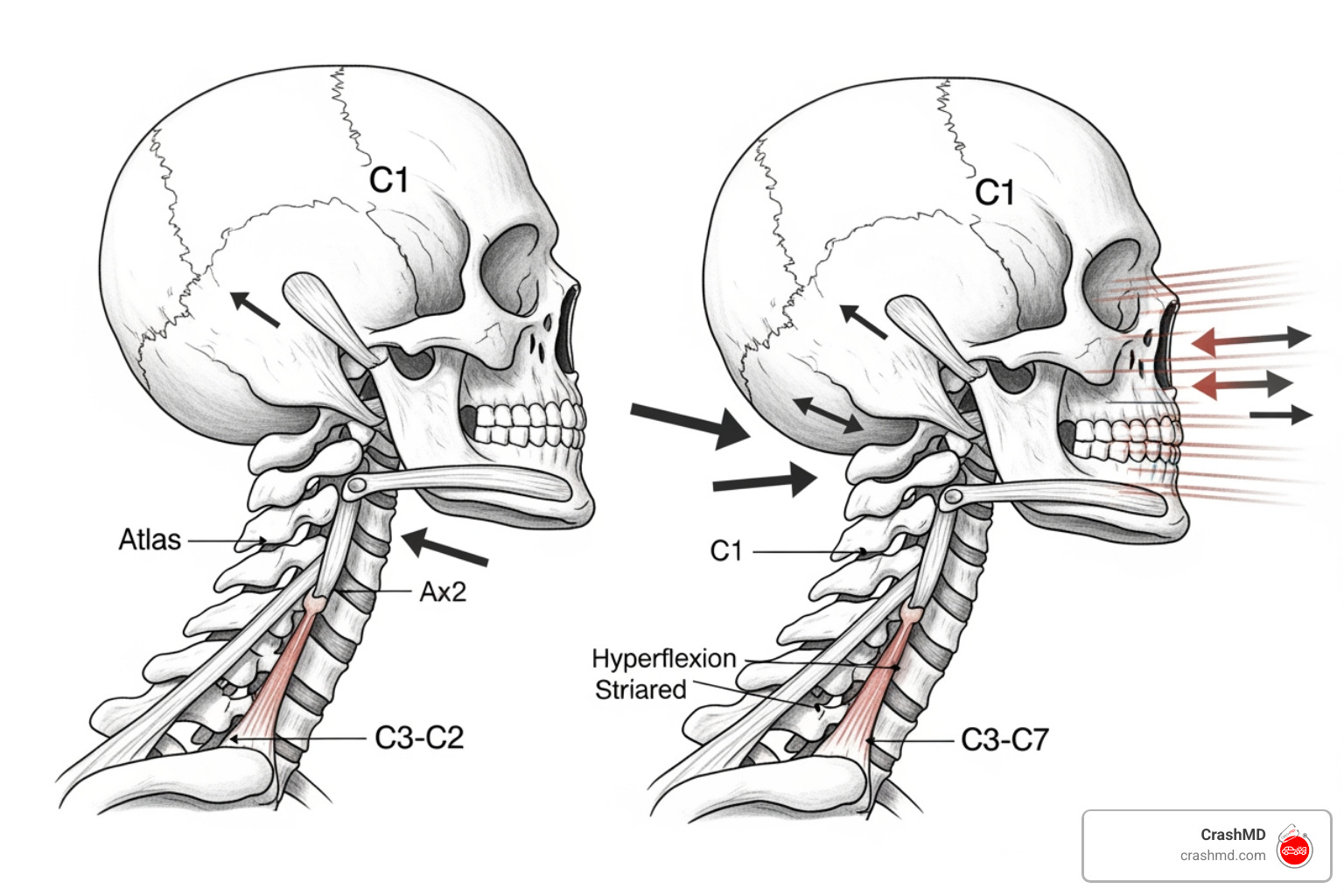
Whiplash is one of the most common injuries associated with car accident cases. It occurs when your head is suddenly jolted forward and backward (or side-to-side), straining the muscles, ligaments, and tendons in your neck.
- Symptoms: Neck pain, stiffness, headaches (often starting at the base of the skull), dizziness, blurred vision, fatigue, and difficulty concentrating.
- Treatment: Typically involves a combination of rest, applying ice or heat, physical therapy to restore range of motion and strengthen muscles, and medication (over-the-counter pain relievers, muscle relaxants, or anti-inflammatories).
Concussions and Traumatic Brain Injuries (TBI)
Head trauma is another serious consequence of car accidents that often leads to significant long-term medical complications. Traumatic brain injury (TBI) is the most common form of head trauma caused by a crash. These injuries range from mild concussions to severe brain damage.
- Symptoms: Confusion, memory loss, dizziness, headaches, nausea, sensitivity to light or sound, fatigue, and changes in mood or sleep patterns.
- Treatment: Brain rest is crucial, especially for concussions. This means limiting physical and mental activity. Neurological evaluation, imaging (CT or MRI), and specialized therapies (e.g., cognitive rehabilitation, vestibular therapy) are often part of the car accident medical treatment. For guidance on managing major trauma, which often includes severe TBIs, you can refer to Guidance on managing major trauma.
Back and Spinal Cord Injuries
Damage to the spinal cord is a possible and often devastating consequence of car accidents. This type of injury can cause permanent paralysis and loss of sensation due to damaged nerve pathways in the spine.
- Types: Herniated discs, spinal fractures, and direct spinal cord damage (which can lead to partial or complete paralysis).
- Treatment: Diagnosis often involves advanced imaging like MRI or CT scans. Car accident medical treatment can range from physical therapy and pain management to specialist consultations (orthopedists, neurologists) and, in severe cases, surgery. Long-term rehabilitation is often necessary to maximize recovery and manage chronic conditions.
The Psychological Impact of a Car Accident
Beyond the physical wounds, car accidents can leave lasting emotional scars. Emotional harm such as post-traumatic stress disorder (PTSD) or depression may be experienced following a car accident.
- Symptoms: Flashbacks, nightmares, anxiety, fear of driving, irritability, sleep disturbances, depression, and social withdrawal.
- Seeking Mental Health Support: It’s vital to acknowledge and address the psychological impact. Therapy (e.g., cognitive-behavioral therapy), counseling, and sometimes medication can be part of a comprehensive car accident medical treatment plan. We understand the connection between physical and emotional recovery; true healing encompasses both.
The Critical Role of Documentation in Your Car Accident Medical Treatment
When you’ve been in a car accident, every piece of paper, every doctor’s note, and every bill becomes part of a crucial narrative. This documentation is not just for your medical care; it’s essential for any potential legal or insurance claims related to your car accident medical treatment.
Medical records serve as legal proof. They objectively connect your injuries to the accident, detailing the diagnosis, severity, and the ongoing impact on your life. This comprehensive record is vital for justifying the amount of any settlement you might receive. Without thorough documentation, it becomes difficult to establish the full extent of your damages, potentially leaving you with unpaid medical bills or inadequate compensation.
For more information on how specialized medical professionals can support your claim, you can explore resources like More info about motor vehicle accident doctors. Our team at CrashMD understands the importance of meticulous documentation, ensuring your injuries are properly recorded to support your recovery and your rights.
How a Healthcare Provider Supports Your Personal Injury Claim
Your healthcare provider plays an indispensable role beyond just delivering car accident medical treatment. They are also key to supporting any personal injury claim you may have.
- Objective Medical Evidence: Doctors provide objective medical evidence through their examinations, diagnostic tests, and treatment plans. This evidence confirms the nature and extent of your injuries.
- Detailed Reports: Your medical records will include detailed reports outlining your diagnosis, the progression of your recovery, and your prognosis (the likely course of your condition). These reports can explain how your injuries affect your daily life and work.
- Expert Testimony: In some cases, your doctor may be asked to provide expert testimony or a medical narrative report, explaining the medical aspects of your injuries and their long-term implications. This can be crucial in complex cases.
Essential Documents to Keep for Your Car accident medical treatment
Keeping an organized record of everything related to your car accident medical treatment is one of the best ways to protect your health and your claim.
Here’s a list of essential documents we recommend you keep:
- Doctor’s Notes: Every visit, every consultation, every specialist referral. These notes detail your symptoms, the doctor’s findings, and the treatment prescribed.
- Diagnostic Test Results: X-rays, MRI scans, CT scans, blood tests, and any other diagnostic imaging or lab results. These provide objective evidence of your injuries.
- Prescription Receipts: Keep receipts for all medications prescribed due to the accident.
- Bills from All Providers: This includes emergency room bills, hospital stays, specialist visits, physical therapy, chiropractic care, and any other medical services.
- A Personal Injury Journal: This is a powerful tool for tracking your symptoms, pain levels, limitations, and how the injuries impact your daily life, mood, and ability to perform routine tasks. Note down dates, times, and specific examples.
Paying for Care: Insurance, Benefits, and Ongoing Rehabilitation
Navigating the financial side of car accident medical treatment can be as overwhelming as the physical recovery itself. Understanding your insurance coverage and benefits is crucial to ensure you receive the care you need without undue financial stress.
How Accident Benefits and Insurance Cover Your Car accident medical treatment
In the states where we operate, including Arizona, Nevada, Texas, Oklahoma, and California, there are several avenues for covering your car accident medical treatment costs:
- Medical Payments (MedPay) / Personal Injury Protection (PIP): These are often optional coverages on your own auto insurance policy, designed to pay for your medical expenses regardless of who was at fault for the accident. The specifics vary by state, but they can cover doctor visits, hospital stays, and other treatments up to a certain limit.
- Health Insurance: Your personal health insurance (HMO, PPO, etc.) can also cover your medical bills. However, they may seek reimbursement from any settlement you receive from the at-fault driver’s insurance later on (this is called subrogation).
- At-Fault Party’s Liability Insurance: If the other driver was at fault, their bodily injury liability insurance should cover your medical expenses. However, this typically comes into play after fault has been established, and may involve negotiations.
- Understanding Deductibles and Co-Pays: Regardless of the type of insurance, you may still be responsible for deductibles and co-pays, just as with any other medical care. Keep track of these expenses, as they may be recoverable in a personal injury claim.
What If I Need Long-Term Rehabilitation?
Many car accident injuries, especially those affecting the back, neck, or brain, require more than just acute medical care. You might need ongoing medical treatment or rehabilitation after an accident to regain full function and manage chronic pain.
- Physical Therapy: Essential for restoring strength, flexibility, and range of motion.
- Chiropractic Care: Can help with spinal alignment and pain management, particularly for whiplash and back injuries.
- Pain Management Specialists: For persistent or severe pain, these specialists can offer advanced treatments like injections, nerve blocks, or medication management.
- Occupational Therapy: Helps you adapt to injuries and relearn daily activities, ensuring you can return to work or hobbies.
The goal of long-term rehabilitation is to restore your function and quality of life as much as possible, allowing you to return to your normal activities.
Getting Reimbursed for Out-of-Pocket Expenses
Beyond medical bills, car accidents often incur various out-of-pocket expenses. We understand you can seek reimbursement for these.
- Keeping Detailed Receipts: Every penny spent related to your accident should be documented. This includes prescription costs, over-the-counter medications, medical devices (e.g., braces, crutches), and even parking fees for appointments.
- Mileage to Appointments: Keep a log of your mileage to and from all medical appointments. This can add up and is a legitimate expense.
- Lost Wages: If your injuries prevent you from working, document all lost income.
- Submitting Expenses to Your Lawyer or Insurer: Your lawyer can help you compile these expenses as part of your claim. If you don’t have legal representation, you would submit them directly to the relevant insurance company.
To learn more about how specialized doctors can help document your injuries and support your claim for reimbursement, visit Learn how specialized doctors can help your claim.
Frequently Asked Questions about Post-Accident Medical Care
We often hear similar questions from car accident victims. Here are some of the most common, and our answers:
How long after a car accident can I claim an injury?
The timeframe for claiming an injury after a car accident is governed by what’s known as the “statute of limitations,” which varies significantly by state. For example, in Arizona, Nevada, Texas, Oklahoma, and California, these deadlines can range from one to three years for personal injury claims. However, it’s crucial to understand that while you might have a few years to file a lawsuit, you should never delay seeking car accident medical treatment. The longer you wait, the harder it becomes to prove that your injuries were directly caused by the accident, which can severely impact your ability to claim compensation. Medical documentation from day one is vital to establish a clear link between the accident and your injuries.
What if I can’t afford medical treatment after an accident?
It’s a common concern, but lack of funds should never prevent you from getting the car accident medical treatment you need. Several options can help:
- MedPay/PIP Coverage: As mentioned, if you have Medical Payments (MedPay) or Personal Injury Protection (PIP) on your own auto insurance policy, these benefits can cover your medical bills regardless of fault.
- Medical Liens: Some healthcare providers are willing to treat patients on a “medical lien” basis. This means they agree to defer payment until your personal injury case is settled. This option is particularly helpful if you don’t have health insurance or if your MedPay/PIP limits are exhausted. For example, in Nevada, if you can’t afford treatment, some providers work on liens to ensure you get care.
- Health Insurance: Your regular health insurance can cover costs, though they may seek reimbursement from any settlement you receive.
The most important thing is not to delay care due to cost. Your health is paramount, and delaying treatment can worsen your injuries and complicate any future claims.
Does my doctor’s diagnosis directly affect my settlement amount?
Yes, absolutely. Your doctor’s diagnosis is the cornerstone of your personal injury claim and directly affects your settlement amount. Here’s why:
- Establishes Injury Severity: The diagnosis clearly defines the nature and severity of your injuries (e.g., a concussion versus a mild headache, a herniated disc versus muscle strain). A more severe injury, objectively diagnosed, typically warrants higher compensation for pain, suffering, and medical expenses.
- Prognosis Determines Future Medical Needs: Your doctor’s prognosis indicates the likely course of your recovery, including whether you’ll need ongoing car accident medical treatment, rehabilitation, or long-term care. This helps quantify future medical expenses and potential future pain and suffering.
- Objective Evidence: Insurance adjusters and courts rely on objective medical evidence. A clear, well-documented diagnosis from a qualified physician, supported by diagnostic tests and consistent treatment records, provides irrefutable proof of your injuries and their connection to the accident. Without this, your claim may be significantly undervalued or even denied.
Conclusion
The aftermath of a car accident can be a confusing and challenging time, but your health is paramount. We cannot stress enough the importance of seeking immediate car accident medical treatment, diligently following your prescribed treatment plan, and carefully documenting every step of your journey. These actions are not only vital for your physical and emotional recovery but also for protecting your rights and ensuring you receive fair compensation for your injuries.
At CrashMD, we specialize in guiding patients through this complex process. Our expertise lies in ensuring that your injuries are properly diagnosed, effectively treated, and comprehensively documented. We understand the nuances of post-accident medical care and its intersection with personal injury claims, making us the ideal medical partner for both your physical recovery and a successful claim.
Don’t let the stress of a car accident derail your health or your future. Take control of your recovery today.
Find a doctor who specializes in car accident injuries today