

Depression After Car Accidents: Understanding, Coping, and Healing
Life After a Car Accident
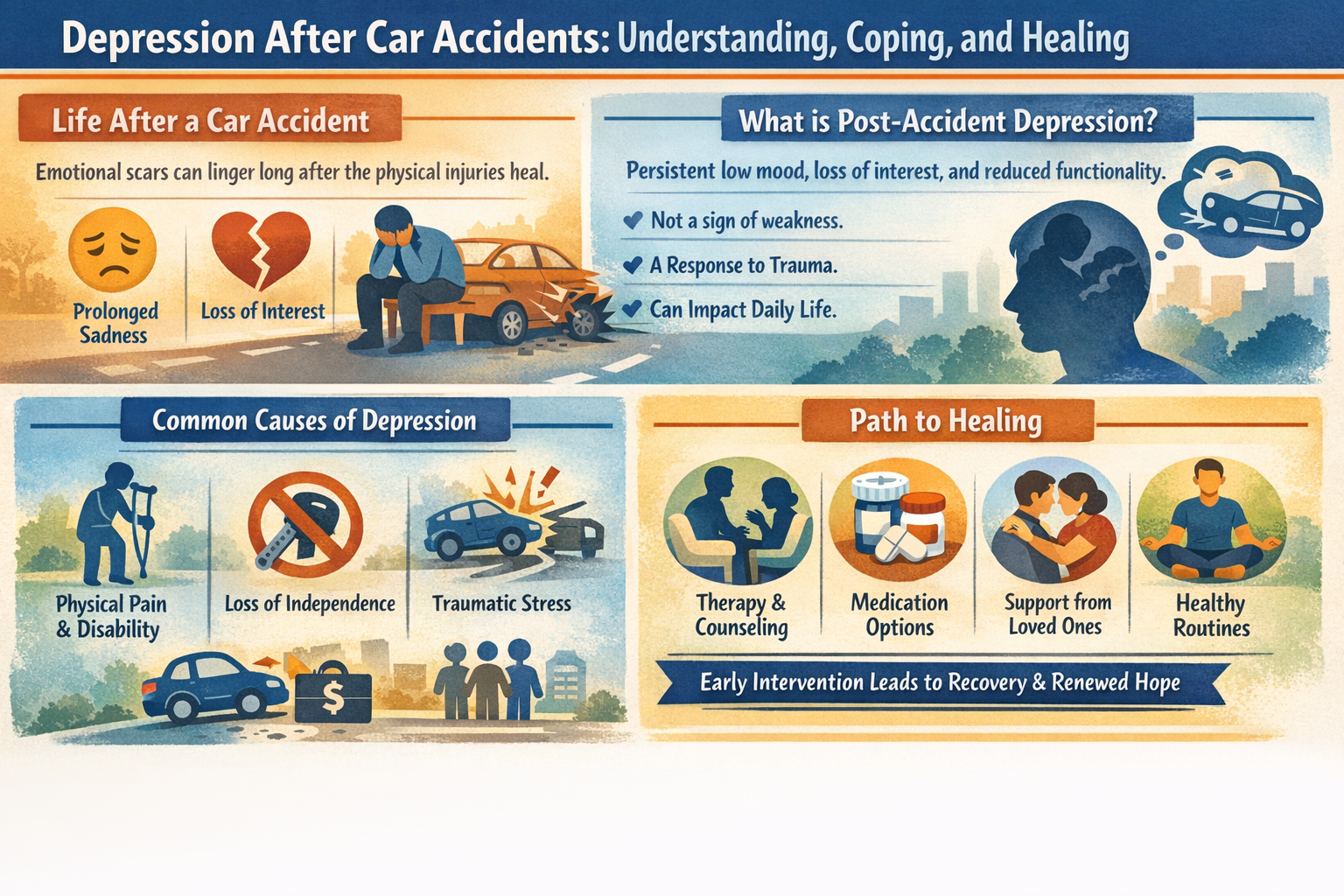
A car accident can change your life in an instant. Even when physical injuries heal, the emotional scars often remain hidden but can be just as debilitating. Many survivors find themselves experiencing prolonged sadness, hopelessness, or a loss of interest in daily life. These emotional reactions can be signs of depression, a common but often overlooked consequence of traumatic accidents.
Depression after a car accident is not a sign of weakness or failure. Depressive symptoms may occur after trauma, but clinical depression is a diagnosable mental health condition that should be evaluated when symptoms persist or impair functioning.
The sudden disruption of routine, and the challenges of recovery. For some, these feelings are mild and temporary. For others, depression can become a chronic condition that interferes with work, relationships, and quality of life.
Understanding depression after a car accident—the causes, signs, treatments, and coping strategies—is essential for survivors, families, and healthcare providers. Early recognition and intervention can help patients regain emotional stability, restore confidence, and move toward recovery.
What Is Depression After a Car Accident?
Depression is more than feeling sad for a day or two. It is a mental health condition characterized by persistent low mood, loss of interest, and reduced functioning. After a car accident, depression may develop due to physical injury, trauma, or sudden life changes.
Several factors contribute to post-accident depression:
- Physical pain or disability: Lingering pain or limited mobility can trigger frustration, hopelessness, or sadness.
- Loss of independence: Temporary or permanent changes in daily routines, driving, or work abilities can affect self-esteem.
- Traumatic stress: The shock and fear experienced during a crash can evolve into ongoing emotional distress.
- Social and occupational disruptions: Time away from work, loss of income, or decreased social interaction can intensify feelings of isolation.
While sadness after trauma is expected, depression becomes concerning when it persists for weeks or months, interferes with functioning, and affects motivation, energy, or self-worth.
Causes and Risk Factors
Depression after a car accident is influenced by a combination of psychological, social, and physical factors:
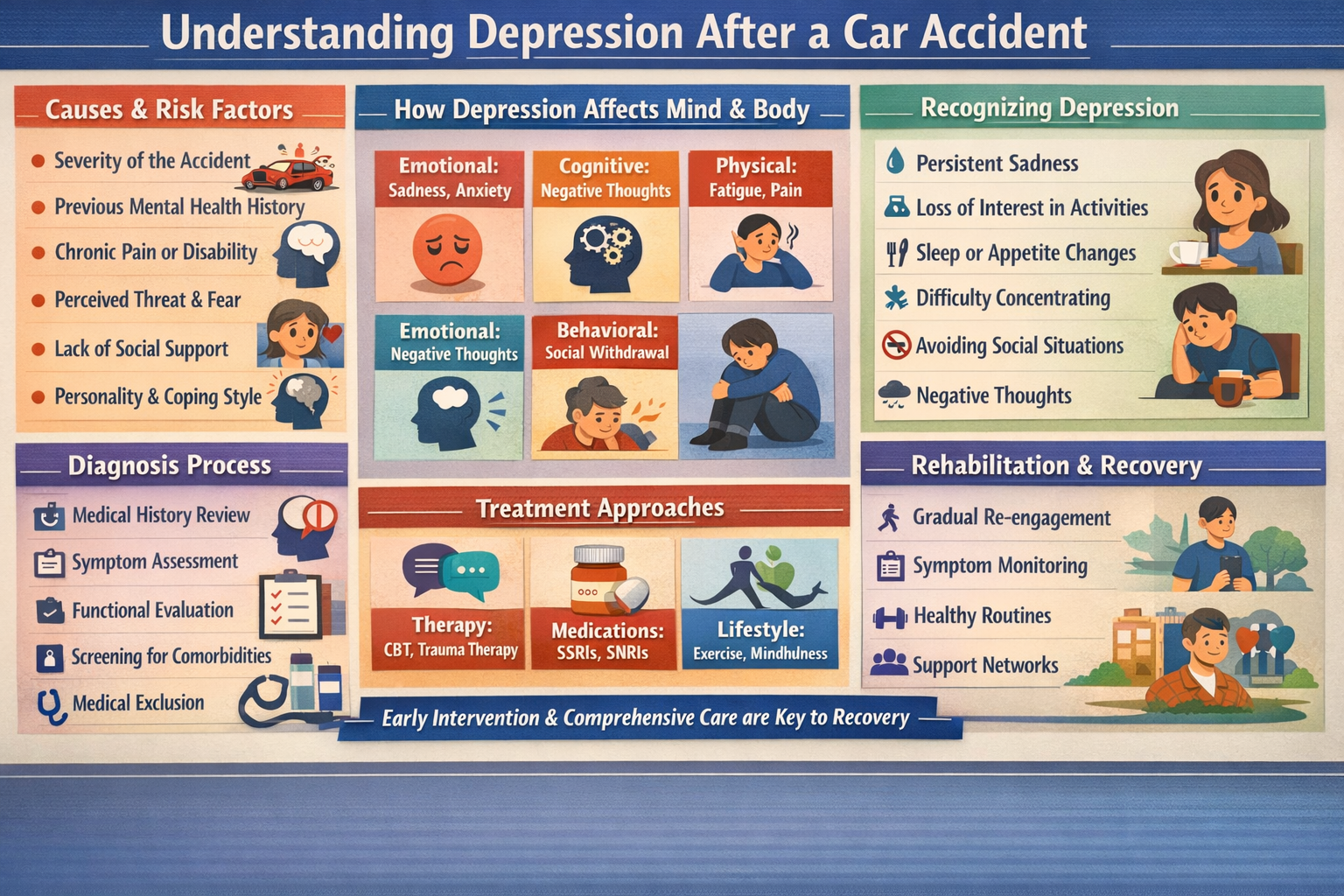
- Severity of the accident: Serious injuries, life-threatening situations, or extended hospital stays increase the risk of depression.
- Previous mental health history: Individuals with pre-existing depression, anxiety, or trauma may be more vulnerable.
- Perceived threat and fear: How a person interprets and emotionally responds to the accident affects the likelihood of depressive symptoms.
- Chronic pain or disability: Lingering physical pain, medical complications, or long-term rehabilitation challenges can reinforce negative emotions.
- Social support systems: Lack of emotional or practical support from family, friends, or community increases vulnerability.
- Personality and coping style: Those with difficulty managing stress, low resilience, or a tendency toward negative thinking may experience more severe depression.
Recognizing these factors enables healthcare providers to identify high-risk patients and intervene early, offering preventive strategies to reduce long-term emotional consequences.
How Depression Affects Mind and Body
Depression after a car accident manifests in multiple ways, often impacting emotional, cognitive, physical, and behavioral functioning.
Emotional symptoms:
- Persistent sadness, emptiness, or hopelessness
- Irritability or heightened frustration
- Emotional numbness or difficulty experiencing joy
- Anxiety, restlessness, or agitation
Cognitive symptoms:
- Difficulty concentrating or making decisions
- Negative thoughts about self, life, or the future
- Guilt or self-blame, often related to the accident
- Rumination over the accident or perceived mistakes
Physical symptoms:
- Fatigue or loss of energy
- Changes in appetite or weight
- Sleep disturbances, including insomnia or hypersomnia
- Physical aches, headaches, or gastrointestinal discomfort
Behavioral symptoms:
- Social withdrawal or avoidance of friends and family
- Reduced participation in work, hobbies, or daily routines
- Avoidance of driving or situations associated with the accident
- In severe cases, thoughts of self-harm or suicide
These overlapping symptoms demonstrate how depression after an accident affects the whole person, not just mood. Physical pain can worsen emotional distress, and emotional struggles can increase the perception of physical discomfort, creating a cycle that can be difficult to break without support.
Recognizing Depression After a Car Accident
Depression often develops gradually. Survivors may initially attribute sadness or fatigue to pain or the trauma itself, delaying recognition and treatment.
Loss of interest, sleep or appetite changes, fatigue, impaired concentration, guilt or worthlessness, and thoughts of death or suicide should also be assessed.
Signs that depression may be present include:
- Persistent sadness lasting more than two weeks
- Loss of interest or pleasure in previously enjoyable activities
- Difficulty concentrating or completing daily tasks
- Changes in sleep or appetite
- Irritability, frustration, or emotional volatility
- Avoidance of social interactions or driving
- Persistent negative thoughts or hopelessness
Recognizing these symptoms early is critical. The sooner a patient receives support, the better the chances for recovery and preventing chronic impairment.
Diagnosis of Post-Accident Depression
Healthcare providers diagnose depression after a car accident through comprehensive evaluation:
- Medical history: Review of prior mental health conditions, current physical injuries, and the accident’s circumstances.
- Symptom assessment: Use of standardized tools such as the Patient Health Questionnaire (PHQ-9) or Beck Depression Inventory (BDI).
- Functional evaluation: Assessment of how depression affects daily life, work, and relationships.
- Screening for comorbid conditions: Screening for coexisting conditions: Anxiety, PTSD, sleep disturbance, chronic pain, and substance use should be evaluated.
- Medical exclusion: Ruling out conditions like thyroid dysfunction, chronic pain syndromes, or medication side effects that may mimic depressive symptoms.
Diagnosis should also assess symptom duration, functional impairment, suicide risk, substance use, PTSD, anxiety, pain, sleep disorders, medication effects, and medical causes.
Accurate diagnosis ensures patients receive appropriate treatment and prevents misattributing symptoms solely to physical injury or normal post-trauma stress.
Treatment Approaches
Effective treatment for depression after a car accident often combines therapy, medications, and lifestyle interventions tailored to the individual’s needs:
1. Psychotherapy:
- Cognitive-behavioral therapy (CBT): Helps identify and challenge negative thought patterns, build coping strategies, and address catastrophic thinking.
- Trauma-focused therapy: Supports emotional processing of the accident, especially when combined with PTSD or anxiety symptoms.
- Interpersonal therapy (IPT): Focuses on improving relationships, social support, and communication with family or colleagues.
- Supportive counseling: Provides validation, emotional guidance, and practical problem-solving strategies.
2. Medications:
- Antidepressants: Selective serotonin reuptake inhibitors (SSRIs) or serotonin-norepinephrine reuptake inhibitors (SNRIs) reduce mood symptoms and associated anxiety. Note: Antidepressants often take several weeks to work, and treatment choice should be individualized with a clinician.
- Adjunctive medications: Adjunctive medications may be considered only when clinically indicated and should be selected by a healthcare professional, especially when sleep problems, anxiety, or pain coexist.
3. Lifestyle and self-care:
- Regular physical activity to improve mood and reduce stress
- Consistent sleep routines and healthy nutrition
- Mindfulness, meditation, and relaxation techniques
- Social support from friends, family, or support groups
- Gradual return to driving and daily routines at a safe, controlled pace
Combining these approaches often leads to the most significant improvement and long-term recovery.
Rehabilitation and Recovery
Recovery from depression after a car accident is gradual. Patients benefit from structured plans that address both emotional and physical health:
- Gradual re-engagement: Returning to work, driving, and social activities at a manageable pace.
- Symptom monitoring: Keeping track of mood, sleep, and energy levels to identify triggers or patterns.
- Collaboration with healthcare providers: Adjusting therapy, medications, or interventions as needed.
- Building resilience: Developing coping strategies, stress management skills, and emotional regulation techniques.
- Support networks: Family, friends, peer groups, or online communities provide encouragement, validation, and practical assistance.
Recovery is individualized. Some patients experience rapid improvement, while others may take months of consistent care. Patience, persistence, and ongoing support are key to successful outcomes.
Potential Complications
Untreated depression after a car accident can have serious consequences:
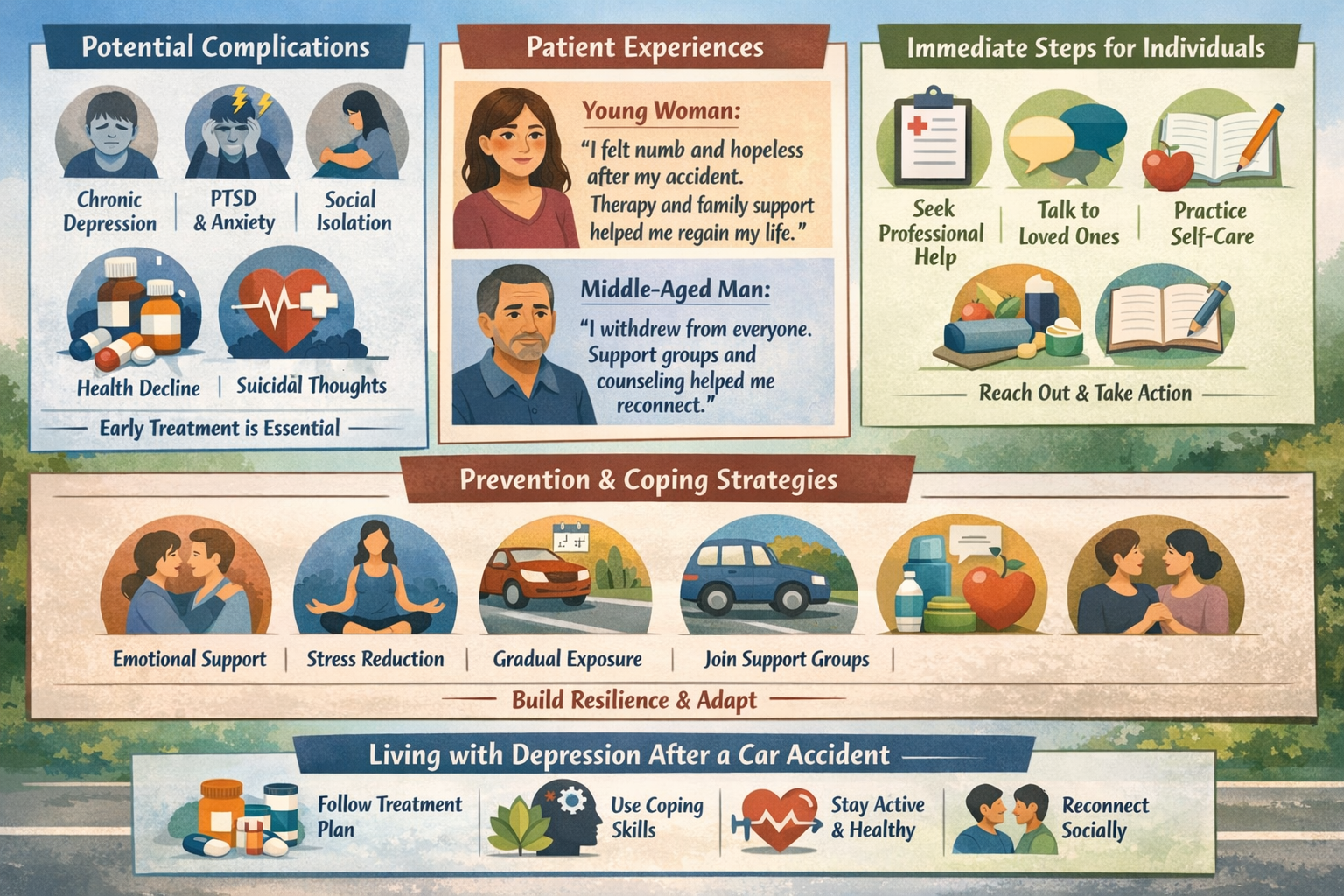
- Chronic depression or major depressive disorder
- Co-occurring anxiety, panic attacks, or PTSD
- Social isolation and strained relationships
- Occupational challenges or job loss
- Increased risk of substance misuse
- Physical health decline due to poor self-care
- Suicidal ideation or self-harm
Early recognition and treatment are essential to prevent these complications and improve long-term well-being.
Hypothetical Patient Examples
Hypothetical examples illustrate the impact of post-accident depression:
The following examples are hypothetical patient scenarios.
A young woman involved in a multi-car collision reported feeling numb and disconnected. Persistent neck pain, sleep disturbances, and avoidance of driving contributed to feelings of hopelessness. With cognitive-behavioral therapy, medication, and supportive family involvement, she gradually regained confidence, re-engaged socially, and returned to her routine activities.
A middle-aged man with minor injuries developed fatigue, irritability, and social withdrawal. Participation in trauma-focused therapy and a peer support group allowed him to process the accident, rebuild trust in his abilities, and reconnect with his social network.
These hypothetical examples underscore the importance of empathy, early intervention, and patient-centered care in recovery.
Immediate Steps for Individuals
Anyone experiencing depression after a car accident should:
- Seek professional evaluation from a healthcare provider or mental health specialist
- Openly discuss feelings and challenges with family or trusted friends
- Avoid isolation and maintain social connections
- Practice self-care routines, including sleep, nutrition, and gentle exercise
- Keep a journal of symptoms, triggers, and progress to aid in therapy
Seek urgent help immediately if there are thoughts of suicide, self harm, inability to stay safe, severe hopelessness, psychosis, or inability to care for basic needs.
Early intervention can significantly improve recovery and reduce the risk of long-term complications.
Prevention and Coping Strategies
While accidents cannot always be prevented, strategies can reduce the severity or duration of post-accident depression:
- Immediate emotional support: Receiving care and validation from family, friends, or professionals after the accident
- Education: Understanding common psychological responses to trauma
- Stress reduction techniques: Deep breathing, meditation, yoga, or mindfulness practices
- Gradual exposure to triggers: Slowly returning to driving, social interactions, and routine activities
- Social support: Engaging with support groups, peers, or counselors for encouragement and guidance
These strategies enhance resilience, emotional regulation, and adaptive coping after trauma.
Emotional and Psychological Considerations
Depression after a car accident affects the mind and body. Patients benefit from empathy, understanding, and structured support. Emotional validation helps reduce guilt, self-blame, and isolation, while professional care addresses the psychological and physical contributors to depression.
Living With Depression After a Car Accident
Recovery involves patient-centered strategies:
- Following treatment plans, including therapy and medications
- Using coping skills and relaxation techniques daily
- Gradually rebuilding confidence and independence
- Maintaining physical health through exercise, sleep, and nutrition
- Participating in supportive social networks
Patients who actively engage in recovery often regain functionality, confidence, and emotional well-being.
Long-Term Outlook
With proper care, the long-term prognosis for depression after a car accident is generally positive. Many patients improve with appropriate treatment, but recovery varies and follow up is important. Early recognition, treatment, and a holistic approach maximize recovery and help survivors regain quality of life.