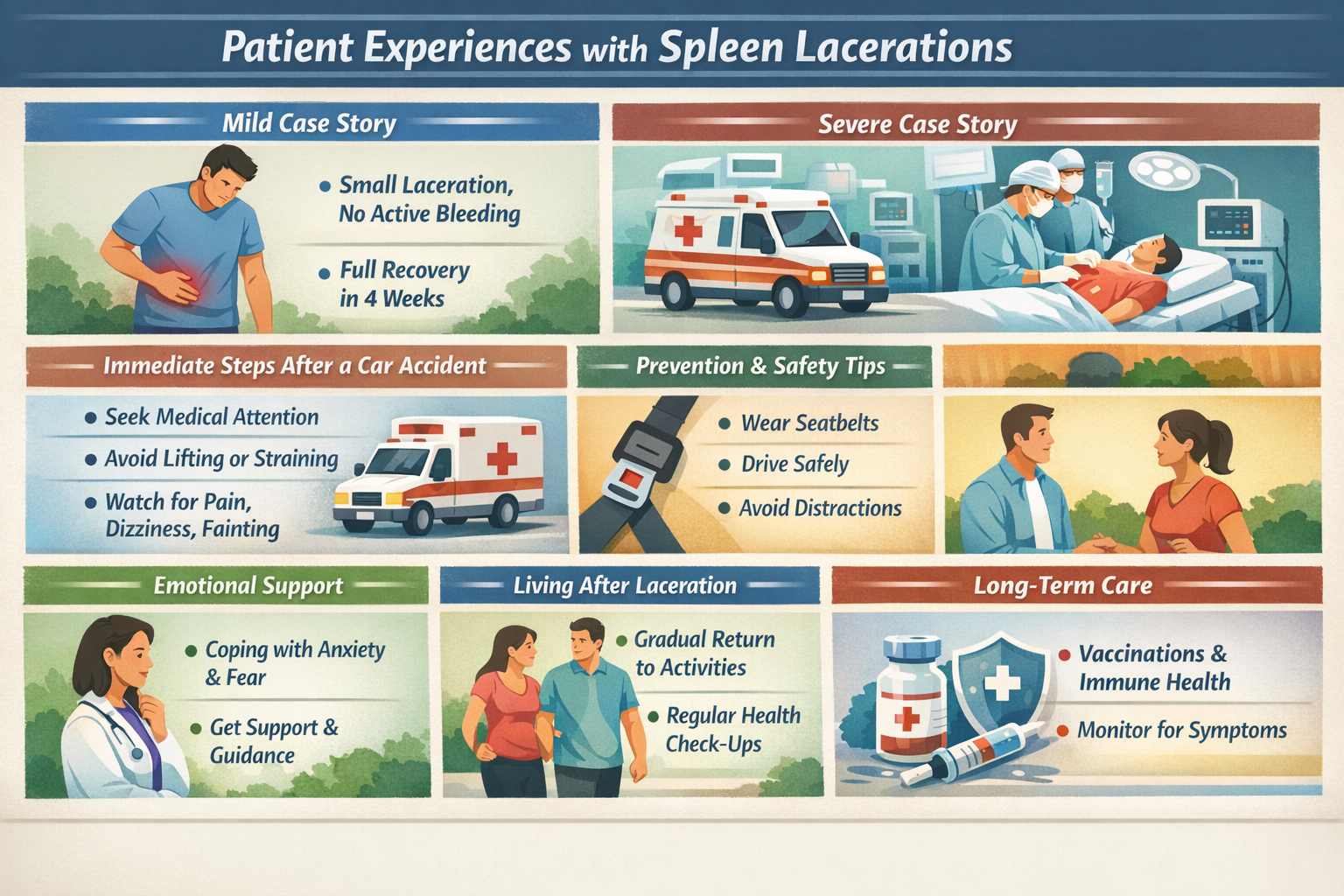
Spleen Laceration After a Car Accident: Understanding, Symptoms, and Recovery
Car accidents can be sudden and life-altering events. While visible injuries like cuts, bruises, or broken bones are often noticed immediately, some injuries remain hidden yet are equally serious. One such injury is a spleen laceration, a tear or cut in the spleen, which can lead to internal bleeding and potentially life-threatening complications if not diagnosed and treated promptly.
The spleen is a vital organ located in the upper left portion of the abdomen. It plays a crucial role in filtering blood, removing damaged red blood cells, and supporting the immune system. Because it sits just beneath the rib cage, the spleen is particularly vulnerable during blunt abdominal trauma, such as that sustained in a car collision. Even impacts that appear minor can injure the spleen, which is why recognizing the symptoms and seeking timely medical care is essential.
This article will explore what a spleen laceration is, how it occurs, its symptoms, diagnosis, treatment options, recovery, and long-term considerations.
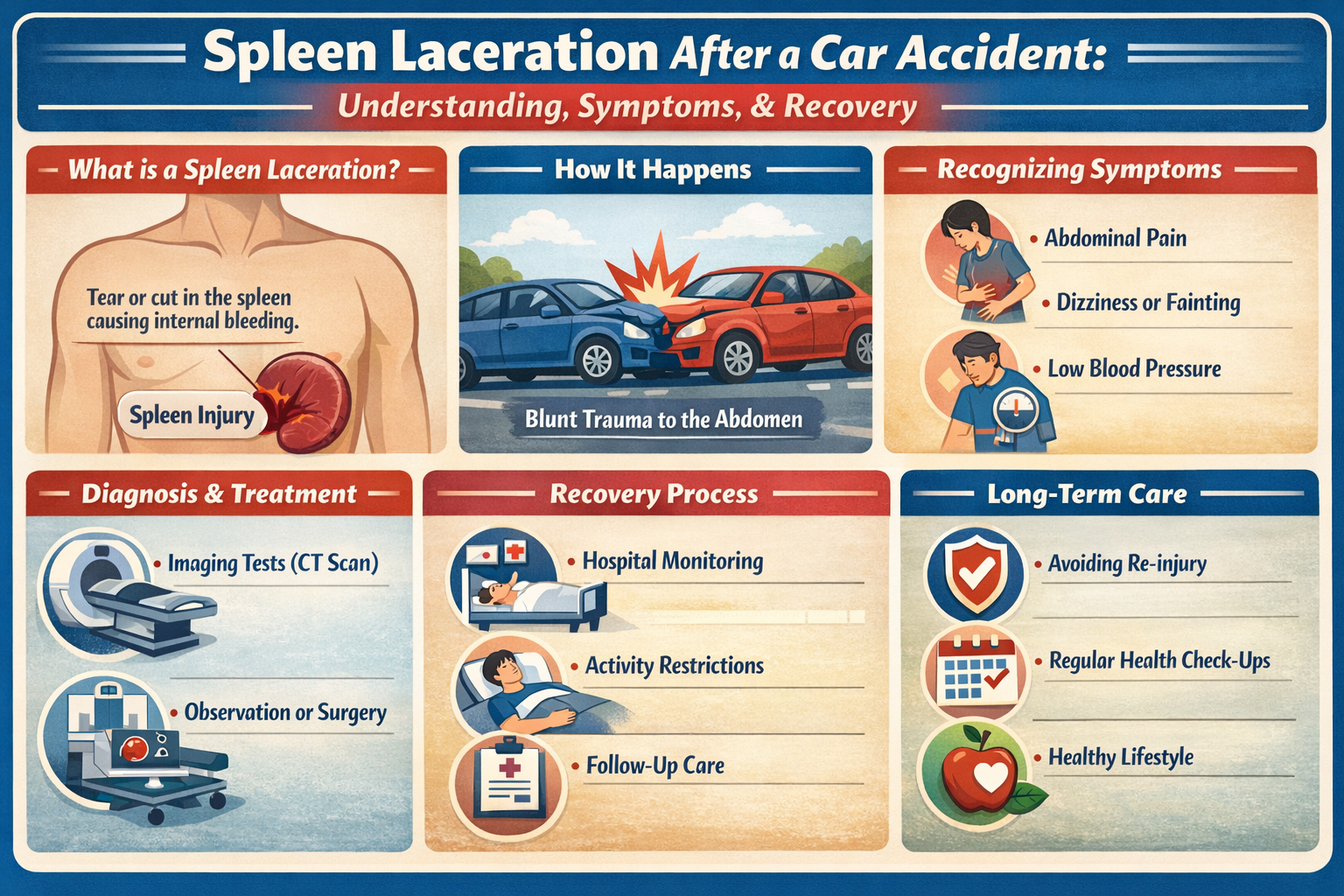
What is a Spleen Laceration?
A spleen laceration is a tear or cut in the spleen tissue. Injuries range from minor surface tears that may heal with careful monitoring to deep lacerations that damage blood vessels and cause severe internal bleeding. Because the spleen has a rich blood supply, even a small tear can result in rapid blood loss, making the injury potentially life-threatening.
Spleen lacerations are often associated with other traumatic injuries, including rib fractures, liver injuries, and abdominal organ trauma. They are particularly dangerous because internal bleeding may not be immediately apparent, and symptoms can develop gradually or mimic less serious conditions. Prompt evaluation and treatment are critical to prevent severe complications.
Causes of Spleen Laceration in Car Accidents
Spleen lacerations most commonly occur due to blunt trauma to the upper left abdomen. Common scenarios in car accidents include:
- Seatbelt impact: The force of a seatbelt during sudden deceleration can compress the spleen, causing a tear.
- Steering wheel or dashboard collision: Direct impact to the upper abdomen can injure the spleen.
- High-speed impact: Greater speed increases the likelihood of deep lacerations or associated injuries.
- Falls or secondary trauma: In some cases, being thrown within the vehicle or striking an object can transmit force to the spleen.
Even if the accident seems minor, any upper abdominal pain, tenderness, or unusual bruising after a collision should prompt medical evaluation.
How a Spleen Laceration Affects the Body
The spleen performs vital functions related to blood filtration and immune response. A laceration can disrupt these functions and result in serious complications.
Internal bleeding is the primary concern. Because the spleen is highly vascular, tears can lead to significant blood loss in a short time. This can cause hypovolemic shock, a life-threatening condition in which the body does not have enough circulating blood to maintain organ function.
Other effects may include abdominal pain or swelling, tenderness in the upper left quadrant, shoulder pain due to diaphragmatic irritation, nausea, vomiting, and lightheadedness or dizziness from blood loss. Severe bleeding can lead to rapid heart rate, low blood pressure, or fainting, highlighting the importance of immediate medical attention.
Symptoms of Spleen Laceration
Symptoms of a spleen laceration can vary based on the severity of the injury. They may appear immediately after trauma or develop over hours. Common signs include:
- Pain or tenderness in the upper left abdomen
- Swelling or a feeling of fullness in the abdomen
- Pain that radiates to the left shoulder, known as Kehr’s sign
- Nausea or vomiting
- Dizziness, fainting, or weakness
- Low blood pressure and rapid heartbeat in severe bleeding
Because these symptoms can overlap with other injuries, careful assessment by a healthcare professional is essential. Any persistent abdominal pain or unusual discomfort after a car accident should never be ignored.
Diagnosing Spleen Laceration
Diagnosis of a spleen laceration involves physical examination, imaging, and laboratory tests. Physicians will assess for tenderness, swelling, and signs of internal bleeding during the examination. Blood tests, including hemoglobin and hematocrit levels, help detect blood loss and assess overall blood health.
Imaging studies such as ultrasound, CT scan, or MRI are used to confirm the presence, location, and severity of the laceration. Continuous monitoring of vital signs is important to detect ongoing bleeding or hemodynamic instability. Prompt and accurate diagnosis is essential to guide treatment and prevent complications.
Treatment of Spleen Laceration
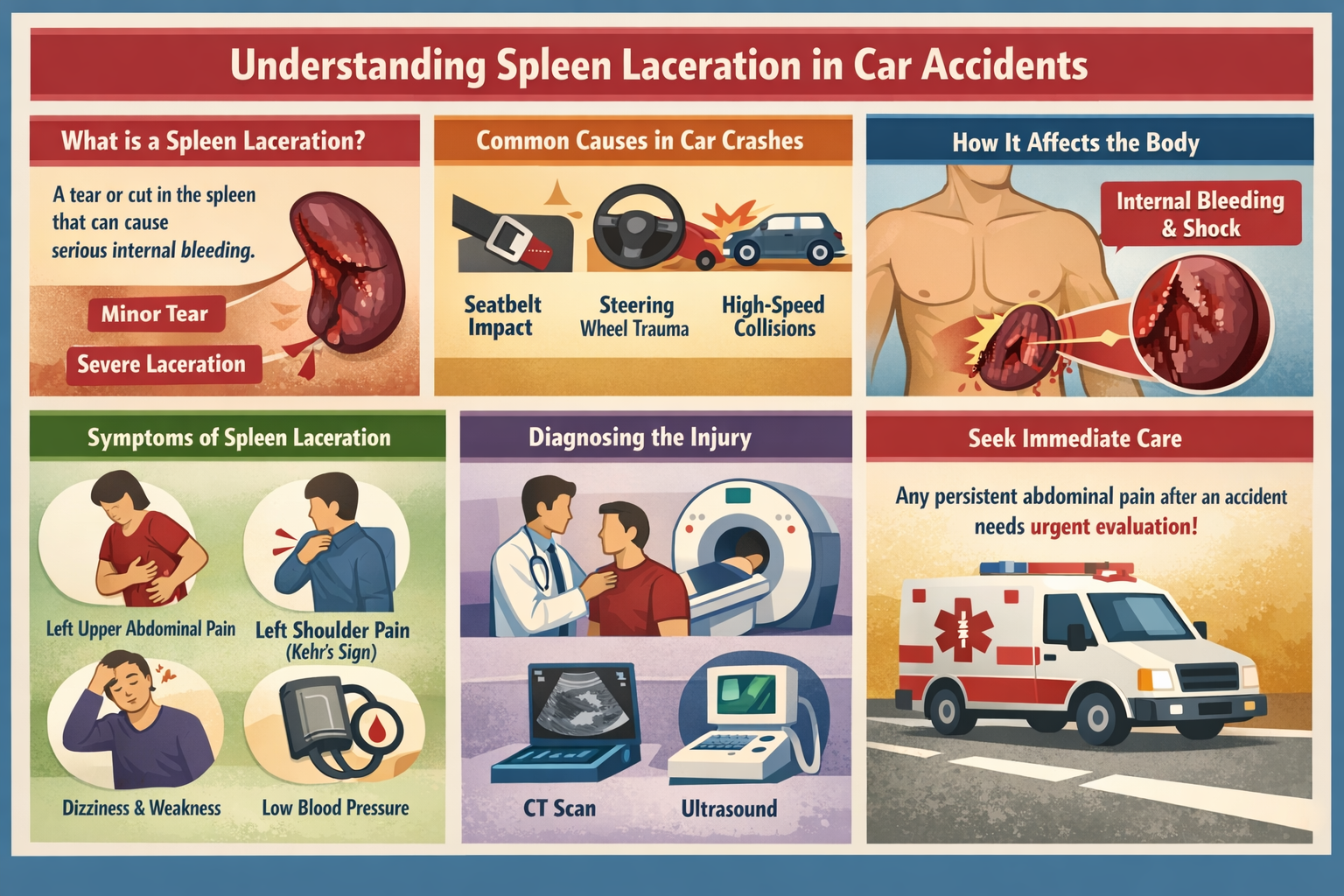
Treatment depends on the severity of the injury and whether the patient is stable.
Non-surgical management
Minor lacerations with no active bleeding may be managed conservatively. Patients are typically hospitalized for observation, with careful monitoring of vital signs, bed rest, pain management, and serial imaging to ensure the injury remains stable.
Surgical intervention
Severe lacerations, active bleeding, or unstable patients often require surgery. Options include:
- Spleen repair or partial removal: Surgery to control bleeding and preserve as much spleen function as possible
- Splenectomy: Complete removal of the spleen in cases of severe damage
- Blood transfusions and supportive care to stabilize circulation and oxygenation
Because the spleen plays a role in immune function, patients who undergo splenectomy may require vaccinations and preventive measures to reduce infection risk.
Recovery and Rehabilitation
Recovery from a spleen laceration varies depending on the severity of the injury and whether surgery was required. Minor lacerations may heal within a few weeks with rest and careful monitoring. Severe injuries or surgical cases may require months of recovery and follow-up care.
During recovery, patients should avoid heavy lifting, strenuous activity, or contact sports until cleared by a physician. A balanced diet, hydration, and adherence to follow-up appointments support healing. Monitoring for signs of infection, continued bleeding, or abdominal pain is important for long-term recovery.
Hospitalization may last from a few days to several weeks, especially if surgery or intensive monitoring is required. Gradual return to normal activity should be guided by a healthcare provider to ensure the spleen or surgical site has fully healed.
Potential Complications
Complications can occur even with proper treatment and include:
- Internal bleeding requiring additional intervention
- Infection or abscess formation
- Reduced immune function in cases of splenectomy
- Delayed healing or organ dysfunction if other injuries are present
- Chronic abdominal pain or digestive disturbances
Careful monitoring, adherence to medical instructions, and follow-up care reduce the risk of complications and support a safe recovery.
Patient Experiences
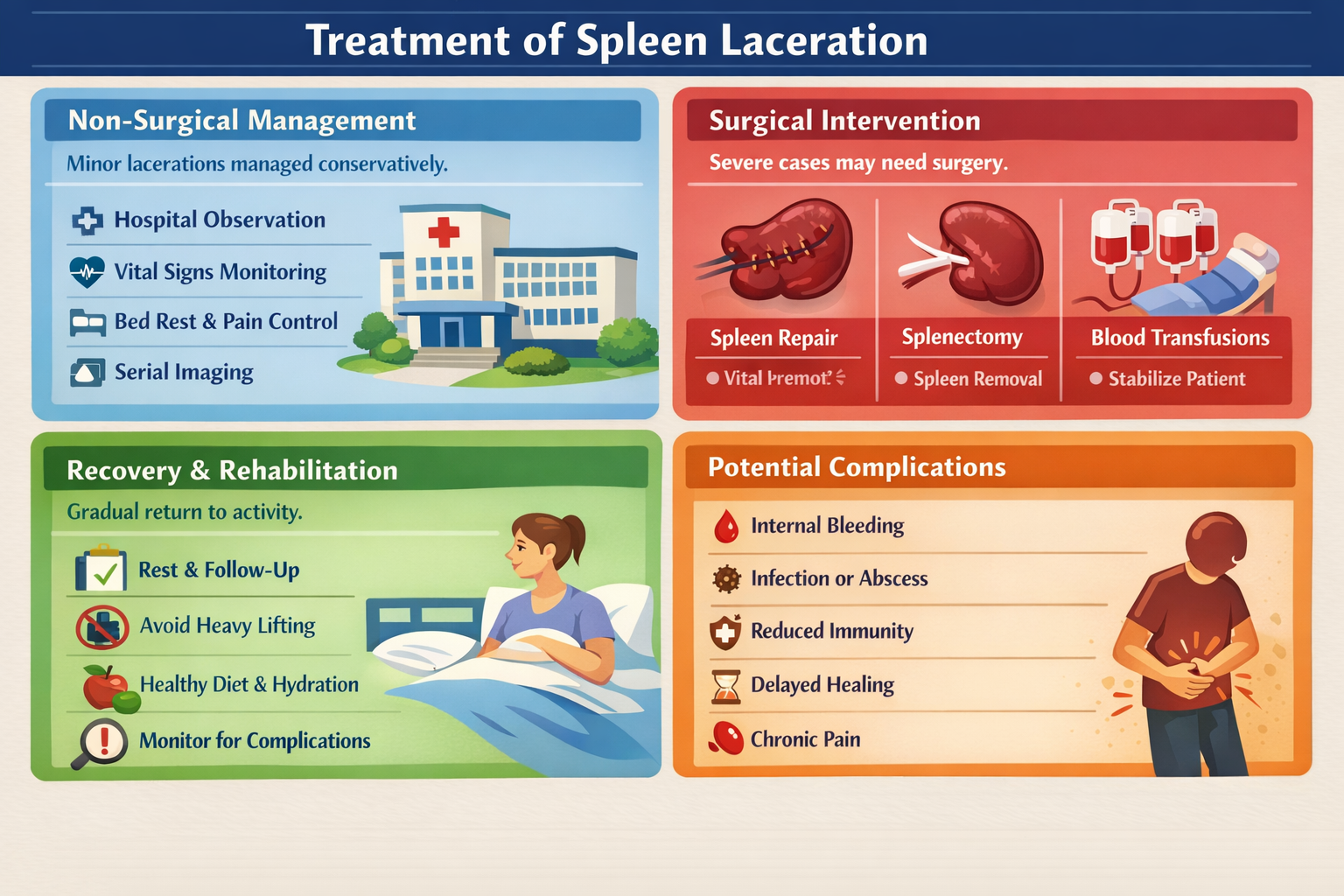
Patient stories illustrate the real-life impact of spleen lacerations. One patient experienced mild left abdominal pain after a minor car accident. Imaging revealed a small laceration without active bleeding. Observation and rest allowed the patient to fully recover within four weeks.
Another patient suffered a high-speed collision resulting in severe spleen damage and active bleeding. Emergency surgery and blood transfusions were required, followed by weeks of recovery and rehabilitation. Despite the initial severity, the patient regained full health with ongoing medical care and lifestyle adjustments.
These experiences highlight the importance of timely medical evaluation and intervention for spleen injuries, even when symptoms initially seem minor.
Immediate Steps After a Car Accident
If spleen injury is suspected after a car accident, seek emergency medical attention immediately. Avoid lifting, straining, or any activity that could worsen internal bleeding. Monitor for symptoms such as abdominal pain, dizziness, or fainting, and communicate all concerns to healthcare professionals promptly.
Prevention and Safety Measures
While car accidents cannot always be prevented, safety measures can reduce the risk of severe abdominal trauma. Proper seatbelt use, seat adjustment, safe driving practices, and avoidance of distractions or impaired driving can help minimize injury severity. Strengthening core muscles can also provide some protection during impacts.
Emotional and Psychological Considerations
Recovering from a spleen laceration can be emotionally challenging. Patients may experience anxiety, fear, or frustration during recovery, particularly if surgical intervention was required. Emotional support, clear communication with healthcare providers, and patient education can help alleviate stress and encourage active participation in recovery.
Living After a Spleen Laceration
Most patients recover fully with appropriate treatment and follow-up care. Post-recovery, patients should gradually resume activities under medical guidance, maintain regular follow-up appointments, and watch for signs of infection or abdominal discomfort. Patients who have undergone splenectomy may require vaccines and lifestyle adjustments to protect their immune system. With timely intervention, structured care, and patience, patients can return to normal life safely and confidently.