Pancreas Injury After a Car Accident: Understanding Pancreas Injury Symptoms, Treatment, and Recovery
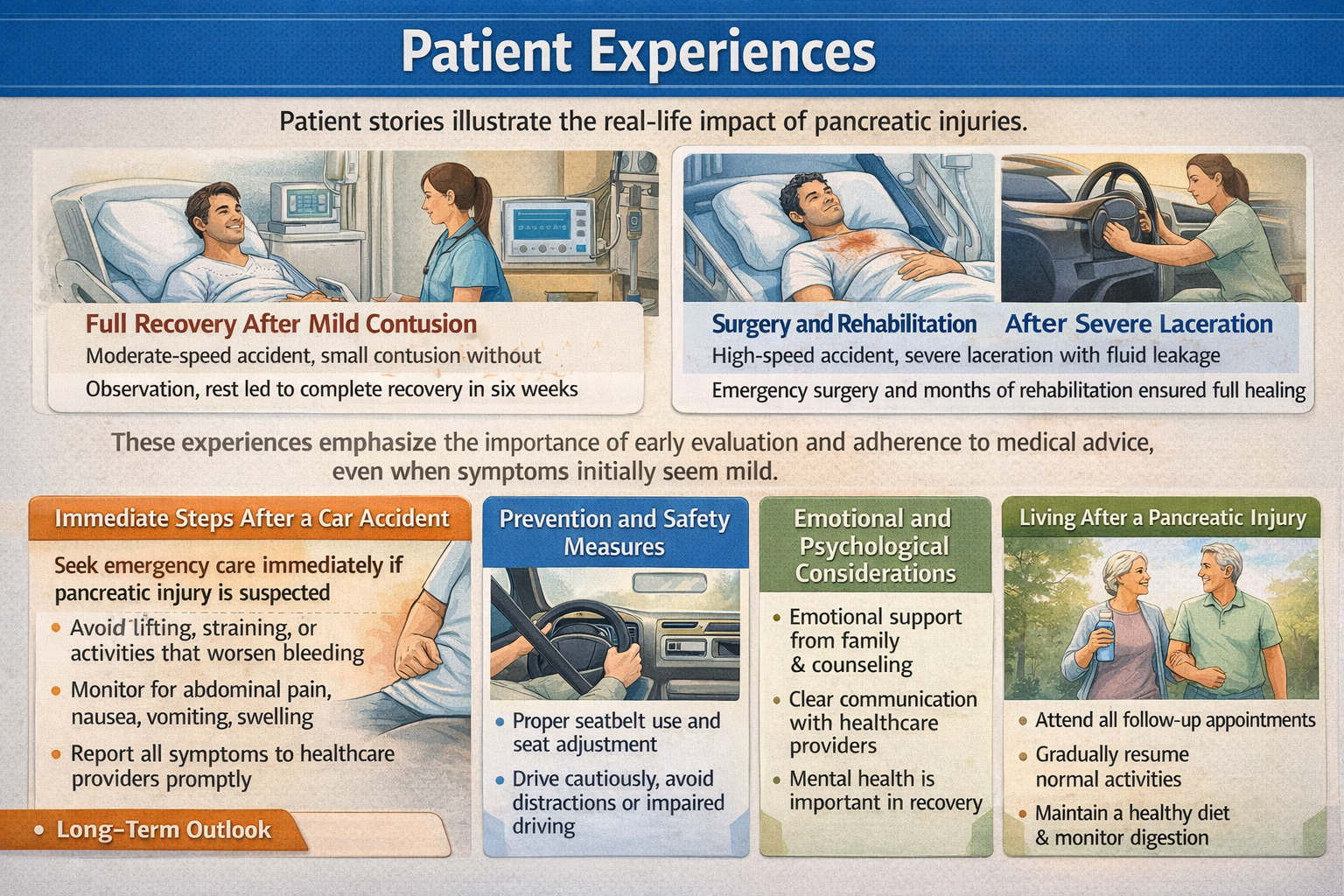
Car accidents are sudden, unpredictable, and can leave lasting physical, emotional, and even financial effects. While some injuries, like cuts, bruises, or broken bones, are immediately visible and prompt urgent care, many internal injuries are hidden yet dangerous. One such injury that often goes unnoticed is a pancreas injury, a serious internal condition that can occur when the abdomen experiences sudden, blunt force trauma. A pancreas injury is often difficult to detect early, making awareness critical after a car accident.
The pancreas is a vital organ located deep in the upper abdomen, behind the stomach. It plays a central role in both digestion and blood sugar regulation. The pancreas produces digestive enzymes that help break down food in the intestines and hormones like insulin and glucagon that maintain blood sugar levels. Because of its deep location, the pancreas is relatively protected from everyday bumps or minor falls. However, in high-impact events like car collisions, the force can injure the pancreas even when external injuries seem minimal.
Pancreatic injuries are rare but serious. Delayed recognition can lead to severe complications such as internal bleeding, pancreatitis, infection, or long-term digestive and metabolic issues. Understanding how these injuries occur, recognizing the symptoms, and knowing the steps for diagnosis and treatment are crucial for patients and families.
What Is a Pancreas Injury?
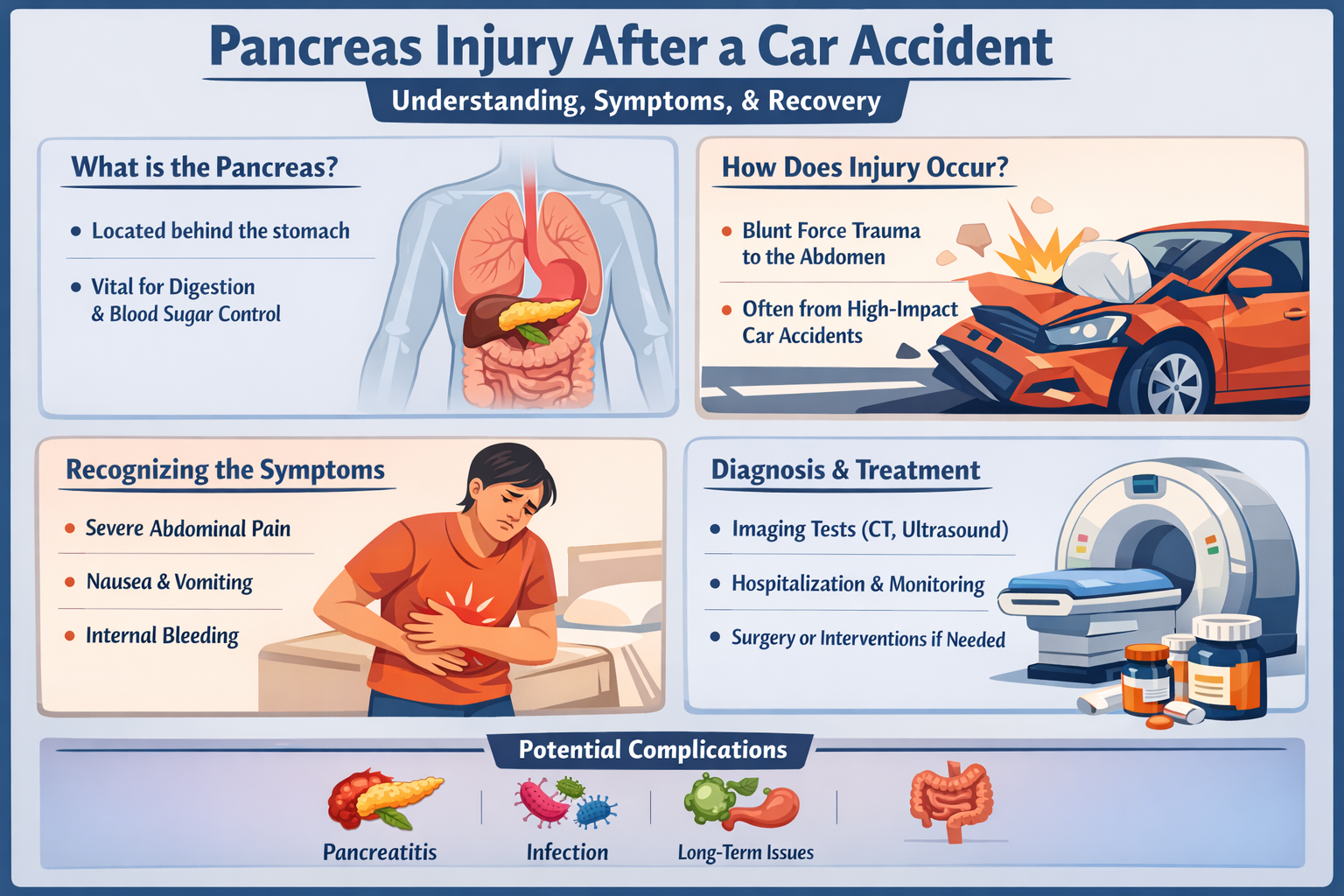
A pancreas injury is any trauma that damages the organ, whether through bruising, tearing, or rupture. The severity of a pancreas injury can range from mild to life-threatening depending on the extent of damage.
- Minor contusions are bruises to the pancreatic tissue that may heal with careful monitoring.
- Moderate injuries may involve small tears or lacerations with minor leakage of digestive enzymes.
- Severe injuries include major lacerations, ductal injury, or rupture, which can lead to leakage of pancreatic enzymes into surrounding tissues, causing inflammation, infection, and tissue damage.
Because the pancreas is critical for both digestion and metabolic regulation, injuries can affect the body in multiple ways. Complications can range from digestive problems to potentially life-threatening internal bleeding, highlighting the importance of early detection and prompt medical care.
Causes of Pancreas Injury in Car Accidents
A pancreas injury typically results from blunt trauma to the upper abdomen. Some common causes in car accidents include:
- Seatbelt compression: During sudden deceleration, the lap portion of the seatbelt can press forcefully against the upper abdomen, bruising or tearing the pancreas.
- Steering wheel or dashboard impact: Direct contact with the abdomen can transmit high force to the pancreas.
- High-speed collisions: The greater the impact, the higher the chance of severe injury and associated trauma to surrounding organs.
- Falls or secondary impact: Being thrown within the vehicle or striking interior objects can transmit enough force to injure deep-seated organs like the pancreas.
Even low-speed collisions can result in a pancreas injury, especially when force is concentrated in the abdomen. This is why anyone experiencing abdominal discomfort after a car accident should be evaluated by a healthcare professional.
How Pancreas Injuries Affect the Body
A pancreas injury can disrupt both digestion and blood sugar regulation. The pancreas is essential for both digestive and metabolic health. When injured, pancreatic enzymes may leak into surrounding tissues, causing inflammation (pancreatitis), tissue damage, or infection. Internal bleeding is another major concern, especially in severe injuries where blood vessels are damaged.
Symptoms of a pancreas injury can vary widely depending on severity and may include:
- Upper abdominal pain that radiates to the back
- Nausea or vomiting
- Swelling or tenderness in the abdomen
- General fatigue or malaise
- Signs of internal bleeding such as dizziness, rapid heart rate, or low blood pressure in severe cases
Because pancreatic injuries often occur alongside other abdominal trauma, including liver, spleen, or kidney injuries, a thorough evaluation is critical to identify all affected organs and prevent complications.
Recognizing the Symptoms
Symptoms of a pancreas injury can vary based on severity and may appear immediately after the accident or gradually over hours or days. Common signs include:
- Persistent upper abdominal pain, often worsened by movement
- Pain that radiates to the back, which is characteristic of pancreatic involvement
- Nausea, vomiting, or loss of appetite
- Swelling or tenderness in the upper abdomen
- Mild bruising on the abdominal wall
- Fever or signs of infection if complications develop
- Low blood pressure, rapid heart rate, or dizziness if internal bleeding occurs
Because these symptoms can overlap with other injuries or digestive disturbances, anyone with abdominal discomfort following a car accident should seek medical attention promptly.
Diagnosing Pancreas Injury
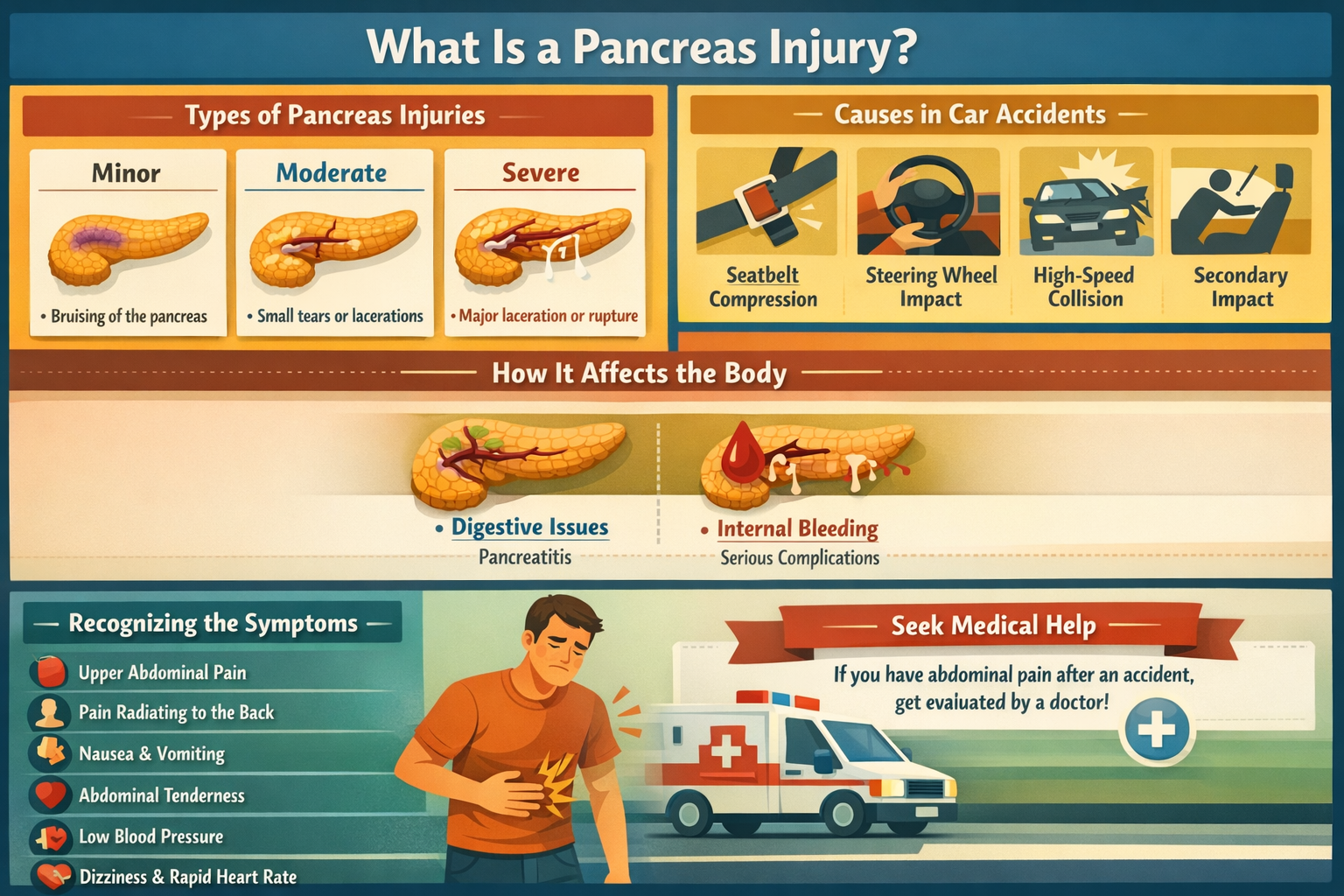
Accurate diagnosis of a pancreas injury requires a combination of physical examination, laboratory testing, and imaging studies.
- Physical examination: Doctors assess abdominal tenderness, swelling, and signs of trauma.
- Blood tests: Elevated levels of pancreatic enzymes like amylase and lipase may indicate pancreatic injury.
- Imaging studies: CT scans or MRI are often used to visualize the pancreas, identify lacerations, hematomas, or ductal injuries, and evaluate associated organ damage.
- Vital sign monitoring: Continuous assessment of blood pressure, heart rate, and oxygen levels is crucial to detect early signs of internal bleeding or shock.
Because the pancreas is located deep in the abdomen, injuries may be easily missed without careful imaging. Delayed diagnosis increases the risk of complications, making timely evaluation critical.
Treatment of Pancreas Injury
Treatment for a pancreas injury depends on severity, patient stability, and complications.
Conservative Management
Minor pancreatic contusions or small lacerations without ductal involvement may be managed non-surgically. Patients are typically hospitalized for observation, monitoring of vital signs and laboratory values, and supportive care including:
- Intravenous fluids to maintain hydration and circulation
- Pain management with medications
- Limited activity and bed rest to avoid worsening the injury
- Gradual reintroduction of diet, starting with easily digestible foods
Surgical or Interventional Treatment
Severe pancreatic injuries, ductal tears, or ongoing internal bleeding often require surgical intervention. Options include:
- Repair of pancreatic tissue to control bleeding and restore function
- Drainage of pancreatic fluid collections to prevent infection and tissue damage
- Partial resection of the pancreas in cases of irreparable damage
- Blood transfusions and intensive monitoring in cases of significant blood loss
The primary goal of treatment is to preserve as much pancreatic function as possible while preventing infection, pancreatitis, or systemic complications.
Recovery and Rehabilitation
Recovery from a pancreas injury can vary greatly. Minor contusions may heal within a few weeks, while severe injuries requiring surgery may require months for full recovery.
During recovery, patients are advised to avoid heavy lifting, contact sports, and activities that could traumatize the abdomen. Nutritional support is important; patients may initially require a low-fat, easily digestible diet to reduce stress on the pancreas. Hydration, rest, and adherence to follow-up appointments support healing and long-term health.
Hospitalization may range from a few days to several weeks depending on injury severity and treatment needs. Regular imaging and blood tests may be needed to ensure proper healing, monitor for fluid collections, and assess pancreatic function.
Potential Complications
Even with proper care, a pancreas injury can lead to complications such as:
- Internal bleeding requiring intervention
- Infection or abscess formation around the pancreas
- Pancreatitis due to leakage of digestive enzymes
- Impaired pancreatic function affecting digestion or blood sugar regulation
- Chronic abdominal pain or digestive disturbances
- Delayed healing in the presence of other abdominal injuries
Close monitoring and adherence to medical guidance reduce the risk of complications and support optimal recovery.
Patient Experiences
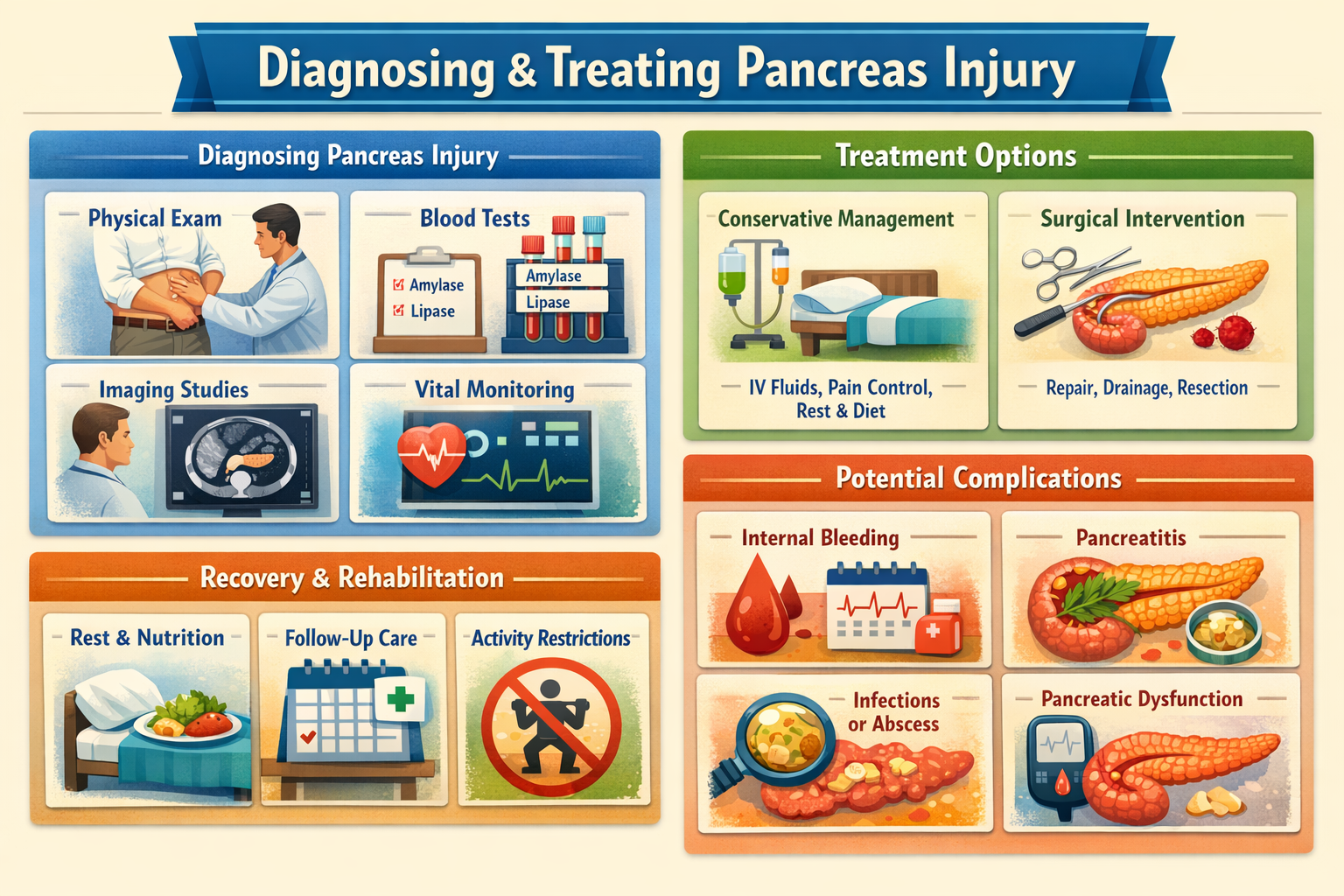
Patient stories illustrate the real-life impact of pancreatic injuries.
One patient experienced mild abdominal discomfort after a moderate-speed collision. Imaging revealed a small pancreas injury in the form of a contusion without ductal involvement. Observation, rest, and careful monitoring allowed full recovery within six weeks.
Another patient involved in a high-speed accident suffered a severe laceration with leakage of pancreatic fluid. Emergency surgery and several months of rehabilitation were required. Regular follow-up visits ensured proper healing, and the patient eventually regained normal pancreatic function and returned to daily activities.
These experiences emphasize the importance of early evaluation and adherence to medical advice, even when symptoms initially seem mild.
Immediate Steps After a Car Accident
Anyone who suspects a pancreatic injury should seek emergency medical care immediately. Avoid lifting, straining, or engaging in activities that could worsen internal bleeding. Monitor for abdominal pain, nausea, vomiting, or unusual swelling, and report all symptoms to healthcare providers promptly. Early recognition and intervention are crucial for preventing serious complications.
Prevention and Safety Measures
While car accidents cannot always be prevented, safety measures can reduce the risk of internal injuries like pancreatic trauma. Proper seatbelt use, correct seat adjustment, cautious driving, and avoiding distractions or impaired driving are essential. Strengthening core muscles can also provide some protection during sudden impacts.
Emotional and Psychological Considerations
Recovering from a pancreatic injury can be stressful. Patients may experience anxiety, fear, frustration, or uncertainty about their physical recovery. Emotional support from family, clear communication with healthcare providers, and patient education can help patients feel empowered and engaged in their recovery. Mental health is an important part of the healing process, and counseling or support groups may be beneficial for some patients.
Living After a Pancreatic Injury
Most patients recover fully with timely treatment and consistent follow-up care. After discharge, patients should gradually resume normal activities under medical supervision, maintain a healthy diet, and attend all follow-up appointments. Awareness of changes in digestion, blood sugar levels, or abdominal discomfort is essential for long-term health.
Patients who have undergone surgery or experienced severe injury may need ongoing medical monitoring, lifestyle adjustments, and nutritional guidance. With structured care, patience, and adherence to medical advice, patients can regain normal life safely and confidently.
Long-Term Outlook
The long-term outlook for pancreatic injuries depends on the severity of the initial trauma and the timeliness of treatment. Minor injuries often heal completely without lasting effects. Severe injuries may require long-term monitoring of pancreatic function, especially if surgery or ductal involvement occurred.
Patients may need periodic blood tests to monitor enzyme levels, glucose regulation, and overall digestive function. Lifestyle adjustments, including dietary modifications and avoidance of activities that could risk reinjury, support long-term wellness.
With early intervention, careful monitoring, and adherence to medical guidance, most patients can achieve a full recovery and maintain a high quality of life. A pancreas injury should never be ignored, even if symptoms seem mild at first.