

Understanding Back Pain After a Car Accident
Back pain after accident is one of the most common injuries people face following a collision. You might feel fine immediately after the crash, only to wake up the next morning barely able to move. Or you might experience sharp, radiating pain that shoots down your legs within hours of impact.
Quick Answer: What You Need to Know
- Delayed symptoms are normal – Adrenaline can mask pain for hours or even days after an accident
- Common injuries include – Soft tissue strains (10x more common than other lumbar injuries), herniated discs, and spinal fractures
- Seek medical care immediately if you experience – Numbness, tingling, weakness, or bowel/bladder changes
- Recovery timeline varies – Most back pain resolves in 2-6 weeks, but nearly one-third of people still have pain after 12 months
- Documentation matters – Getting checked by a doctor right away creates a medical record that protects your legal and insurance rights
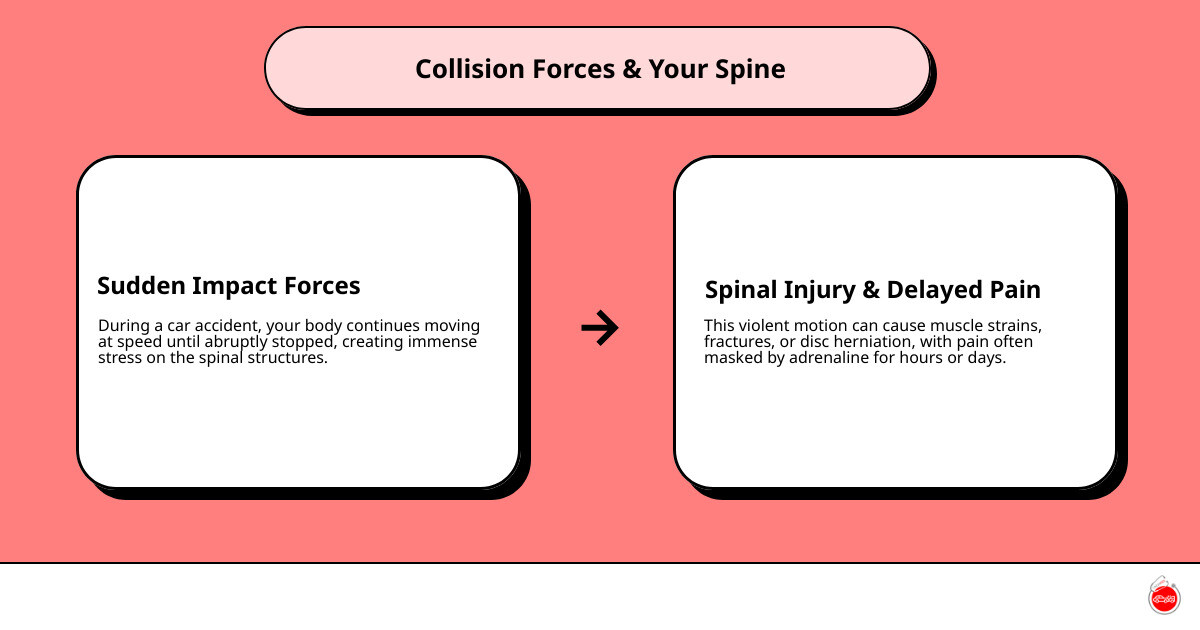
Here’s what happens during a collision: When your vehicle suddenly stops or changes direction, your body keeps moving at its original speed until something stops it – your seatbelt, airbag, or another surface. This violent motion can strain muscles, fracture vertebrae, or herniate discs in your spine. From 2016 to 2020, an average of 6.4 million motor vehicle accidents occurred on U.S. roads each year, and back injuries are among the most frequent outcomes.
The human spine wasn’t designed to withstand the extreme forces of a car crash. Your lower back (lumbar spine) is particularly vulnerable because it supports most of your body weight and allows for significant movement. Even seemingly minor accidents at low speeds can cause serious damage to the delicate structures of your back.
I’m Dr. Adam Savage, and I’ve treated thousands of accident victims dealing with back pain. The biggest mistake people make is waiting to seek treatment. Whether you’re feeling pain right now or think you’re fine, getting evaluated by a medical professional who specializes in accident injuries is crucial for both your health and any potential legal or insurance claims.
Common Causes of Back Pain After Accident
Car accidents are a jarring experience for the body, often resulting in forces that exceed the spine’s natural resilience. According to the Bureau of Transportation, an average of about 6.4 million motor vehicle accidents occurred on U.S. roads annually from 2016 to 2020. These collisions subject our bodies to immense impact forces, which, as Newton’s Laws of Motion describe, can cause our bodies to continue moving at speed until abruptly stopped. This sudden deceleration can wreak havoc on the delicate structures of the lumbar spine (lower back) and thoracic vertebrae (mid-back).
Even in what might seem like a minor fender bender, the rapid back-and-forth or side-to-side movement of your body can overstretch or compress spinal components. This can lead to a range of injuries, from muscle soreness to severe structural damage. Understanding these common causes is the first step toward effective treatment and recovery.

Identifying Soft Tissue Injuries and Back Pain After Accident
Soft tissue injuries are among the most prevalent causes of back pain after accident. These injuries involve damage to the muscles, ligaments, and tendons that support your spine. A 2023 research study found that soft tissue injuries, such as strains and sprains, are more common in the neck after a motor vehicle collision, but they can definitely be experienced in the lower back as well. In fact, these types of injuries were more than 10 times more common than any other lumbar (lower back) injury from motor vehicle collisions.
- Muscle Strains: These occur when muscle fibers are overstretched or torn. The sudden jolt of an accident can cause muscles in your back to contract violently or stretch beyond their normal limits.
- Ligament Sprains: Ligaments are tough bands of tissue that connect bones. A sprain happens when these ligaments are stretched or torn. In a car accident, the ligaments supporting your vertebrae can be severely stressed.
- Whiplash: While often associated with neck injuries, the rapid “whipping” motion of the head and torso can also affect the muscles and ligaments in your mid and lower back, leading to pain and stiffness.
- Inflammation: Following any soft tissue injury, your body’s natural healing response involves inflammation. This swelling can put pressure on nerves and cause significant pain.
The pain from soft tissue injuries might feel generalized, achy, or stiff, and it can worsen with movement. It’s crucial to have these evaluated, even if they seem minor, as untreated inflammation can lead to chronic pain. Our team, including our dedicated California car crash doctors, are experts in diagnosing and treating these nuanced injuries.
Spinal Fractures and Back Pain After Accident
While less common than soft tissue injuries, spinal fractures are a serious consequence of car accidents and a significant cause of back pain after accident. Fractures of the lumbar spine are the second most common low back injury from motor vehicle collisions. These can range from small cracks to more severe breaks that affect the stability of your spinal column.
- Compression Fractures: These occur when the front part of a vertebra collapses, often due to significant vertical force. This can happen when your body is violently thrown forward and compressed during a collision.
- Burst Fractures: A more severe type of compression fracture where the vertebra shatters in multiple directions, potentially sending bone fragments into the spinal canal and risking spinal cord injury.
- Chance Fracture: This is a specific type of fracture often seen in lap-belt injuries, where the vertebra is pulled apart. It’s a flexion-distraction injury, meaning the spine is bent forward violently while being pulled apart.
- Bone Density: Factors like osteoporosis can make individuals more susceptible to spinal fractures, even in less severe accidents.
Spinal fractures can cause localized, sharp pain that worsens with movement. They are often accompanied by muscle spasms and can sometimes lead to neurological symptoms if nerves or the spinal cord are affected. Immediate medical attention is vital for any suspected spinal fracture to prevent further damage and ensure proper healing.
Disc Injuries and Nerve Compression
The intervertebral discs act as cushions between your vertebrae, absorbing shock and allowing for spinal flexibility. Car accidents can severely impact these discs, leading to significant back pain after accident and nerve issues. Research from 2017 found that bulging disks were most likely to result from head-on collisions, while nerve pain from a herniated disk was most common after side-swipe collisions. The same study also revealed that 76.5% of people referred to a pain clinic for back pain had some sort of lumbar disk displacement.
- Bulging Discs: This occurs when the outer wall of the disc weakens and protrudes outward, potentially pressing on nearby nerves.
- Herniated Discs (Slipped or Ruptured Discs): This is more severe, happening when the soft, jelly-like inner material of the disc pushes through a tear in the outer wall. This material can directly irritate or compress spinal nerves.
- Sciatica: A common symptom of a herniated disc in the lower back, where pain, numbness, or tingling radiates down the leg along the path of the sciatic nerve.
- Nerve Impingement/Radiculopathy: When a disc injury compresses a nerve root, it can cause pain, weakness, numbness, or tingling in the area supplied by that nerve, often extending into the arms or legs.
Pain from disc injuries can be sharp, burning, or electrical, often radiating far from the injury site. It might be exacerbated by certain movements like coughing, sneezing, or sitting for long periods. Prompt diagnosis and treatment are essential to relieve nerve compression and prevent long-term damage.
Recognizing Symptoms and the Adrenaline Mask
It’s common for individuals involved in a car accident to feel surprisingly okay immediately afterward. This phenomenon is often due to the body’s incredible “fight or flight” response, which floods your system with adrenaline. This natural surge of hormones can temporarily decrease pain sensation, masking injuries that might otherwise be immediately apparent.
This means that back pain after accident symptoms might not surface until hours or even days later, once the adrenaline wears off and inflammation sets in. We often hear from patients who woke up the day after a crash experiencing severe stiffness or pain they didn’t have at the scene. This delayed onset is crucial to understand, as it underscores the importance of seeking a medical evaluation even if you feel fine right after the collision.
Common symptoms we see in our Arizona, Nevada, Texas, Oklahoma, and California clinics include:
- Muscle Spasms: Involuntary contractions of back muscles, often a protective response to injury.
- Stiffness: A feeling of reduced flexibility and range of motion in the back.
- Reduced Mobility: Difficulty bending, twisting, standing, or walking.
- Aching or Sharp Pain: Pain that can be localized or spread across a larger area.
Red Flags Requiring Immediate Care
While many forms of back pain after accident can be managed with conservative treatments, certain symptoms are red flags that warrant immediate medical attention. These indicate potential severe nerve damage or spinal cord injury. According to the American Association of Neurological Surgeons, you should seek immediate medical care if you experience any of the following:
- Pain that worsens: Especially if it’s progressive and not relieved by rest.
- Numbness or Tingling: In the arms, legs, feet, or hands.
- Weakness: In your limbs, making it difficult to lift objects, walk, or maintain balance.
- Changes in Bowel or Bladder Function: Such as difficulty urinating, loss of bladder control, or loss of bowel control. These can be signs of cauda equina syndrome, a rare but serious condition.
If you or someone you know experiences these symptoms after an accident, do not delay. Get to an emergency room or call 911 right away. Early intervention can make a significant difference in preventing permanent damage.
Physical vs. Emotional Symptoms
The impact of a car accident isn’t just physical; it can also take a significant emotional toll. The physical back pain after accident often manifests as:
- Aching Pain: A dull, constant discomfort.
- Sharp Pain: Intense, localized pain that might worsen with specific movements.
- Radiating Pain: Pain that travels from your back into your buttocks, legs, or even feet.
However, the trauma of an accident can also lead to emotional symptoms that can complicate recovery and even exacerbate physical pain. These include:
- Anxiety: Worry about recovery, finances, or future accidents.
- Sleep Disturbances: Difficulty falling or staying asleep due to pain or anxiety.
- Post-Traumatic Stress (PTSD): Flashbacks, nightmares, or avoidance of driving.
- Depression: Feelings of hopelessness or sadness due to chronic pain and lifestyle changes.
We understand that recovery is holistic. Addressing emotional well-being alongside physical injuries is a cornerstone of our approach. Our goal isn’t just to fix your back but to help you regain your life. We work with patients to connect them with the resources they need for comprehensive recovery support.
Diagnosing and Treating Post-Accident Injuries
When you come to us with back pain after accident, our first priority is an accurate diagnosis. This involves a thorough physical exam, where we assess your range of motion, muscle strength, reflexes, and sensation. We’ll ask detailed questions about the accident, your symptoms, and your medical history.
Diagnostic imaging is often a crucial next step to visualize the structures of your spine and identify the exact nature of your injuries.
- X-rays: Primarily used to detect fractures, dislocations, or spinal alignment issues.
- CT scans (Computed Tomography): Provide more detailed cross-sectional images of bone structures, useful for complex fractures.
- MRI scans (Magnetic Resonance Imaging): Excellent for visualizing soft tissues like discs, ligaments, and nerves, helping us identify herniated discs, soft tissue tears, or spinal cord involvement.
Crucially, every step of this diagnostic process is carefully documented. This medical documentation is not just for your treatment plan; it’s also vital for any legal or insurance claims you may need to pursue. We advocate for our patients by ensuring their injuries are thoroughly recorded, which can be essential for protecting your rights and securing the comprehensive care you deserve.
Professional Treatment Options
Once we have a clear picture of your injuries, we develop a custom treatment plan designed to alleviate your back pain after accident, restore function, and promote long-term healing. Our approach is multidisciplinary, combining various therapies to address your specific needs.
- Physical Therapy: This is often a cornerstone of recovery. Physical therapists guide you through exercises to strengthen core muscles, improve flexibility, restore range of motion, and correct posture. They can also use modalities like ultrasound or electrical stimulation to reduce pain and inflammation.
- Chiropractic Care: Many patients find relief through chiropractic adjustments, which aim to restore proper spinal alignment. While beneficial for many, it’s worth noting that some research suggests long-term, frequent chiropractic sessions alone may not always be the most effective strategy. We believe in a balanced approach, integrating chiropractic care as part of a broader, evidence-based treatment plan.
- Spinal Decompression: This non-surgical treatment uses a motorized traction table to gently stretch the spine, creating negative pressure within the discs. This can help retract bulging or herniated discs, taking pressure off nerves and promoting the flow of oxygen and nutrients to the injured area.
- Medications: We may prescribe anti-inflammatory medications, muscle relaxants, or neuropathic pain medications to manage pain and reduce inflammation.
- Corticosteroid Injections: For localized severe pain or nerve compression, injections (such as epidural steroid injections or facet joint injections) can deliver powerful anti-inflammatory medication directly to the affected area, providing significant temporary relief.
- Surgery: In severe cases, such as unstable fractures, significant neurological deficits, or disc injuries unresponsive to conservative treatment, surgery may be considered. This is typically a last resort, and we ensure our patients fully understand all options before proceeding.
Our goal is always to guide you toward the most effective and least invasive treatments first, ensuring a comprehensive and personalized approach to your recovery.
Home Management and Support
While professional treatment is essential, what you do at home plays a significant role in managing back pain after accident and supporting your recovery.
- Rest (but not too much!): While some rest is important initially, prolonged bed rest can actually hinder recovery. Gentle movement and activity are encouraged as tolerated.
- Ice Therapy: For the first 24-48 hours after an injury or when inflammation is high, applying ice packs can help reduce swelling and numb the pain.
- Heat Application: After the initial acute phase (typically 48 hours), heat therapy can help relax tense muscles and improve blood flow to the injured area.
- Over-the-Counter (OTC) Medication: NSAIDs like ibuprofen or acetaminophen can help manage pain and inflammation. Always consult with us before taking new medications, especially if you’re on other prescriptions.
- Supportive Sleep: Sleeping in a position that supports your spine can make a big difference. Try sleeping on your side with a pillow between your knees, or on your back with a pillow or rolled towel under your knees.
- Gentle Stretching: Once cleared by your physical therapist or doctor, gentle stretches can help maintain flexibility and prevent stiffness.
Here’s a quick comparison of ice versus heat therapy for your convenience:
| Feature | Ice Therapy (Cold Pack) | Heat Therapy (Heat Pack/Warm Bath) |
|---|---|---|
| When to Use | Acute injuries (first 24-48 hrs), swelling, inflammation, sharp pain | Chronic pain, muscle stiffness, aches, before exercise |
| Mechanism | Reduces blood flow, numbs pain, decreases inflammation | Increases blood flow, relaxes muscles, soothes pain |
| Duration | 15-20 minutes, several times a day | 15-20 minutes (packs), 20-30 minutes (bath) |
| Caution | Avoid on open wounds, circulatory problems | Avoid on acute injuries, swelling, open wounds |
Long-Term Recovery and Future Prevention
Recovering from back pain after accident is often a journey, not a sprint. While many people experience significant improvement within a few weeks, some face a longer road. Back pain usually goes away within a few days or weeks. However, it can sometimes persist even after successful treatment of an underlying injury. If the pain lasts longer than 12 weeks, doctors call this chronic back pain, which can continue for months or years.
Statistics highlight this challenge: almost one-third of people with low back pain after a car accident still experience pain after 12 months. Furthermore, a 2020 research review notes that individuals who experience low back pain after a car accident are 2.7 times more likely than others to experience low back pain in the future. This underscores the importance of a comprehensive approach to recovery and prevention.
Our long-term strategy focuses on:
- Rehabilitation: Consistent physical therapy and targeted exercises are crucial for rebuilding strength, flexibility, and endurance in your back muscles.
- Core Strengthening: A strong core provides essential support for your spine, reducing the risk of future injuries.
- Posture Correction: Learning and maintaining good posture, especially while sitting, standing, and lifting, can prevent unnecessary strain on your back.
- Healthy Weight Management: Excess body weight, particularly around the abdomen, puts added stress on your lower back. Maintaining a healthy weight can significantly reduce this burden.
- Smoking Cessation: Smoking can impair blood flow to spinal discs, hindering their ability to heal and increasing the risk of degeneration. Quitting smoking is a vital step for spinal health.
By proactively addressing these factors, we can help you not only recover from your current injuries but also build resilience against future back pain after accident.
Frequently Asked Questions about Back Pain After Accident
We understand you likely have many questions about back pain after accident. Here are answers to some of the most common ones we hear from our patients:
When do symptoms typically start after a car accident?
Symptoms of back pain after accident can vary widely in their onset. Due to the body’s natural “fight or flight” response, adrenaline can mask pain immediately after a collision. This means that you might feel fine at the scene, but symptoms such as stiffness, soreness, muscle spasms, or radiating pain might not begin until several hours or even a few days later. Delayed pain does not mean the injury isn’t serious. Inflammation often takes time to develop, and as adrenaline levels normalize, the true extent of discomfort becomes noticeable. This is why we always recommend seeking a medical evaluation as soon as possible after any car accident, regardless of initial symptoms.
How long does it take to recover from a back injury?
The recovery timeline for back pain after accident is highly individual and depends on the type and severity of the injury, as well as the effectiveness of treatment. Mild soft tissue injuries like strains and sprains often begin to improve within 1-2 weeks, with full recovery typically within 4-6 weeks. Herniated discs may see initial pain relief within 2-6 weeks, with the healing process potentially taking up to 16 weeks. However, if the pain persists beyond 12 weeks, it’s considered chronic back pain, which can last for months or even years. We strive for comprehensive recovery, focusing on custom treatment plans to optimize your healing and prevent long-term issues. Our aim is to get you back to your normal activities as quickly and safely as possible.
Can a minor fender bender cause permanent back damage?
Yes, unfortunately, even a seemingly minor fender bender can cause significant and potentially permanent back pain after accident. The forces involved in a low-speed collision can still be substantial enough to cause whiplash, muscle strains, ligamentous tears, or even disc injuries. The body’s structures, particularly the spine, are not designed to absorb these sudden, jarring impacts. While many injuries from minor accidents heal completely with proper care, some can lead to chronic pain, degenerative conditions, or long-term functional limitations if left untreated or inadequately managed. This is precisely why seeking a thorough medical evaluation after any car accident, regardless of its apparent severity, is so important. Early diagnosis and intervention can prevent minor injuries from progressing into more serious, lasting problems.
Conclusion
Experiencing back pain after accident can be a challenging and often overwhelming journey. From the initial shock of the collision to the sometimes confusing onset of symptoms, it’s a lot to steer. But you don’t have to go through it alone.
I’m Dr. Adam Savage, and at CrashMD, we understand the complexities of post-accident injuries. Our mission is to guide accident victims through every step of their recovery, offering expert pain management and custom treatment plans in our Arizona, Nevada, Texas, Oklahoma, and California locations. We specialize in understanding the unique biomechanics of accident-related injuries, ensuring you receive the precise care you need.
What sets us apart is our unwavering commitment to patient advocacy. We don’t just treat your pain; we carefully document your injuries for legal cases, ensuring that your health and rights are protected every step of the way. Our comprehensive recovery approach means we’re focused on your well-being long before any legal action takes place. This thorough documentation provides you with invaluable legal protection and helps secure the compensation needed for your ongoing care.
Don’t let back pain after accident dictate your future. Take the first step towards a comprehensive recovery. Reach out to CrashMD today to schedule a consultation and explore your personalized care options. Your journey to a pain-free life, backed by expert medical and legal support, starts with us.
For more information about our dedicated California accident doctors and services, please visit us at https://crashmd.com/california-car-crash-accident-staff/.