

Chronic Pain Syndromes: Understanding, Managing, and Living With Persistent Pain
Life with Chronic Pain Syndromes
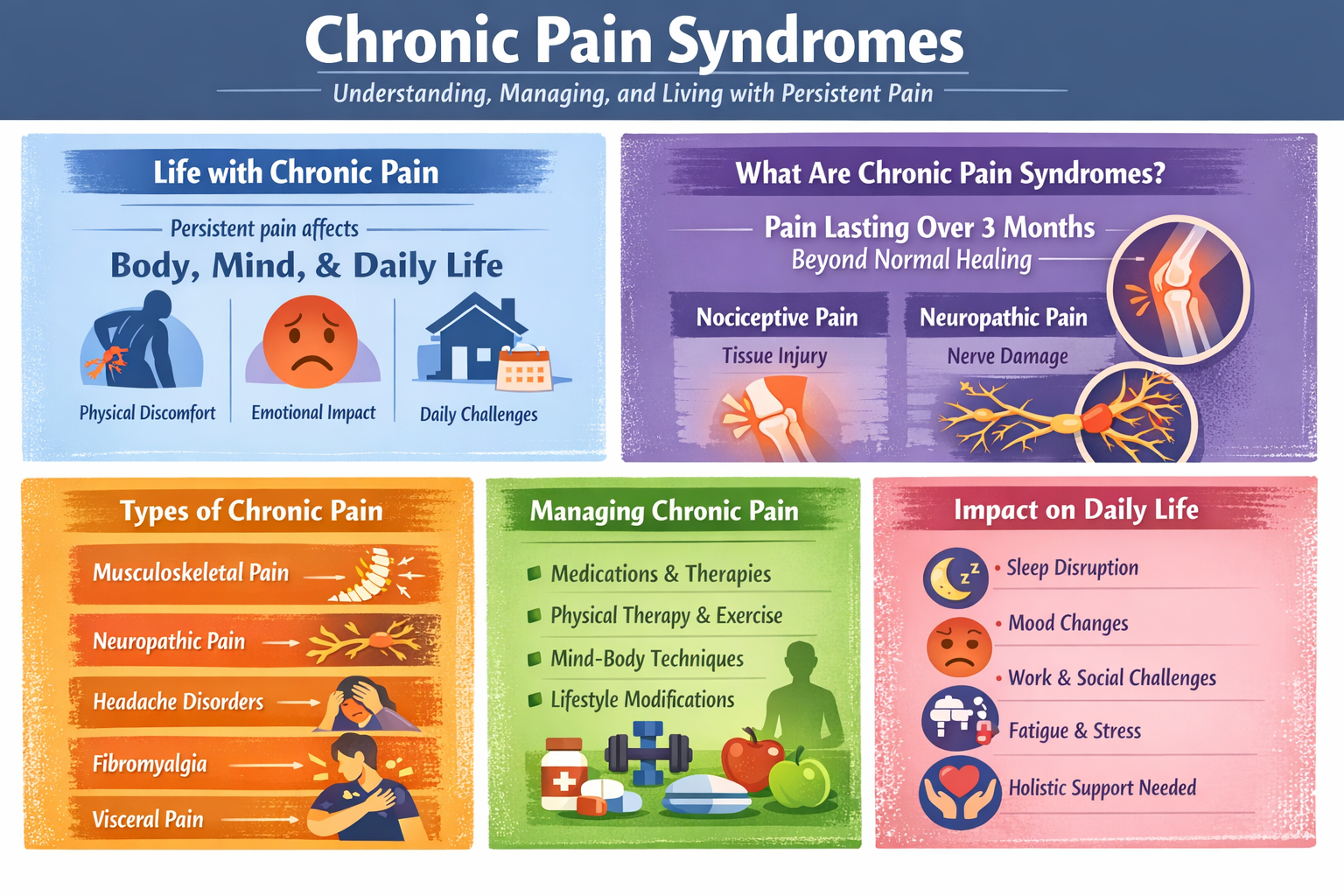
Pain is the body’s natural alarm system. It alerts us to injury, illness, or potential danger. However, when pain persists beyond the expected healing period—typically more than three months—it can evolve into a chronic pain syndrome, a condition that affects millions of people worldwide. Chronic pain is more than just a physical sensation; it influences emotional well-being, daily function, relationships, and quality of life.
Unlike acute pain, which has a clear cause and often resolves with treatment, chronic pain may persist even after the original injury has healed. It can result from a variety of underlying conditions, including car accidents, nerve injuries, arthritis, spinal disorders, or fibromyalgia, and may affect any part of the body, from the back and neck to joints and extremities.
Living with chronic pain syndromes can be challenging. Patients often face frustration, fatigue, anxiety, or depression alongside their physical discomfort. Understanding chronic pain syndromes—their causes, symptoms, diagnosis, and management—is essential for patients, caregivers, and healthcare providers seeking effective solutions. This article provides a comprehensive, human-centered guide to chronic pain syndromes, emphasizing realistic strategies for living well despite ongoing discomfort.
What Are Chronic Pain Syndromes?
Chronic pain syndromes are conditions in which pain persists for months or years, often beyond the normal healing time for an injury or illness. Chronic pain can be nociceptive, arising from tissue injury, or neuropathic, resulting from nerve damage. Some patients experience mixed pain with both elements.
Chronic pain syndromes can be classified into several categories:
- Musculoskeletal pain: Resulting from injuries, arthritis, or back and neck problems.
- Neuropathic pain: Caused by nerve injuries, spinal cord damage, or conditions like diabetic neuropathy.
- Headache disorders: Including chronic migraines or post-traumatic headaches.
- Fibromyalgia: Widespread pain accompanied by fatigue, sleep disturbances, and cognitive difficulties.
- Visceral pain: Arising from internal organs, such as in chronic pancreatitis or irritable bowel syndrome.
While the physical component of chronic pain is significant, the emotional and social impact is equally important. Chronic pain affects sleep, mobility, mood, work productivity, and social relationships, making a holistic approach to care essential.
Causes of Chronic Pain Syndromes
Chronic pain can arise from a variety of underlying causes:
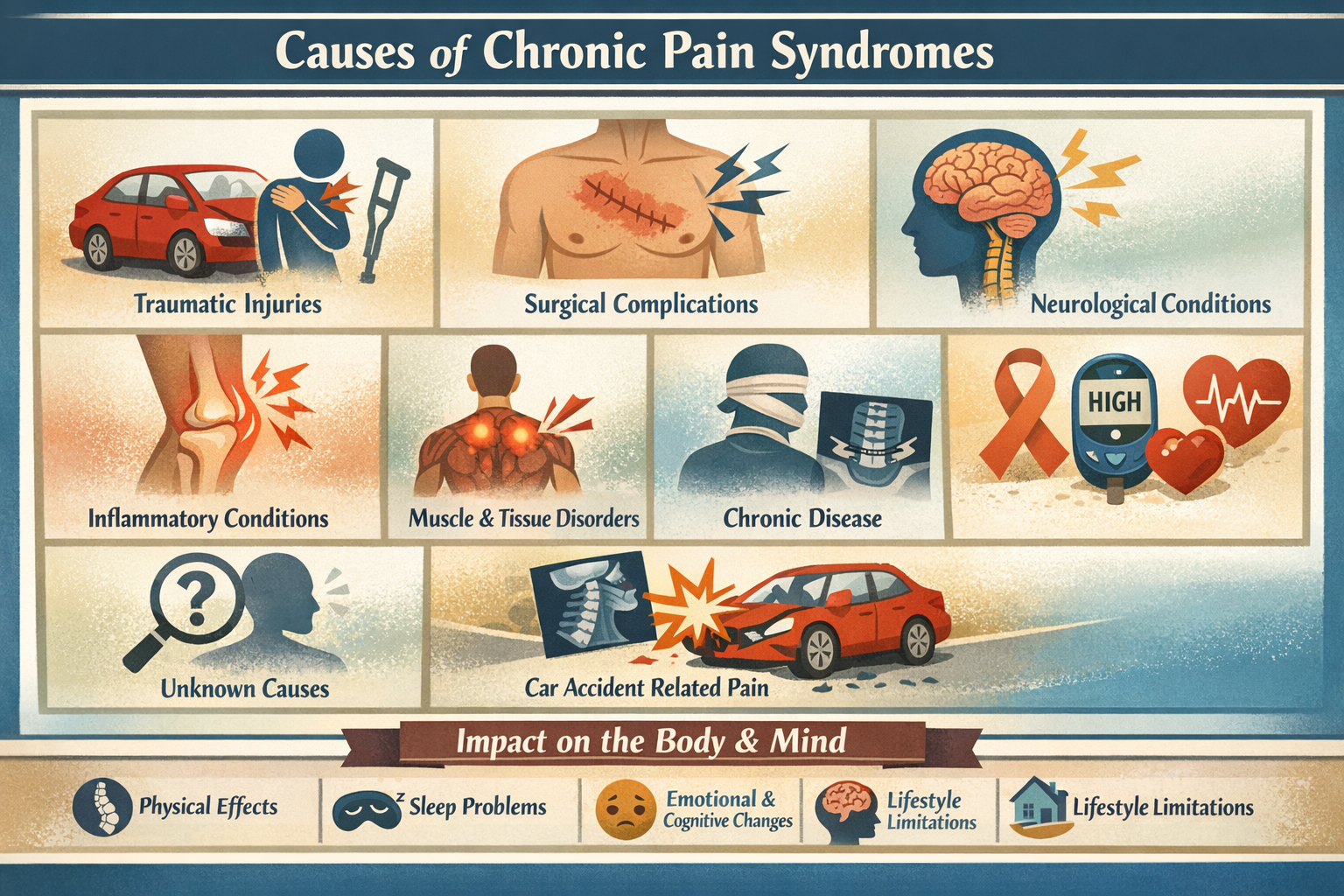
- Traumatic injuries: Car accidents, falls, or sports injuries can lead to long-lasting pain even after fractures or soft tissue injuries heal.
- Surgical complications: Scar tissue, nerve damage, or post-operative changes can contribute to persistent pain.
- Neurological conditions: Nerve compression, neuropathy, or spinal cord injuries can trigger ongoing pain.
- Inflammatory conditions: Arthritis, autoimmune disorders, and chronic infections can produce persistent discomfort.
- Muscle and connective tissue disorders: Conditions like myofascial pain syndrome or fibromyalgia involve widespread muscular pain and sensitivity.
- Chronic disease: Diabetes, cancer, or vascular disorders may contribute to neuropathic or musculoskeletal pain.
- Unknown causes: Some chronic pain syndromes develop without a clear underlying injury or disease, making diagnosis and treatment more challenging.
Trauma-related chronic pain is especially common following car accidents, where soft tissue injuries, whiplash, or nerve damage can lead to persistent symptoms affecting multiple areas of the body.
How Chronic Pain Syndromes Affect the Body
Chronic pain is not merely an extended sensation of discomfort. It can create a cascade of effects throughout the body and mind:
- Physical effects: Limited mobility, muscle weakness, joint stiffness, and altered posture.
- Sensory effects: Persistent aching, burning, or shooting pain that fluctuates in intensity.
- Sleep disturbances: Difficulty falling or staying asleep, leading to fatigue and decreased healing capacity.
- Emotional effects: Anxiety, depression, frustration, and irritability are common in patients coping with long-term pain.
- Cognitive effects: Difficulty concentrating, memory problems, and decreased mental clarity.
- Lifestyle impacts: Reduced participation in work, social activities, and hobbies, which can lead to isolation.
Because chronic pain involves both physical and psychological components, effective management requires a comprehensive, multidisciplinary approach.
Recognizing the Symptoms
Symptoms of chronic pain syndromes can vary widely depending on the underlying condition:
- Persistent pain lasting longer than three months
- Pain that is dull, aching, burning, or sharp
- Pain aggravated by movement, stress, or environmental factors
- Muscle tension, spasms, or weakness
- Fatigue, sleep disturbances, and daytime drowsiness
- Emotional changes, including irritability, anxiety, or depression
- Sensory changes, such as numbness or tingling in specific areas
Early recognition and documentation of symptoms can guide healthcare providers in identifying the cause and selecting appropriate treatment strategies.
Diagnosing Chronic Pain Syndromes
Diagnosis involves a thorough evaluation by healthcare professionals:
- Medical history: Including prior injuries, surgeries, chronic illnesses, medications, and family history of pain disorders.
- Physical examination: Assessment of range of motion, muscle strength, neurological function, and joint health.
- Imaging studies: X-rays, MRI, or CT scans to identify structural issues like fractures, disc problems, or arthritis.
- Laboratory tests: Blood work to assess inflammation, autoimmune markers, or metabolic imbalances.
- Electrodiagnostic studies: Nerve conduction tests or electromyography to evaluate neuropathic pain.
- Pain assessment tools: Questionnaires and scales help quantify pain intensity, frequency, and impact on daily life.
Because chronic pain is multifaceted, a careful and comprehensive approach is essential to differentiate between nociceptive, neuropathic, or mixed pain syndromes.
Treatment of Chronic Pain Syndromes
Effective management requires a multimodal approach, addressing both physical and psychological components:
Medications:
- Over-the-counter pain relievers, such as acetaminophen or NSAIDs
- Prescription medications, including opioids (for carefully selected cases), anticonvulsants, or antidepressants
- Topical treatments such as creams, gels, or patches for localized pain
Physical therapy:
- Exercises to improve strength, flexibility, and posture
- Stretching and range-of-motion exercises to reduce stiffness
- Manual therapy, massage, or myofascial release for muscle tension
Occupational therapy:
- Techniques for adapting daily activities to reduce strain
- Education on ergonomic principles for home and work environments
- Assistive devices to maintain independence and mobility
Psychological support:
- Cognitive-behavioral therapy (CBT) to manage pain perception and emotional impact
- Mindfulness and relaxation techniques to reduce stress and enhance coping
- Support groups to share experiences and strategies
Interventional procedures:
- Nerve blocks, steroid injections, or epidural injections for localized pain
- Radiofrequency ablation or neuromodulation techniques for refractory cases
- Surgical interventions in select cases where structural problems contribute to pain
Rehabilitation and Recovery
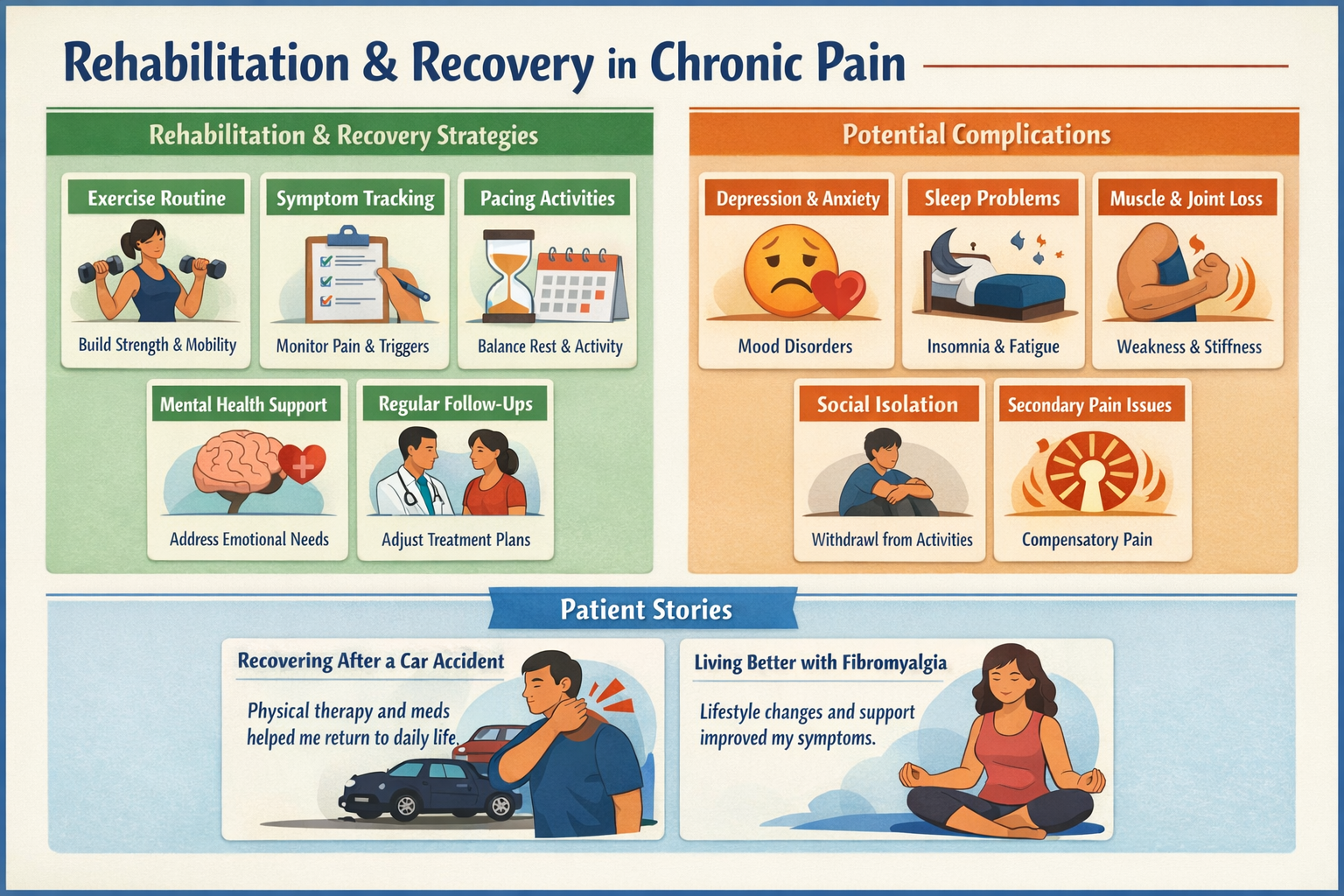
Recovery from chronic pain is a gradual process. While some patients achieve significant relief, others may require ongoing management. Key strategies include:
- Establishing a consistent exercise routine to maintain mobility and strength
- Tracking symptoms to identify triggers and evaluate treatment effectiveness
- Using pacing strategies to balance activity and rest
- Incorporating mental health support to address emotional and cognitive challenges
- Regular follow-ups with healthcare providers to adjust medications and therapy
Rehabilitation focuses not only on pain reduction but also on improving overall function and quality of life.
Potential Complications
Chronic pain syndromes can have significant long-term consequences if untreated:
- Increased risk of depression, anxiety, or other mental health conditions
- Sleep disturbances leading to fatigue and reduced healing capacity
- Loss of muscle mass or joint function due to limited movement
- Social isolation or reduced work productivity
- Development of secondary pain conditions due to compensatory movement patterns
Early intervention, ongoing management, and a supportive care team can reduce these risks and improve outcomes.
Patient Experiences
One patient developed chronic neck and shoulder pain after a car accident. With physical therapy, ergonomic adjustments at work, and a combination of medications, the patient regained function, reduced pain intensity, and returned to daily activities.
Another patient with fibromyalgia experienced widespread pain, fatigue, and sleep disturbances. By combining lifestyle changes, mindfulness practices, targeted exercise, and medication management, the patient improved symptom control and achieved a higher quality of life.
These stories demonstrate the importance of individualized care, patience, and perseverance in managing chronic pain syndromes.
Immediate Steps for Patients
Patients experiencing chronic pain should:
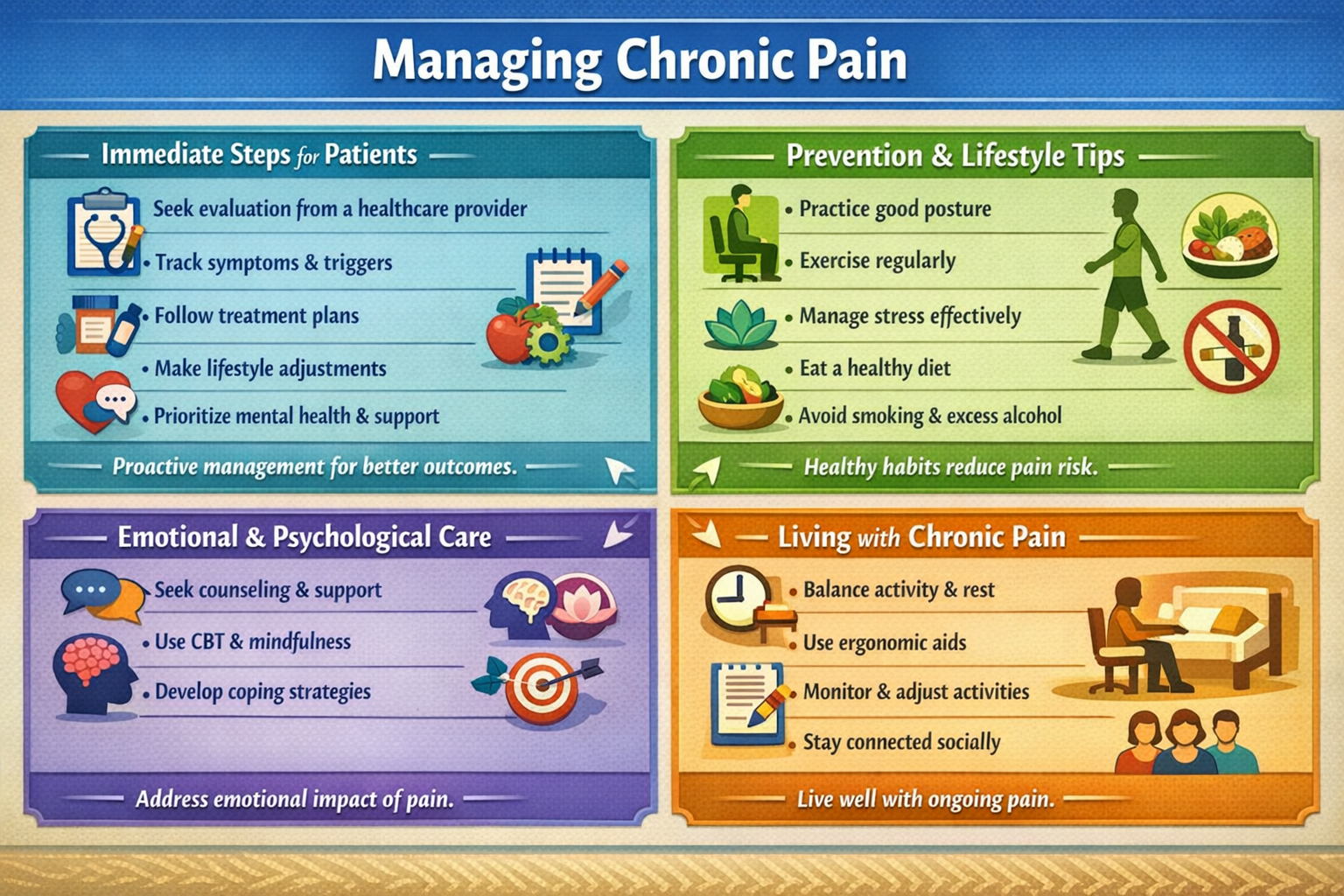
- Seek evaluation from a qualified healthcare provider
- Keep a detailed record of symptoms, triggers, and pain intensity
- Follow prescribed treatment plans and therapy regimens
- Incorporate lifestyle adjustments to reduce exacerbating factors
- Prioritize mental health support and social engagement
Proactive management improves long-term outcomes and reduces the physical and emotional toll of chronic pain.
Prevention and Lifestyle Considerations
While not all chronic pain can be prevented, certain strategies reduce risk or slow progression:
- Maintaining proper posture and body mechanics during daily activities
- Engaging in regular low-impact exercise, such as walking, swimming, or yoga
- Practicing stress reduction techniques, including mindfulness or meditation
- Maintaining a balanced diet rich in vitamins, minerals, and anti-inflammatory nutrients
- Avoiding smoking, excessive alcohol, and other substances that may exacerbate pain
- Seeking early treatment for acute injuries to prevent chronic pain development
These proactive measures support long-term physical and emotional health.
Emotional and Psychological Considerations
Chronic pain affects more than the body. Anxiety, depression, and frustration are common among patients living with persistent pain. Emotional support is critical and may include counseling, cognitive-behavioral therapy, support groups, and mindfulness practices.
Patients benefit from developing coping strategies, setting realistic goals, and maintaining social connections to reduce the psychological burden of chronic pain.
Living With Chronic Pain Syndromes
With proper care, patients with chronic pain can maintain independence and enjoy a meaningful life. Daily strategies include:
- Scheduling activity and rest periods to manage energy levels
- Using adaptive devices or ergonomic tools to reduce strain
- Incorporating exercise, therapy, and relaxation into routines
- Monitoring symptoms and adjusting activities to prevent flare-ups
- Engaging in supportive social and community networks
Education, support, and proactive management are key to living well with chronic pain.
Long-Term Outlook
The long-term prognosis varies depending on the underlying cause, severity, and patient engagement in treatment. Many patients achieve significant pain relief and functional improvement with a multidisciplinary approach. Others may require ongoing management but can still maintain quality of life and independence.
Early intervention, personalized treatment plans, and holistic care—including physical, emotional, and social support—maximize outcomes and help patients lead fulfilling lives despite chronic pain.