

Peripheral Neuropathy: Understanding, Symptoms, and Management
Life with Peripheral Neuropathy
Peripheral neuropathy is a condition that affects the peripheral nerves, the vast network of nerves outside the brain and spinal cord that connects the central nervous system to the rest of the body. These nerves carry messages between the brain and muscles, skin, and organs, controlling movement, sensation, and many essential bodily functions.
When these nerves are damaged, signals are disrupted, leading to numbness, tingling, pain, or weakness. This can make everyday activities like walking, holding objects, or even feeling temperature changes difficult and sometimes dangerous. Peripheral neuropathy can develop slowly or suddenly, and while it affects people of all ages, it is most common among adults with diabetes, autoimmune conditions, or nerve injuries.
Peripheral neuropathy can be triggered by various causes, including trauma from car accidents, repetitive stress injuries, infections, medications, toxins, or chronic diseases like diabetes. While it can be chronic and progressive, early recognition, proper diagnosis, and management can significantly improve quality of life.
This article provides a comprehensive, human-centered guide to understanding peripheral neuropathy, including its causes, symptoms, diagnosis, treatment options, and strategies for managing the condition in daily life.
What Is Peripheral Neuropathy?
Peripheral neuropathy occurs when the peripheral nerves are damaged, disrupting communication between the brain and the body. There are three main types of peripheral nerves:
- Sensory nerves: Carry signals about touch, pain, temperature, and vibration. Damage can cause numbness, tingling, or burning sensations.
- Motor nerves: Control muscle movement. Damage can cause weakness, cramps, or difficulty performing coordinated movements.
- Autonomic nerves: Regulate involuntary functions like heart rate, blood pressure, digestion, and sweating. Damage can cause dizziness, digestive problems, or abnormal heart rate.
Peripheral neuropathy may affect a single nerve (mononeuropathy), a few nerves in different areas (multiple mononeuropathy), or many nerves throughout the body (polyneuropathy). The extent and type of nerve involvement influence symptoms, treatment approaches, and prognosis.

Causes of Peripheral Neuropathy
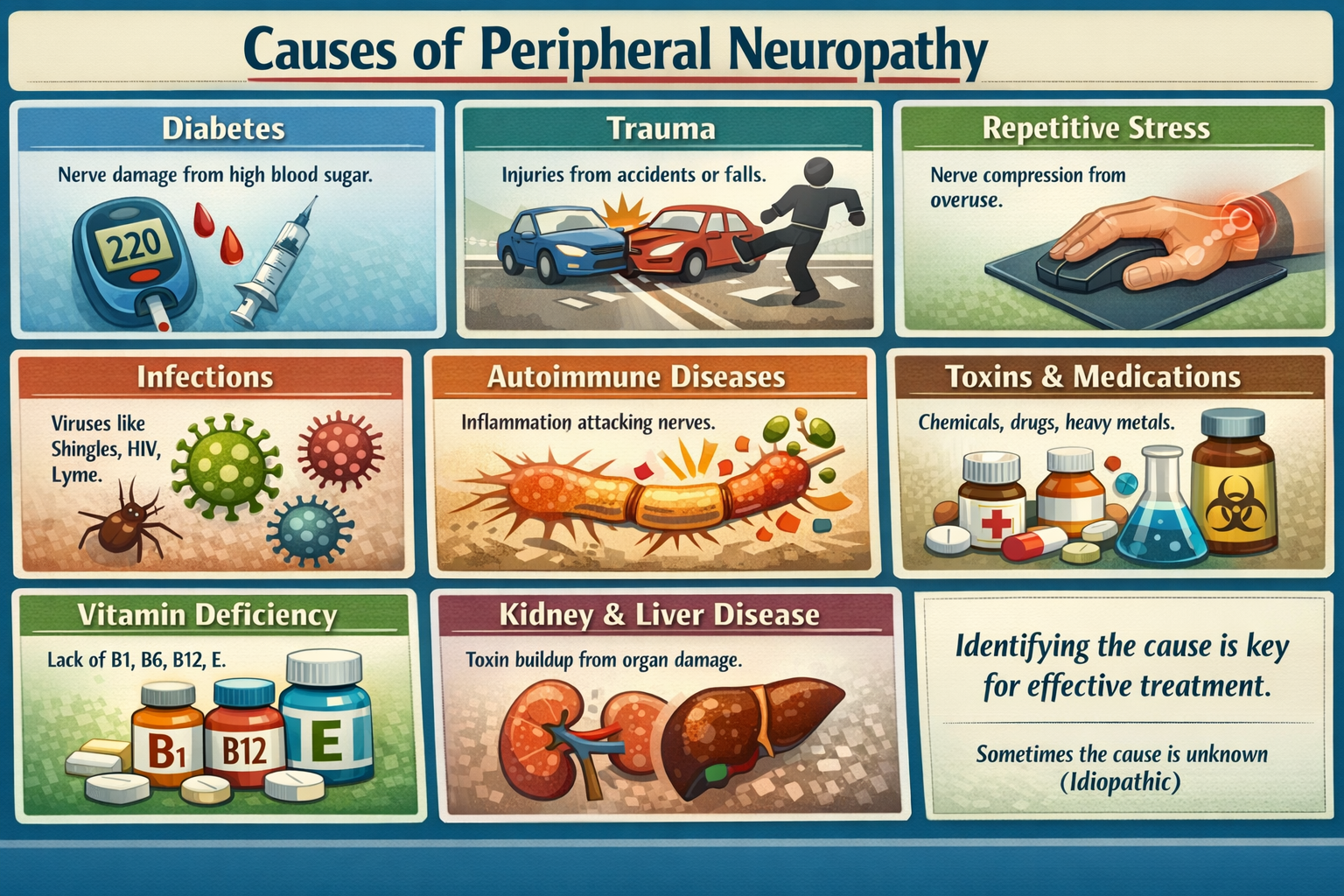
Peripheral neuropathy has a wide range of potential causes. Understanding the underlying cause is essential for effective treatment. Common causes include:
- Diabetes: High blood sugar over time damages nerves, particularly in the feet and hands, making diabetic neuropathy one of the most common forms.
- Trauma: Car accidents, falls, or sports injuries can stretch, compress, or sever nerves, resulting in neuropathic symptoms.
- Repetitive stress: Continuous pressure or repetitive movements can compress nerves, such as in carpal tunnel syndrome.
- Infections: Viruses like shingles, HIV, or Lyme disease can damage peripheral nerves.
- Autoimmune diseases: Conditions like rheumatoid arthritis or lupus can cause inflammation that harms nerves.
- Toxins and medications: Certain chemotherapy drugs, heavy metals, and medications can injure peripheral nerves.
- Vitamin deficiencies: Lack of vitamins B1, B6, B12, or E can impair nerve function.
- Chronic kidney or liver disease: Toxins accumulating due to organ dysfunction can damage nerves.
Peripheral neuropathy can also be idiopathic, meaning the cause is unknown. Identifying contributing factors is crucial for slowing progression and relieving symptoms.
How Peripheral Neuropathy Affects the Body
Peripheral neuropathy can significantly impact physical, emotional, and social well-being. Symptoms vary depending on the nerves affected and severity.
Sensory symptoms may include:
- Numbness or reduced ability to feel touch or temperature
- Tingling or “pins and needles” sensations
- Burning, stabbing, or sharp pain, often worse at night
- Sensitivity to touch or pressure
Motor symptoms may include:
- Muscle weakness, cramps, or twitching
- Loss of coordination or balance
- Difficulty performing fine motor tasks, like buttoning clothes or writing
Autonomic symptoms may include:
- Dizziness or fainting due to blood pressure changes
- Digestive issues such as constipation or diarrhea
- Abnormal sweating or inability to regulate body temperature
- Heart rate irregularities
These symptoms can lead to falls, injuries, difficulty walking, and limitations in daily activities. The emotional toll can also be significant, with patients often experiencing frustration, anxiety, or depression.
Recognizing the Symptoms
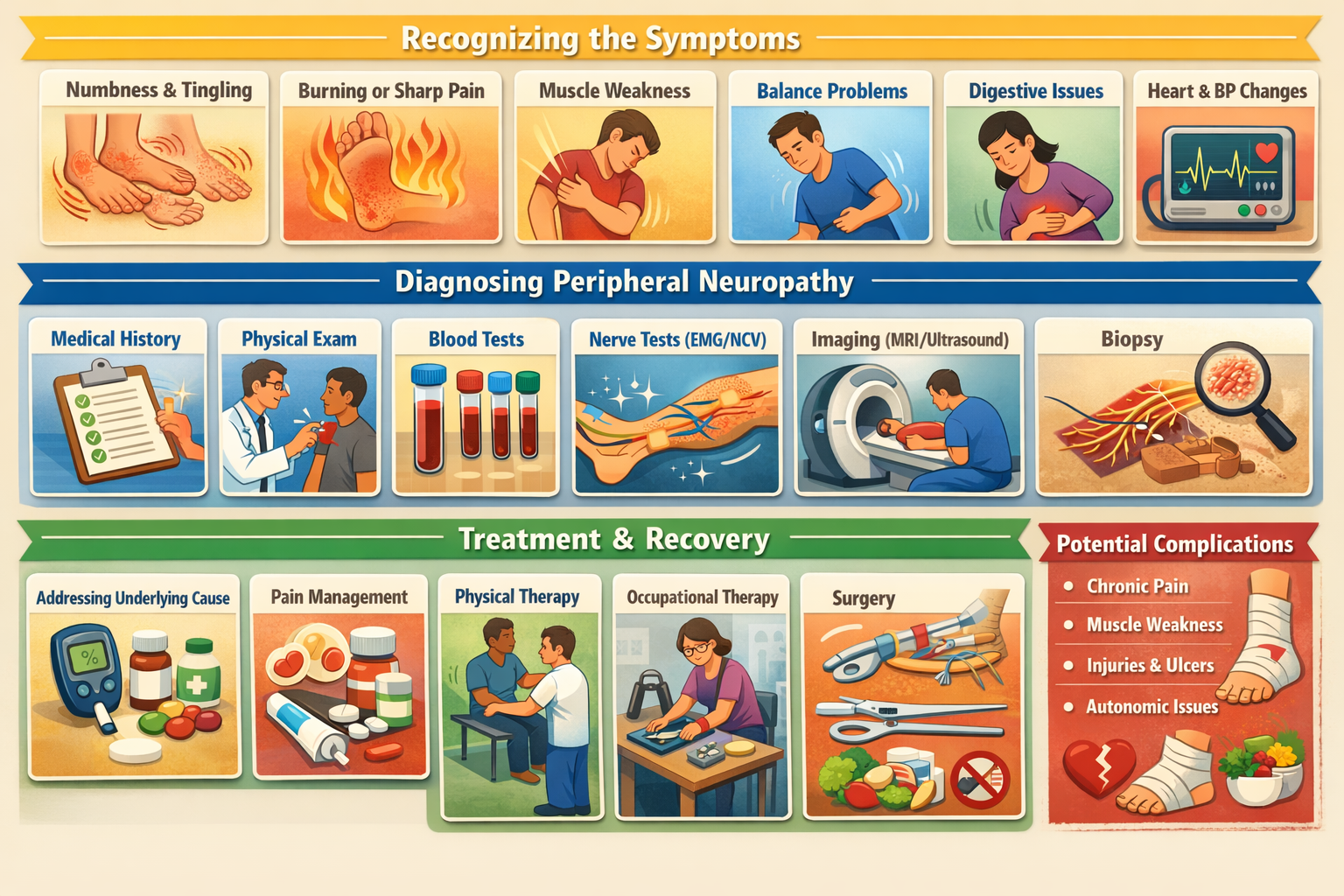
Peripheral neuropathy symptoms can develop gradually or suddenly. Early recognition is key to preventing complications. Common warning signs include:
- Persistent numbness or tingling in hands, feet, or limbs
- Burning, sharp, or stabbing pain
- Muscle weakness or cramping
- Sensitivity to touch or temperature
- Loss of balance or coordination
- Unexplained digestive or cardiovascular symptoms in autonomic neuropathy
Patients may notice symptoms in one area initially, which can then progress to multiple areas over time. Prompt evaluation by a healthcare provider is essential to prevent worsening nerve damage.
Diagnosing Peripheral Neuropathy
Diagnosis involves a combination of medical history, physical examination, and specialized tests:
- Medical history: Doctors review symptoms, family history, past injuries, medications, and lifestyle factors.
- Physical examination: Assessment of reflexes, muscle strength, coordination, and sensory function helps identify affected nerves.
- Blood tests: Evaluate blood sugar levels, vitamin deficiencies, thyroid function, and markers of autoimmune disease.
- Imaging: MRI or ultrasound may identify structural causes such as nerve compression or spinal problems.
- Electrodiagnostic tests: Nerve conduction studies and electromyography (EMG) measure electrical activity of nerves and muscles to confirm the location and severity of nerve damage.
- Skin or nerve biopsy: In rare cases, a biopsy may be performed to examine nerve tissue directly.
Accurate diagnosis is crucial for targeting treatment, managing symptoms, and preventing further damage.
Treatment of Peripheral Neuropathy
Treatment focuses on addressing the underlying cause, managing symptoms, and improving function and quality of life.
Addressing the underlying cause
- Controlling blood sugar in diabetic patients
- Correcting vitamin deficiencies
- Treating infections or autoimmune conditions
- Adjusting medications that may contribute to nerve damage
Pain management
- Medications such as anticonvulsants, antidepressants, or topical creams
- Over-the-counter pain relievers for mild discomfort
- Nerve blocks or injections for severe localized pain
Physical therapy and rehabilitation
- Exercises to maintain strength, flexibility, and coordination
- Balance training to prevent falls
- Stretching and posture correction to relieve nerve compression
Occupational therapy
- Adaptive devices to improve hand function or mobility
- Techniques for performing daily activities safely
- Education on energy conservation and ergonomics
Surgical intervention
- In cases of nerve compression from herniated discs, tumors, or trauma, surgery may be necessary to relieve pressure and restore function
Lifestyle modifications
- Maintaining a healthy diet rich in vitamins and antioxidants
- Regular physical activity to improve circulation and nerve health
- Avoiding alcohol or toxins that can worsen nerve damage
- Proper foot and skin care to prevent injuries in areas with numbness
Rehabilitation and Recovery
Recovery from peripheral neuropathy varies depending on cause and severity. Some patients experience complete recovery, especially if the underlying cause is corrected early. Others may have persistent symptoms requiring ongoing management.
Rehabilitation focuses on:
- Preventing further nerve damage
- Maintaining strength and function
- Reducing pain and discomfort
- Improving independence in daily life
Patients often benefit from a multidisciplinary approach, including neurologists, physical therapists, occupational therapists, pain specialists, and mental health support.
Potential Complications
If untreated, peripheral neuropathy can lead to:
- Chronic pain or neuropathic pain syndromes
- Muscle wasting or weakness
- Loss of coordination and increased risk of falls
- Skin injuries, infections, or ulcers due to numbness
- Autonomic complications, including heart or digestive issues
- Emotional challenges such as anxiety, depression, or social isolation
Early intervention and consistent care are essential to prevent these complications and improve long-term outcomes.
Patient Experiences
Stories from patients with peripheral neuropathy illustrate the challenges and resilience involved in managing the condition:
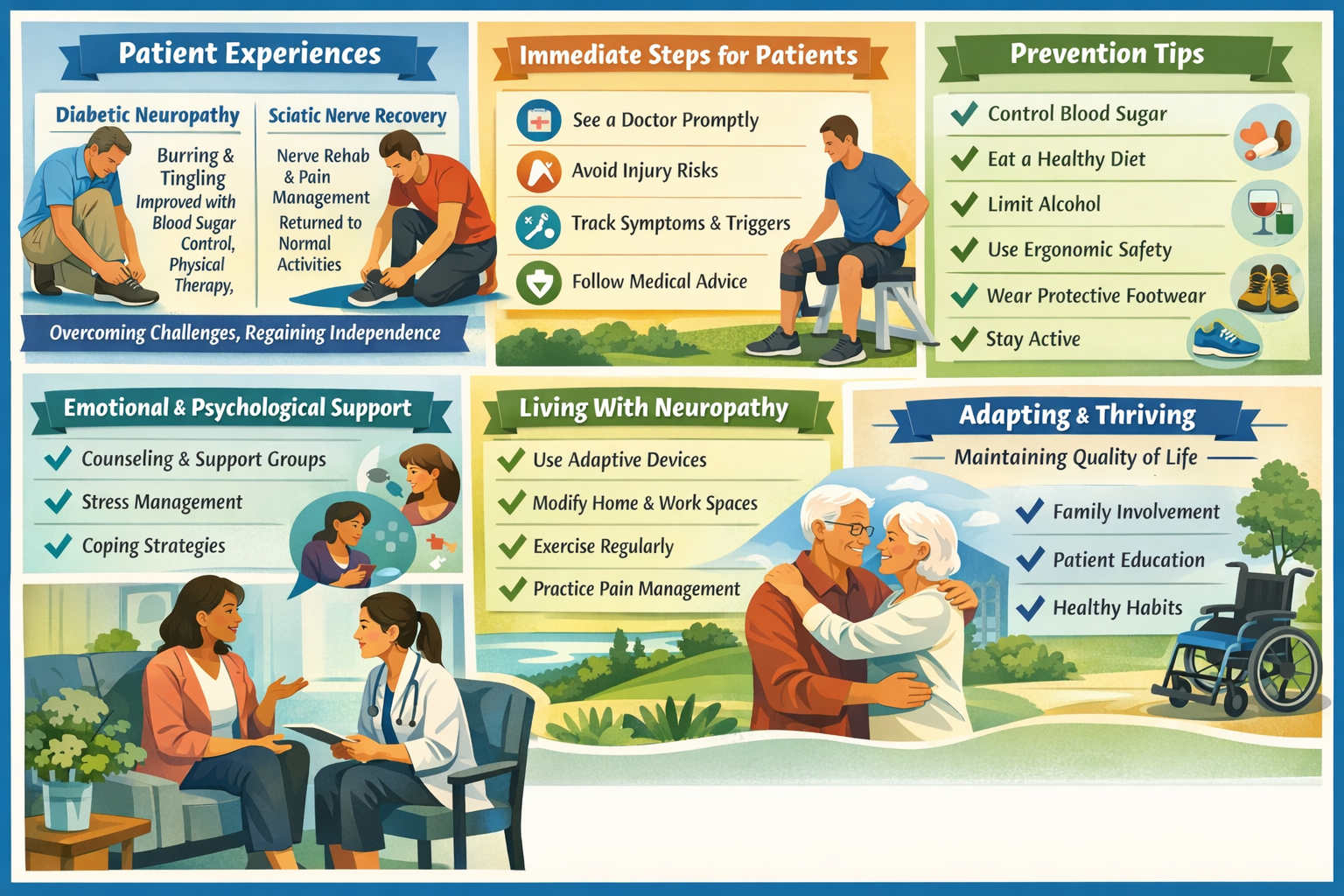
One patient with diabetic neuropathy experienced burning and tingling in the feet. With improved blood sugar control, physical therapy, and proper footwear, the patient regained mobility and reduced discomfort, allowing for daily walks and improved independence.
Another patient developed sciatic nerve neuropathy after a car accident. Despite initial weakness and pain in the leg, a combination of nerve rehabilitation exercises, pain management, and ergonomic adjustments at work allowed the patient to return to normal activities over several months.
These stories highlight the importance of early recognition, personalized treatment, and patient perseverance in improving outcomes.
Immediate Steps for Patients
Anyone experiencing symptoms of peripheral neuropathy should:
- Seek prompt evaluation by a healthcare provider
- Avoid activities that may exacerbate symptoms or cause injury
- Keep a detailed record of symptoms, triggers, and progression
- Follow medical advice on medications, therapy, and lifestyle changes
Early intervention can prevent worsening nerve damage and maximize recovery potential.
Prevention and Lifestyle Considerations
While some causes of peripheral neuropathy cannot be avoided, several strategies may reduce risk or slow progression:
- Maintaining optimal blood sugar levels if diabetic
- Eating a balanced diet with sufficient vitamins
- Limiting alcohol intake
- Practicing safe lifting and ergonomic techniques
- Wearing protective footwear to prevent foot injuries
- Regular physical activity to maintain circulation and nerve health
Lifestyle adjustments, combined with medical care, can significantly enhance quality of life for patients with peripheral neuropathy.
Emotional and Psychological Considerations
Peripheral neuropathy can affect mental health. Chronic pain, numbness, and mobility limitations can lead to frustration, anxiety, or depression. Emotional support, counseling, and patient education are essential components of care. Mindfulness practices, support groups, and coping strategies can improve mental resilience and overall well-being.
Living With Peripheral Neuropathy
With appropriate care and support, patients can maintain independence and lead fulfilling lives. Daily routines may be adjusted, including:
- Using adaptive devices for mobility or hand function
- Modifying workspaces or home environments for safety
- Incorporating regular physical therapy and exercise into routines
- Practicing pain management techniques and healthy lifestyle habits
Patient education, family involvement, and access to healthcare resources are critical for long-term adaptation and quality of life.
Long-Term Outlook
The long-term outlook for peripheral neuropathy depends on the underlying cause, extent of nerve damage, and timeliness of treatment. Some patients experience complete recovery, while others may have persistent symptoms requiring ongoing management.
Early diagnosis, targeted treatment, and a multidisciplinary rehabilitation approach improve outcomes. Patients can achieve meaningful independence, manage symptoms effectively, and maintain a high quality of life.