

Perforated Bowel Signs That Need Emergency Care
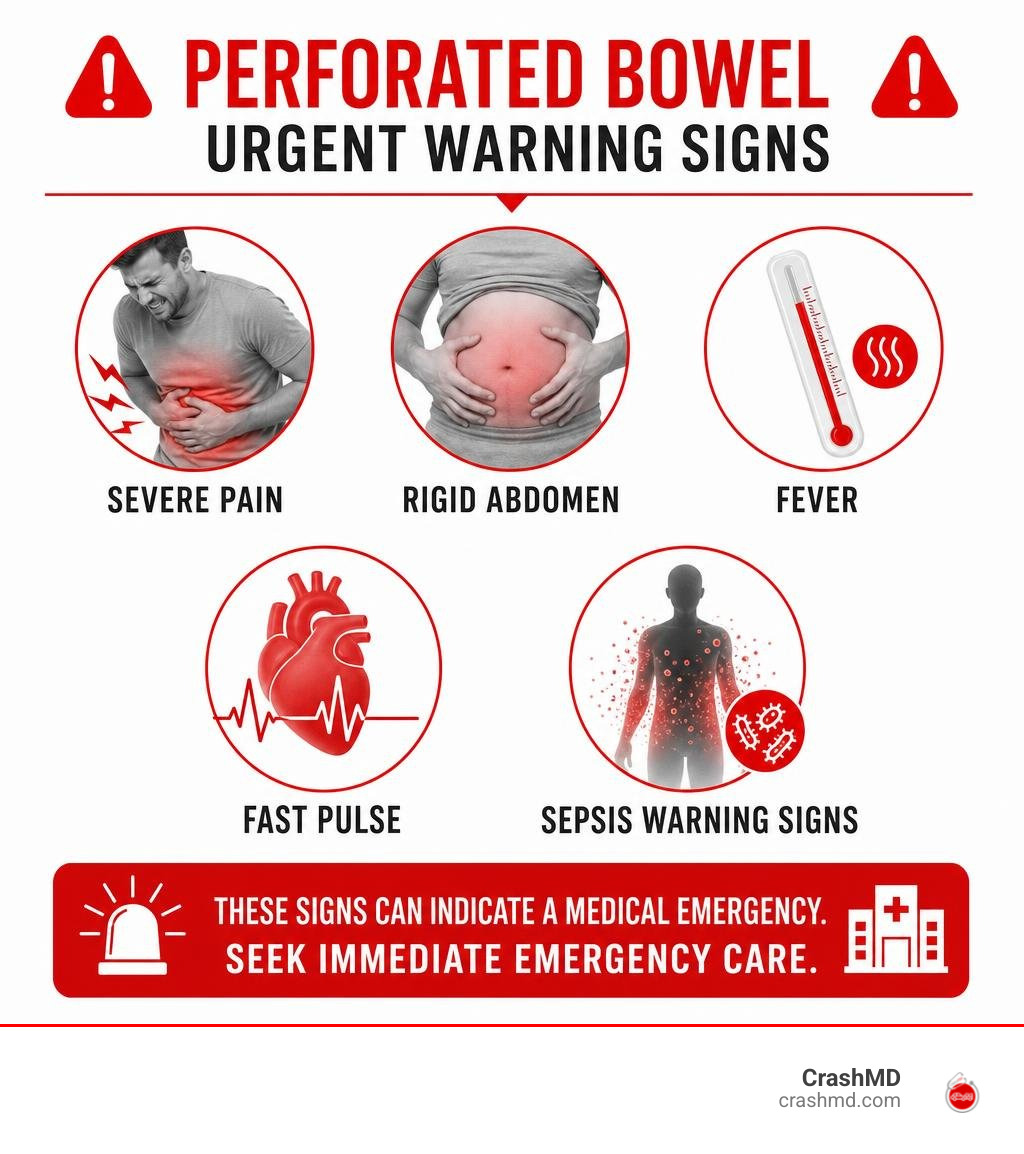
Perforated bowel signs can include sudden severe abdominal pain, a hard or swollen belly, pain that worsens with movement, fever, nausea or vomiting, fast heartbeat, and dizziness or confusion. After a car accident, especially with abdominal bruising from a seatbelt or a hard impact, these symptoms need immediate emergency evaluation. Call 911 or go to the ER now – do not wait to see if the pain improves.
A perforated bowel is a hole or tear in the stomach, small intestine, or colon. It lets digestive fluids, bacteria, and waste leak into the normally sterile abdominal cavity. This can quickly cause peritonitis, sepsis, shock, and organ failure.
Some injuries are not obvious at first. Pain may begin in one area, or there can be a short period of relief before widespread abdominal pain and illness develop. That is why severe or worsening belly pain after a crash should never be ignored.
I’m Dr. Adam Savage, and this checklist will help you recognize urgent warning signs and understand the emergency care that may follow.
Learn more about perforated bowel signs:
Understanding Gastrointestinal Rupture and Perforated Bowel Signs
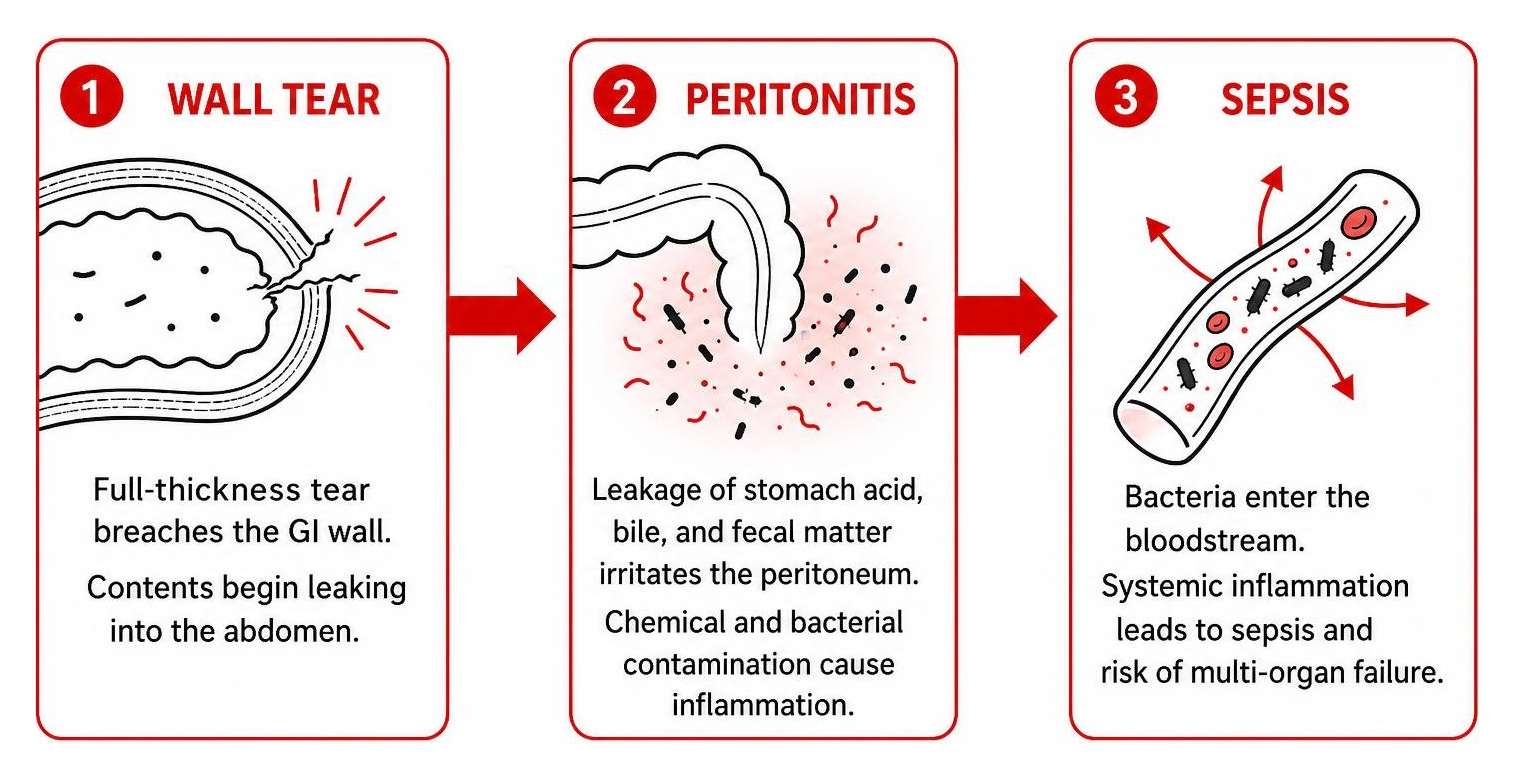
The gastrointestinal tract is designed as a secure, closed system. It keeps corrosive stomach acids, harsh bile, and billions of intestinal bacteria strictly insulated within muscular walls. When a full-thickness tear breaches this barrier, intraluminal contents immediately contaminate the visceral lining of the abdominal cavity.
As detailed in a StatPearls clinical review on bowel perforation, gastrointestinal rupture represents an immediate breakdown of internal compartmentalization. This triggers an aggressive biological emergency.
Anatomy of the Digestive Tract and Peritoneal Cavity
Your digestive tract spans several interconnected organs:
- The Stomach and Duodenum: Highly acidic environments responsible for early digestion.
- The Small Intestine (Jejunum and Ileum): Over twenty feet of specialized tissue processing nutrients alongside digestive enzymes.
- The Colon and Rectum: The final pathway housing dense colonies of gut bacteria and solid waste.
Surrounding these organs is the peritoneum—a thin, sterile membrane lubricating internal movements. When a rupture occurs, this sterile space is exposed to stomach acid, bile, and feculent matter.
Why a Hollow Viscus Perforation Is a Critical Emergency
A tear in a hollow organ causes two rapid stages of disease:
- Chemical Peritonitis: Acidic digestive juices cause direct chemical burns to the peritoneal lining.
- Bacterial Translocation and Sepsis: Bacteria enter the sterile bloodstream, triggering severe inflammation and risking multi-organ failure.
Untreated hollow organ perforations carry emergency mortality rates between 30% and 50%. Reviewing common symptoms of perforated bowel mistakes to avoid helps prevent dangerous delays in emergency care.
The Emergency Checklist: Recognizing Early and Advanced Symptoms
Clinical presentations can vary depending on the perforation’s size, its location, and the time elapsed since the injury. Reviewing the MSD Manual clinical guide to GI tract perforation underscores that early detection directly prevents fatal outcomes.
Classic Perforated Bowel Signs: Sudden Pain, Guarding, and Rigidity
The hallmark physical signs of gastrointestinal perforation include:
- Sudden, Sharp Pain: Often described as a severe, knife-like sensation across the midsection.
- Involuntary Guarding: Abdominal muscles contract automatically when touched.
- Board-Like Rigidity: The entire abdominal wall becomes rock-hard to shield inflamed organs.
- Rebound Tenderness: Pain intensifies sharply when pressing down and quickly releasing the abdomen.
- Absent Bowel Sounds: Intestinal motility stops entirely (paralytic ileus).
Note on the “Pain-Free Interval”: When a pressurized, obstructed bowel segment first ruptures, internal tension drops. This can cause a deceptive, temporary reduction in pain before diffuse peritonitis develops.
Differentiating Upper and Lower Perforated Bowel Signs
The anatomical location of a perforation changes how initial symptoms present:
| Feature | Upper GI Perforation (Stomach, Duodenum) | Lower GI Perforation (Small Bowel, Colon) |
|---|---|---|
| Onset | Sudden, explosive, severe epigastric pain | Gradual, progressive, cramping, or localized pain |
| Referred Pain | Frequent shoulder pain (phrenic nerve irritation) | Localized lower quadrant pain, pelvic pressure |
| Leak Composition | Acidic gastric juices, bile, pancreatic enzymes | High bacterial load, fecal matter, gas |
| Primary Risk | Immediate chemical peritonitis | Rapid bacterial sepsis, abscess formation |
Cascading Signs of Peritonitis and Life-Threatening Sepsis
When abdominal contamination spreads into the bloodstream, it triggers Systemic Inflammatory Response Syndrome (SIRS). The Sepsis Alliance overview on sepsis and perforated bowel notes that sepsis accounts for 40% to 50% of perforation-related fatalities.
Watch for these critical sepsis signs:
- High fever (over 100.4°F) or abnormally low body temperature (hypothermia under 96.8°F)
- Rapid heart rate (tachycardia > 90 beats per minute)
- Rapid breathing rate (tachypnea > 20 breaths per minute)
- Severe drop in blood pressure (hypotension)
- Cool, pale, or mottled extremities
- Lethargy, confusion, or sudden changes in mental state
Common Medical and Traumatic Causes of Bowel Perforation
A bowel rupture can stem from acute physical trauma or underlying chronic gastrointestinal diseases. For a detailed breakdown of these medical origins, read our causes of perforated bowel urgency review.
Blunt Trauma and Motor Vehicle Accidents
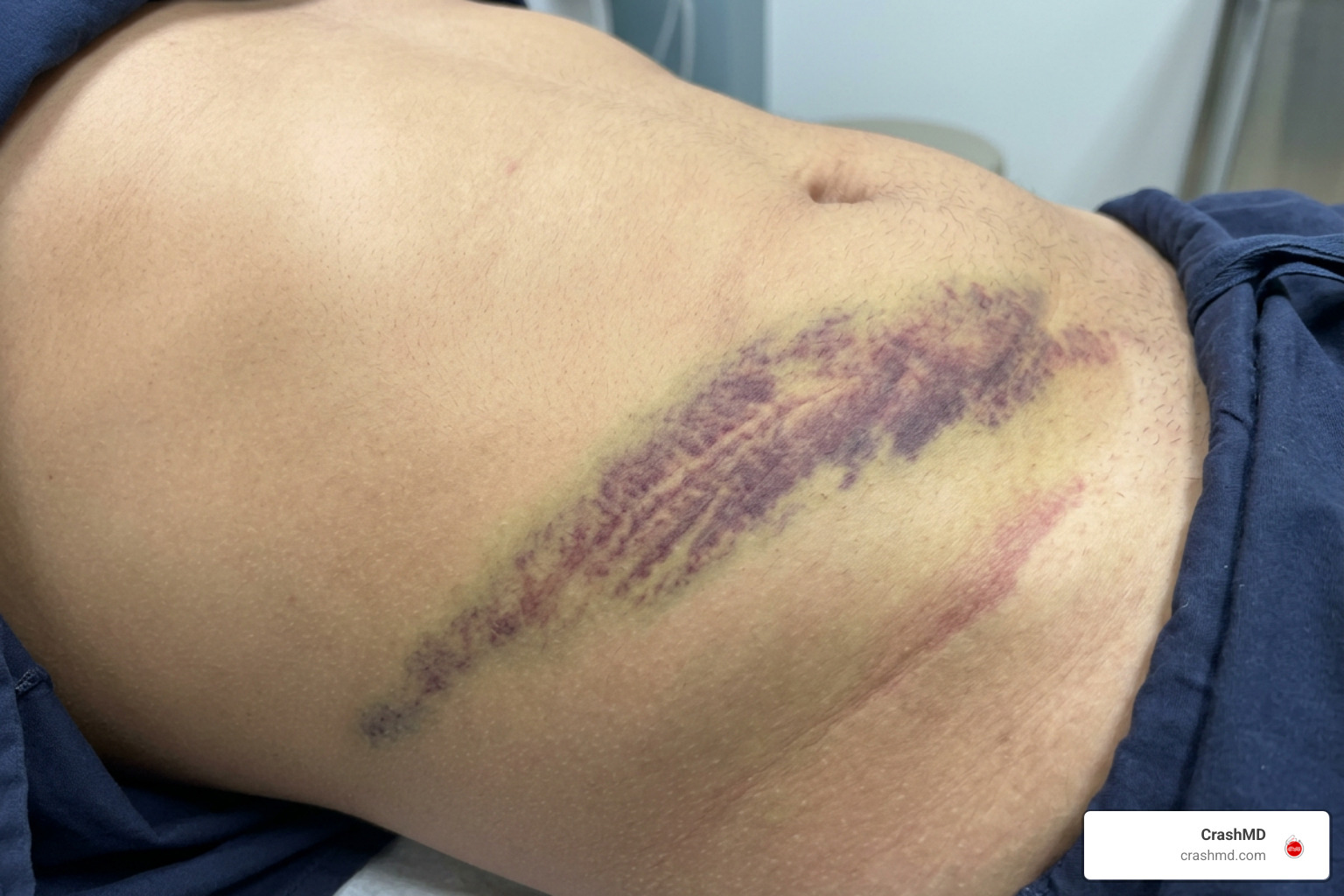
High-energy collisions frequently cause hollow organ damage through sudden deceleration and direct impact against steering wheels or seatbelts.
Key trauma mechanisms include:
- Shearing Forces: Rapid deceleration tears intestines away from their vascular mesenteric attachments.
- Crush Forces: Direct compression between the seatbelt and spinal column bursts fluid-filled intestinal loops.
- The Seatbelt Sign: Visible bruising across the lower abdomen or chest, which correlates strongly with internal bowel injuries.
If you experienced abdominal impact during a crash, follow our guide on assessing abdominal pain after an accident to catch delayed injuries early.
Disease-Related Causes: Diverticulitis, Peptic Ulcers, and IBD
Underlying medical conditions that can compromise intestinal wall integrity include:
- Diverticulitis: Roughly 10% of Americans over 40 and 50% over 60 have diverticulosis. Between 10% and 25% become symptomatic, with 1% to 2% developing free perforations and up to 30% developing contained microperforations and abscesses.
- Peptic Ulcer Disease: Occurs in 2% to 10% of ulcer cases, with 60% located in the duodenum and 40% in the stomach.
- Inflammatory Bowel Disease (IBD): Perforation rates reach up to 20% in severe ulcerative colitis (often alongside toxic megacolon) and 1% to 3% in Crohn’s disease.
- Colorectal Cancer: Malignant tumors cause perforation in 3% to 10% of diagnosed patients.
Iatrogenic and Obstructive Causes
Perforations can also happen during medical care or mechanical blockages:
- Iatrogenic Injury: Colonoscopy-related perforations occur in 0.9% to 2% of complex procedures.
- Surgical Anastomotic Leaking: Breakdown where bowel segments were previously joined.
- Foreign Body Ingestion: Swallowed objects (such as toothpicks, bones, or small batteries) cause 1% to 5.6% of perforations.
- Mechanical Bowel Obstruction: Severe upstream pressure from unmanaged fecal impaction (stercoral ulcers) or tumors can rupture the colon wall.
Emergency Diagnosis and Diagnostic Testing Procedures
Rapid diagnostics in the emergency room determine whether a patient needs immediate surgery or targeted stabilization. The emDocs emergency department bowel perforation evaluation highlights the importance of fast diagnostic protocols.
Physical Examination and Peritoneal Signs
Physicians conduct rapid assessments looking for:
- Distended, tympanitic abdomen
- Loss of normal liver dullness during percussion (caused by free air rising under the rib cage)
- Involuntary guarding and rebound tenderness
- Hemodynamic instability indicating septic shock
Radiography and CT Imaging Modalities
- Upright Chest and Abdominal X-Rays: Upright chest radiographs reveal free air trapped beneath the diaphragm in 50% to 70% of cases (including classic markers like the Rigler sign). However, plain X-rays miss perforations up to 30% to 50% of the time.
- Abdominopelvic CT Scan with IV Contrast: The gold standard diagnostic tool, achieving 82% to 98% accuracy in identifying tiny air pockets (pneumoperitoneum), fluid leaks, and the exact site of rupture. Water-soluble oral contrast is used when necessary, as barium is strictly avoided due to severe peritonitis risks.
Critical Laboratory Blood Markers
According to the AMBOSS emergency clinical guide for gastrointestinal perforation, critical diagnostic laboratory tests include:
- Complete Blood Count (CBC): Elevated white blood cells (leukocytosis) signaling infection.
- Serum Lactate: Elevated levels indicating tissue hypoperfusion and early sepsis.
- C-Reactive Protein (CRP) & Procalcitonin: Inflammatory markers tracking systemic infection.
- Arterial Blood Gas (ABG): Identifies severe metabolic acidosis (pH < 7.2, base excess < -8).
Treatment Pathways, Surgical Interventions, and Recovery
Managing a perforated bowel requires rapid stabilization, fluid resuscitation, and surgical repair. Review our post-accident medical care protocol to understand the clinical stages of trauma recovery.
Emergency Operative Repair and Ostomy Creation
Most free perforations require emergency surgery:
- Exploratory Laparotomy: A midline incision allowing surgeons to inspect the abdominal cavity, close bowel tears, or perform an omental patch (Graham patch) for duodenal ulcers.
- Laparoscopic Repair: Minimally invasive techniques reserved for select, stable patients with small tears.
- Bowel Resection and Ostomy: Removing severely necrotic or inflamed bowel tissue. Surgeons may create a temporary stoma (colostomy or ileostomy) to redirect waste while the bowel heals.
- Peritoneal Lavage: Washing out the abdominal cavity with sterile saline to clear bacteria and leaked digestive fluids.
Non-Surgical Management Criteria for Contained Leaks
Conservative management is strictly reserved for patients who meet specific criteria:
- Normal vital signs with no signs of sepsis
- Contained microperforation confirmed on CT scans without diffuse peritonitis
- Interventional radiology-guided percutaneous drainage for localized abscesses 3 cm or larger
- Strict bowel rest (NPO) and broad-spectrum IV antibiotics with continuous surgical monitoring
Post-Surgical Rehabilitation and Long-Term Outlook
Recovery requires structured medical care across several stages:
- Inpatient Hospitalization (5 to 14 Days): Intravenous antibiotic therapy, pain management, and gradual reintroduction of liquids.
- Infection and Complication Monitoring: Watching for surgical site infections (which occur in up to 32% of cases), anastomotic leaks, or intra-abdominal abscesses.
- Wound and Ostomy Care: Learning stoma management and changing surgical dressings safely.
- Physical Rehabilitation: Gradual mobilization to prevent deep vein thrombosis and reduce post-operative adhesions.
- Medical Documentation: For accident victims, documenting car accident injuries properly helps ensure emergency procedures and rehabilitation are clearly recorded.
Frequently Asked Questions About Bowel Perforation Signs
Can a perforated bowel heal on its own without surgery?
Small, contained microperforations occasionally seal on their own when surrounded by the omentum. However, this is safe only under strict hospital supervision using IV antibiotics, bowel rest, and serial CT scans. Free perforations leaking into the open abdominal cavity cannot heal on their own and require emergency surgery.
What does perforated bowel pain feel like compared to standard stomach pain?
Standard stomach pain often comes in waves, feels dull or crampy, and improves with position changes or bowel movements. Perforated bowel pain is sudden, severe, and sharp. It causes abdominal wall rigidity and worsens significantly with any physical movement, coughing, or touch.
How quickly can sepsis develop after a bowel perforation occurs?
Sepsis can develop within 2 to 12 hours after a free gastrointestinal perforation. As bacteria and digestive enzymes leak into the abdominal cavity, they enter the bloodstream rapidly. This causes a quick drop in blood pressure, elevated heart rate, and systemic organ stress.
Conclusion
A gastrointestinal perforation is a critical medical emergency. Recognizing the early warning signs—including sudden severe abdominal pain, board-like rigidity, fever, and rapid heart rate—can save your life. If you notice these symptoms, especially after a motor vehicle accident, seek emergency care immediately.
At CrashMD, we help accident victims navigate their complete recovery journey. We provide expert clinical care, comprehensive rehabilitation planning, and detailed medical injury documentation across our locations in Arizona, Nevada, Texas, Oklahoma, Southern California, and Northern California.
For complete recovery steps after an auto accident, explore our car accident intestinal perforation symptoms and recovery guide.