

Pulmonary Contusion After a Car Accident: Understanding, Symptoms, and Recovery
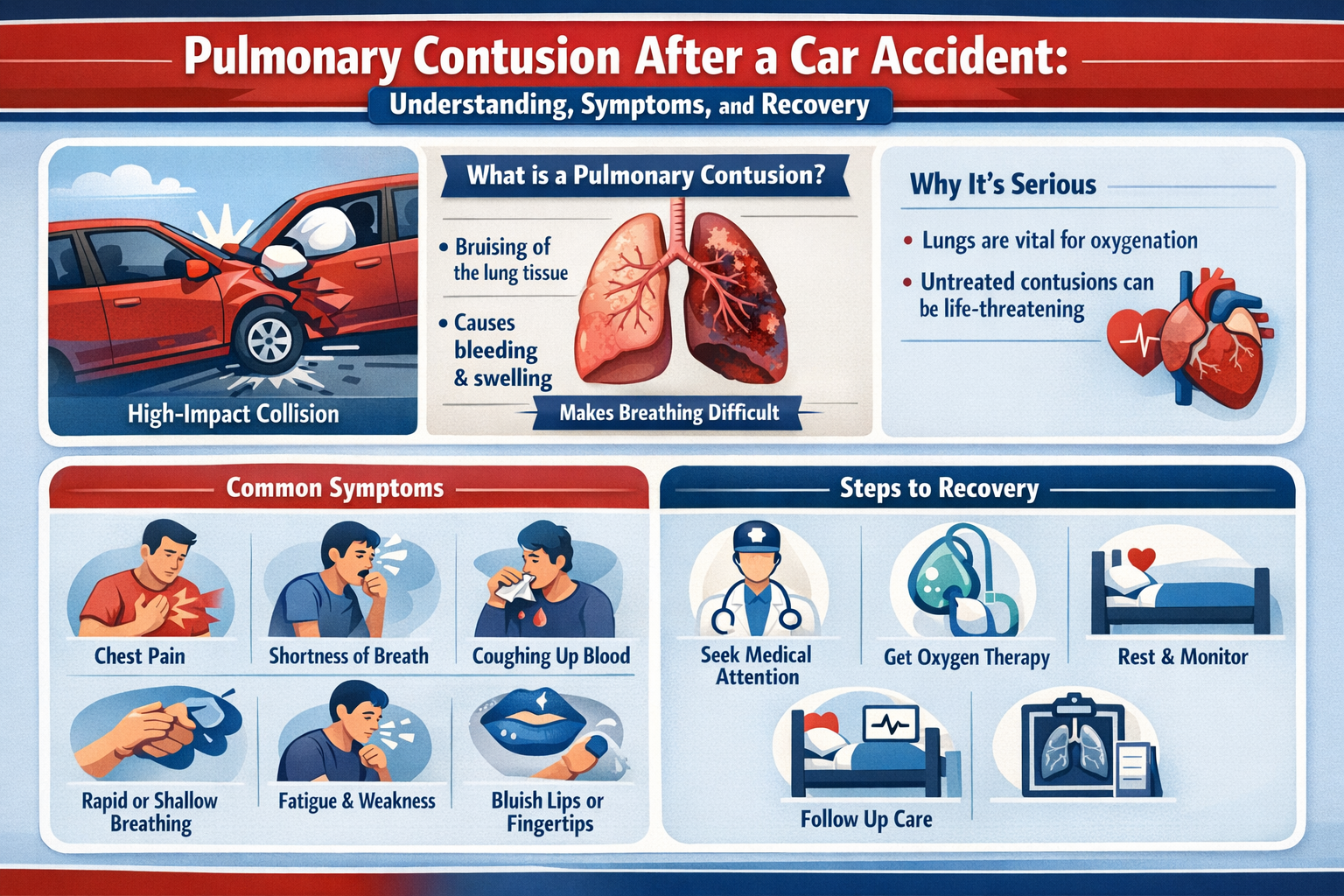
Car accidents can be sudden, traumatic events that leave lasting impacts on the body. While broken bones and visible injuries are often treated immediately, internal injuries can be more subtle and sometimes life-threatening. One such injury is a pulmonary contusion, a bruise of the lung tissue that often occurs in high-impact collisions.
Pulmonary contusions are serious because the lungs are delicate organs essential for oxygenating the blood and supporting every function in the body. Even mild contusions can cause breathing difficulties, while more severe cases may require hospitalization and intensive care. Understanding the injury, recognizing the symptoms, and seeking prompt medical attention are critical for recovery and long-term health.
What is a Pulmonary Contusion?
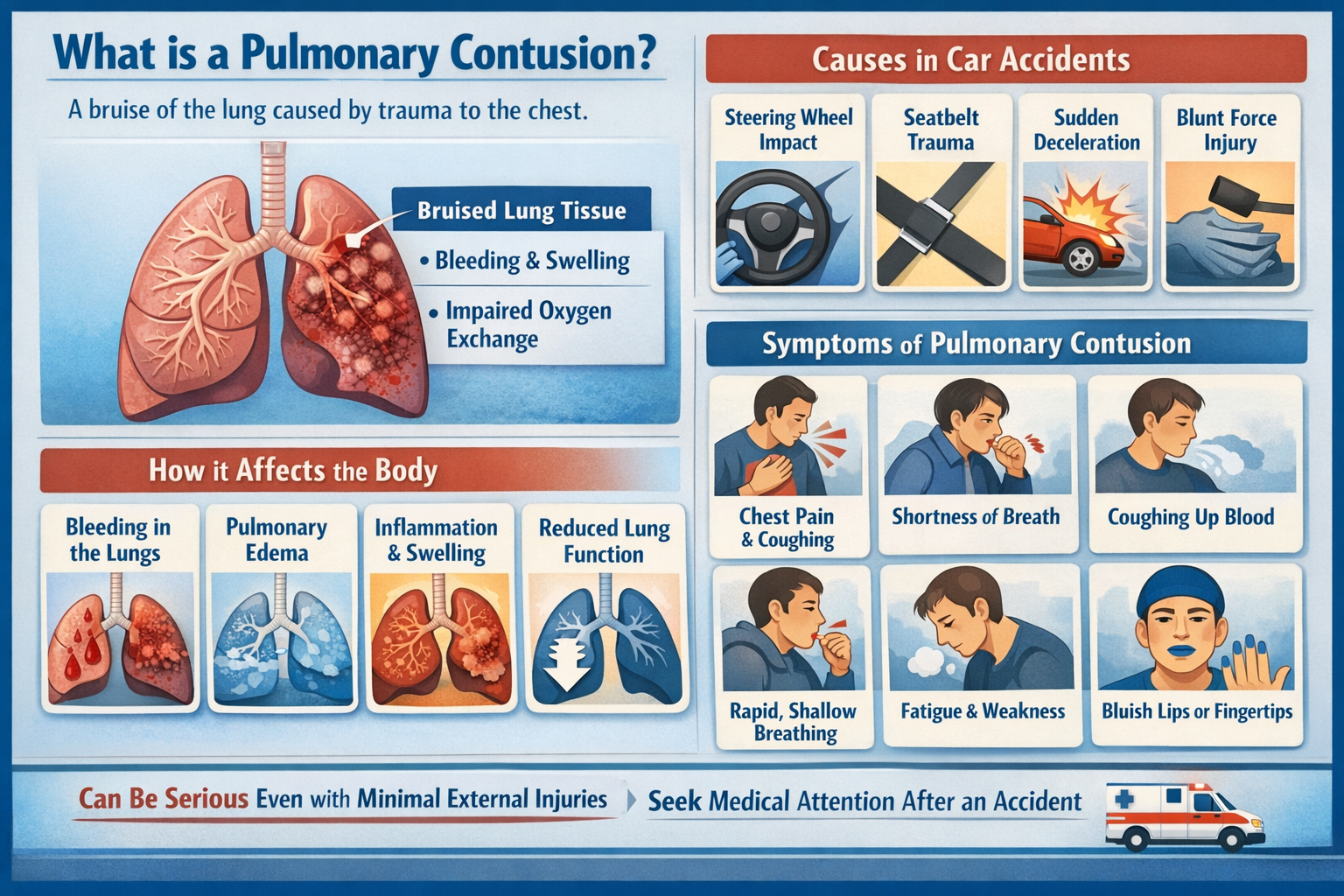
A pulmonary contusion occurs when the lung tissue is bruised due to trauma, often from the force of a car accident. Unlike a simple bruise on the skin, a pulmonary contusion involves bleeding and swelling within the lung tissue. This can interfere with oxygen exchange, making it harder for the body to get the oxygen it needs.
In a car accident, pulmonary contusions commonly result from:
- Direct impact to the chest with the steering wheel, dashboard, or airbag
- Seatbelt pressure in high-speed collisions
- Rapid deceleration that causes the lungs to slam against the chest wall
- Blunt trauma from objects inside the vehicle
Even when external injuries are minimal, internal damage like pulmonary contusions can occur. This is why anyone involved in a collision, especially one with chest impact, should be evaluated by a healthcare professional.
How Pulmonary Contusions Affect the Body
The lungs are responsible for taking in oxygen and removing carbon dioxide. A contusion disrupts this process by causing:
- Bleeding within the lung tissue
- Fluid accumulation (pulmonary edema)
- Inflammation and swelling
- Reduced lung capacity
These effects can make it difficult to breathe, especially during exertion, and can put extra strain on the heart. Severe pulmonary contusions can lead to respiratory failure if not treated promptly.
Symptoms of Pulmonary Contusion
Symptoms may appear immediately after the accident or develop gradually over 24 to 48 hours. Common signs include:
- Chest pain or tenderness, especially with breathing or coughing
- Shortness of breath or difficulty breathing
- Rapid breathing or shallow breathing
- Coughing, sometimes with blood
- Fatigue or weakness
- Bluish discoloration of the lips or fingertips (in severe cases)
Because these symptoms can overlap with other injuries, such as rib fractures or pneumothorax, accurate diagnosis is essential. Pulmonary contusions can sometimes go unnoticed until oxygen levels drop or imaging studies reveal the injury.
Diagnosis of Pulmonary Contusion
Prompt diagnosis is essential for effective treatment. Healthcare providers typically begin with a physical examination, listening for abnormal lung sounds and checking oxygen saturation. Imaging studies are crucial and may include:
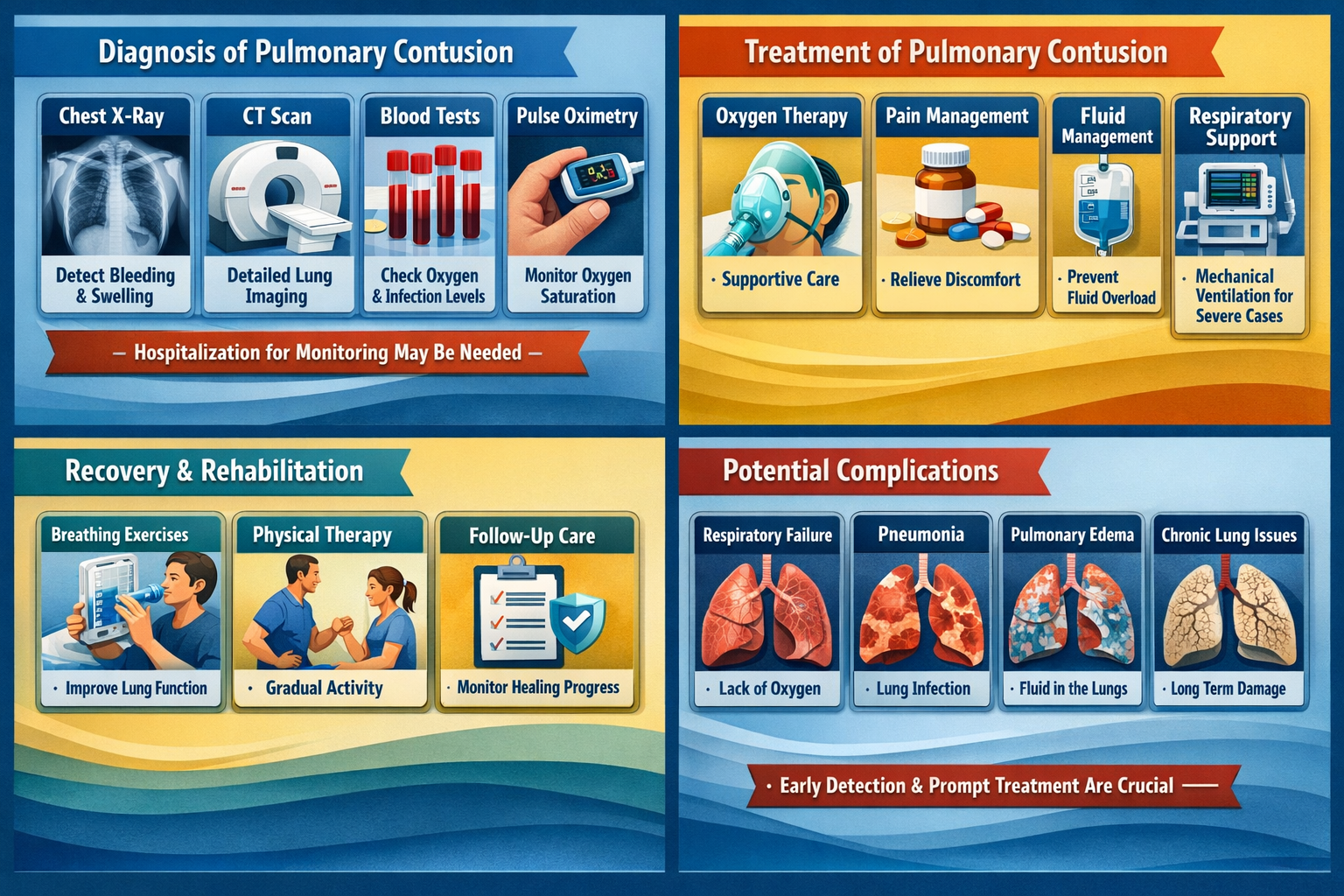
- Chest X-ray: Often used to detect bleeding or swelling in the lungs
- CT scan: Provides a detailed image of lung tissue, identifying the extent of the contusion
- Blood tests: To check oxygen levels, carbon dioxide levels, and signs of infection or inflammation
- Pulse oximetry: Monitors oxygen saturation continuously
Because pulmonary contusions can worsen over time, even patients with mild initial symptoms may require hospitalization for monitoring.
Treatment of Pulmonary Contusion
Treatment depends on the severity of the injury. Mild contusions may improve with observation and supportive care, while severe cases may require intensive medical intervention.
Supportive Care
- Oxygen therapy: Ensures that the body receives adequate oxygen while the lungs heal
- Pain management: Over-the-counter or prescription medications help patients breathe more comfortably without strain
- Fluid management: Careful monitoring prevents fluid overload, which can worsen lung function
- Respiratory support: In severe cases, mechanical ventilation may be necessary to maintain breathing
Physical Therapy and Breathing Exercises
Once the patient is stable, breathing exercises and physical therapy can help restore lung function and prevent complications such as pneumonia or atelectasis (lung collapse). Techniques may include:
- Deep breathing exercises
- Incentive spirometry (a device that encourages full lung expansion)
- Gradual physical activity as tolerated
Recovery Timeline
Recovery from a pulmonary contusion varies depending on the severity of the injury, age, and overall health. Mild contusions may resolve within one to two weeks, while severe cases may take several weeks or even months.
Hospitalization and Monitoring
Patients with moderate to severe contusions may require hospitalization for:
- Continuous oxygen monitoring
- Pain management
- Prevention of secondary infections
- Support for any other injuries sustained in the accident
Post-Hospital Care
After leaving the hospital, patients are often advised to:
- Continue breathing exercises to regain full lung function
- Avoid strenuous activities until cleared by a physician
- Monitor for signs of infection or worsening breathing
- Attend follow-up appointments to track healing progress
Potential Complications
Although many patients recover fully, pulmonary contusions can lead to complications if not managed properly:
- Respiratory failure: When the lungs cannot adequately supply oxygen to the body
- Pneumonia: Fluid accumulation and reduced lung capacity increase the risk of infection
- Pulmonary edema: Fluid buildup can worsen breathing and strain the heart
- Chronic lung issues: Rarely, severe contusions may lead to long-term scarring and reduced lung function
Early detection, supportive care, and adherence to medical guidance are essential to reduce the risk of complications.
Patient Stories
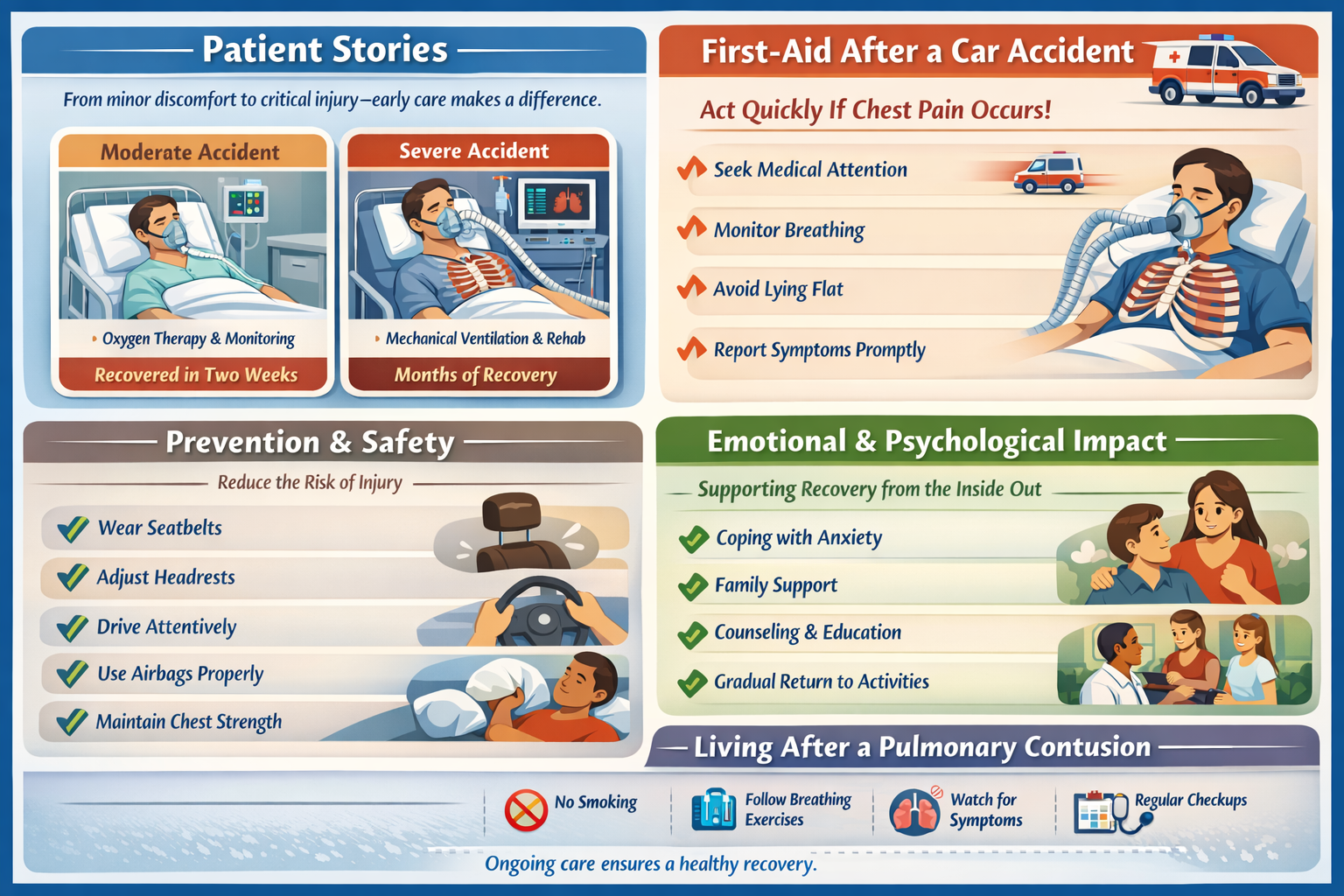
Consider a patient involved in a moderate-speed collision. They walked away from the accident with only minor bruises but began experiencing chest discomfort and shortness of breath the next day. Imaging revealed a pulmonary contusion. With oxygen therapy, pain management, and close monitoring in the hospital, the patient gradually regained full lung function within two weeks.
Another patient suffered a high-impact collision and developed a severe pulmonary contusion along with rib fractures. They required mechanical ventilation for several days and extensive follow-up care. Over the following months, they gradually returned to daily life, incorporating breathing exercises and light physical activity under medical supervision. These examples highlight the importance of early evaluation and comprehensive care.
First-Aid and Immediate Steps After a Car Accident
If a pulmonary contusion is suspected following a car accident, it is essential to act quickly:
- Seek immediate medical attention, even if chest pain seems mild
- Monitor breathing and report any difficulty or shortness of breath to medical personnel
- Avoid lying flat for extended periods if breathing is difficult
- Do not ignore symptoms, even if other injuries appear more severe
Prompt evaluation and monitoring can prevent complications and improve recovery outcomes.
Prevention and Safety
While car accidents cannot always be prevented, certain measures can reduce the risk of pulmonary contusions:
- Wear seatbelts properly, ensuring the lap and shoulder belts fit correctly
- Adjust headrests to the proper height
- Drive attentively, avoiding distractions or impaired driving
- Use airbags correctly, keeping a safe distance from deployment zones
- Maintain chest strength through exercise to better absorb impact forces
These precautions can minimize injury severity in the event of a collision.
Emotional and Psychological Impact
Recovering from a pulmonary contusion is not just physical. Many patients experience anxiety, stress, or fear after a car accident, especially when breathing is affected. Difficulty performing daily tasks or returning to work can add to emotional strain.
Support from family, counseling, and patient education can help individuals feel more confident and empowered during recovery. Understanding the injury, knowing what to expect, and having a clear care plan can significantly reduce anxiety and improve overall well-being.
Living After a Pulmonary Contusion
With proper care, many patients recover fully from a pulmonary contusion. Ongoing attention to lung health, regular checkups, and gradual return to physical activity are crucial. Patients are advised to:
- Avoid smoking, which can impede lung healing
- Follow breathing exercises and physical therapy recommendations
- Monitor for lingering symptoms, such as shortness of breath or fatigue
- Report any signs of infection or worsening breathing immediately
Living with awareness and care ensures that the lungs heal properly and reduces the risk of long-term issues.
A Compassionate Perspective
Pulmonary contusions can be frightening, especially because the injury is internal and not always visible. However, with timely evaluation, careful monitoring, and appropriate treatment, patients can recover fully and return to normal life.
Even mild injuries should be taken seriously, as pulmonary contusions can worsen without warning. If you or a loved one experience chest trauma after a car accident, seeking medical care promptly is the best way to protect your lungs and overall health.
Your lungs are essential to every aspect of life, from simple activities like walking and talking to vital bodily functions. Taking care of them after trauma ensures not only physical recovery but also peace of mind.