

Why Physical Therapy After a Crash Can Make or Break Your Recovery
Physical therapy after crash injuries is a specialized rehabilitation approach that helps restore movement, reduce pain, and prevent long-term complications through targeted exercises, manual therapy, and personalized treatment plans.
Quick Answer: What You Need to Know
- Start Early: Begin PT within 72 hours to a week for best results
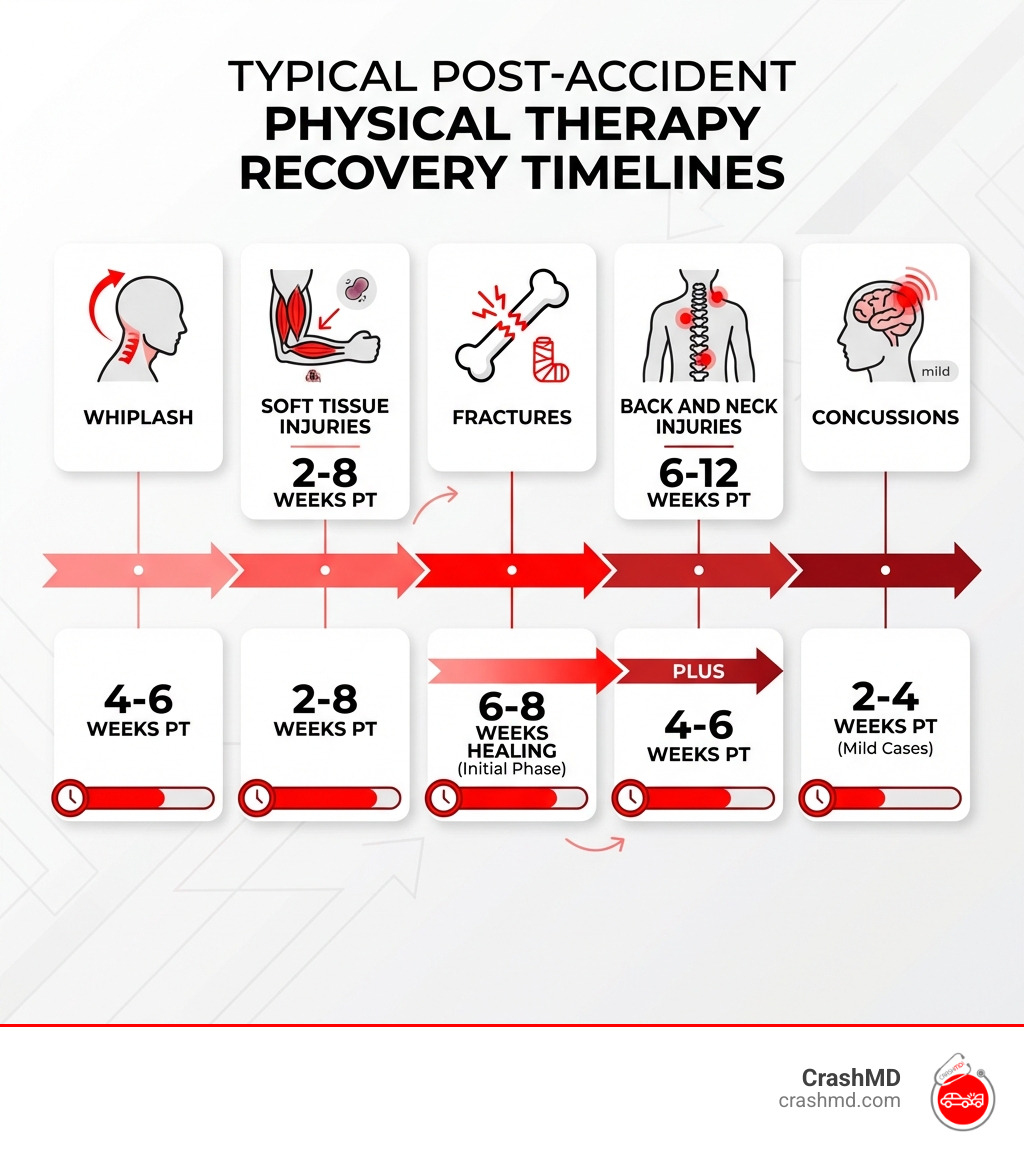
- Common Treatment Timeline: 2-12 weeks depending on injury severity
- Key Benefits: Pain reduction, restored mobility, prevention of chronic issues
- What It Treats: Whiplash, back pain, soft tissue injuries, fractures, concussions
- Expected Outcome: Faster healing, improved function, reduced reliance on pain medication
Nearly 6 million car accidents happen every year in the United States, with approximately 2.5 million people sustaining injuries. If you’ve been in a crash, you might feel fine immediately afterward—but that doesn’t mean you are.
Your body’s response to trauma is complex. Adrenaline can mask pain for hours or even days. Inflammation builds slowly. Muscle tension develops as your body compensates for hidden injuries.
Many accident victims make a critical mistake: they wait to see if the pain goes away on its own. Sometimes it does. But often, delayed treatment allows acute injuries to become chronic conditions that are much harder to resolve.
Physical therapy addresses this problem head-on. It’s not just about feeling better today—it’s about preventing problems that could plague you for months or years. A qualified physical therapist can identify injuries before they develop into long-term issues, design a personalized recovery plan, and help you document your injuries for insurance and legal purposes.
The difference between starting PT promptly and waiting weeks can be measured in months of recovery time and thousands of dollars in additional medical costs.
Why Early Physical Therapy is Your First Step to Recovery
A car accident is a jarring event. While immediate medical needs are the first priority, full recovery often depends on timely physical therapy after crash injuries. At our locations in Arizona, Nevada, Texas, Oklahoma, and California, we’ve seen countless patients benefit from starting rehabilitation early. Why is it so crucial?
After trauma, your body compensates for injuries by overworking other areas, which can lead to new pain, muscle imbalances, and prolonged recovery. Early intervention with physical therapy after crash prevents these compensatory patterns from becoming ingrained. It addresses problems before they become chronic and harder to manage.
Common injuries like whiplash, back pain, and concussions can become persistent if not treated promptly. Early physiotherapy aims to reduce inflammation, restore mobility, and prevent excessive scar tissue, which can cause chronic pain. Waiting for pain to resolve on its own is risky, as hidden injuries can appear days or weeks later, turning a quick fix into a long-term struggle.
Scientific research on whiplash consistently highlights the importance of early mobilization and exercise over prolonged rest for better outcomes. This isn’t just about pain relief; it’s about restoring your body’s normal function and preventing long-term complications.
Common Injuries That Benefit from Physical Therapy After a Crash
Car accidents can inflict a wide range of injuries that respond exceptionally well to a custom physical therapy after crash program. Our expertise at CrashMD covers the most common of these, ensuring you receive comprehensive care.
Whiplash: A notorious car accident injury, whiplash occurs when a sudden jolt strains neck muscles and ligaments. Symptoms include neck pain, stiffness, headaches, and dizziness. Physiotherapy uses gentle mobilization, strengthening, and posture correction to restore neck mobility. Recovery typically takes 4 to 6 weeks, though severe cases can take longer.
Back Pain: A collision’s impact can cause anything from muscle strains to herniated discs. Back pain can be debilitating, affecting daily activities. Physiotherapy manages pain, improves mobility, and strengthens core muscles that support the spine. Recovery for back and neck injuries typically takes 6 to 12 weeks.
Soft Tissue Injuries: These include sprains and strains to muscles, tendons, and ligaments, causing pain, swelling, and reduced function. Physiotherapy uses manual therapy, targeted exercises, and other modalities to promote healing. Recovery can range from 2 to 8 weeks.
Shoulder Injuries: Bracing for impact can injure shoulders, causing rotator cuff tears, strains, or dislocations. This leads to pain and limited motion. Physiotherapy helps restore strength, flexibility, and proper joint mechanics. Recovery can take 8 to 12 weeks, or longer with surgery.
Knee Injuries: Dashboard impact or twisting can cause ligament sprains (ACL/MCL tears) or meniscal injuries. Physiotherapy reduces swelling, improves stability, and strengthens surrounding muscles to restore function. Recovery can range from 6 weeks to several months.
Fractures or Broken Bones: After initial immobilization (casts, surgery), physiotherapy is crucial. It helps regain strength, flexibility, and range of motion, preventing stiffness and muscle atrophy. After the bone heals (6-8 weeks), PT typically lasts another 4 to 6 weeks.
Concussions: A mild traumatic brain injury from a jolt to the head, concussions cause headaches, dizziness, and balance issues. Neurological physiotherapy is vital for addressing these symptoms. Mild cases may resolve in 2 to 4 weeks, but severe ones can require months of rest and PT. The American Physical Therapy Association (APTA) provides detailed guidelines.
The Benefits of Starting PT Within 72 Hours
Starting physical therapy after crash as soon as possible—ideally within 72 hours to a week—offers significant advantages that dramatically alter your recovery trajectory.
- Accelerated Healing: Early, gentle movement guided by a physical therapist stimulates blood flow to injured tissues, delivering essential nutrients and oxygen for faster repair.
- Reduced Scar Tissue Formation: Excessive or improperly formed scar tissue can restrict movement and cause chronic pain. Early physiotherapy helps align collagen fibers, leading to more flexible and functional scar tissue.
- Effective Pain Management: Physiotherapy uses techniques like manual therapy, gentle exercises, and heat/cold therapy to alleviate pain and reduce inflammation, often without relying on medication.
- Improved Long-Term Outcomes: Addressing injuries promptly prevents them from becoming chronic, giving you a better chance at full recovery and a higher quality of life.
- Preventing Acute Injuries from Becoming Chronic: Minor aches can become persistent if underlying issues like muscle imbalances aren’t corrected. Early PT identifies and treats these acute problems before they become chronic and harder to resolve.
- Restoring Function Faster: The sooner you start moving correctly, the sooner you regain your full range of motion and strength, allowing you to return to daily activities without pain.
- Documenting Injuries Early for Legal and Insurance Purposes: Early physiotherapy provides crucial, objective evidence of your injuries and their impact. This detailed record from CrashMD is invaluable for insurance claims and any potential legal action, strengthening your case.
Your Guide to Physical Therapy After a Crash
Starting on physical therapy after crash injuries might feel overwhelming, but we’re here to guide you every step of the way. Our approach at CrashMD is built on personalized treatment plans and patient-centered goals. We believe your recovery journey should be a collaborative process, with you at the heart of every decision.

What Happens During Your First PT Appointment?
Your first physical therapy after crash appointment is a crucial step in your recovery. We want you to feel comfortable and informed, so here’s what you can expect:
- Medical History Review and Discussion of the Accident: We’ll start by talking. We want to understand the details of your car accident, including the type of impact and how you felt immediately afterward. We’ll also dig into your medical history, any pre-existing conditions, and how your current symptoms are affecting your daily life. This helps us understand the full picture of your health before tailoring a plan.
- Comprehensive Physical Evaluation: This is where we put on our detective hats! Your physical therapist will perform a thorough examination, which typically includes:
- Range of Motion Tests: We’ll gently move your affected body parts to assess how far they can move in different directions and identify any stiffness or limitations.
- Strength Testing: We’ll evaluate the strength of your muscles to pinpoint any weaknesses that may have resulted from the injury or compensation patterns.
- Posture Analysis: Your posture can reveal a lot about muscle imbalances and how your body is handling the injury.
- Palpation: We’ll gently feel around the injured areas to locate tenderness, muscle spasms, or swelling.
- Creating a Personalized Treatment Plan: Based on our findings from the evaluation and your recovery goals, we’ll develop a customized treatment plan. This plan will outline the specific therapies, exercises, and modalities we’ll use, the frequency of your sessions, and what you can expect in terms of progress. It’s a roadmap designed just for you.
- Initial Pain Relief Techniques: Often, we’ll start with immediate pain-relieving techniques during your first session. This could involve gentle manual therapy, ice or heat application, or electrical stimulation (TENS) to help reduce discomfort and inflammation. We want you to leave feeling a bit better than when you arrived!
- Education and Home Exercise Introduction: You’ll also receive education on your condition, how to manage pain at home, and perhaps some gentle exercises to start practicing. This empowers you to actively participate in your recovery from day one.
Common PT Exercises and Techniques
Our approach to physical therapy after crash injuries involves a diverse toolkit of techniques, all aimed at restoring your function and reducing pain. Here are some of the most common methods we employ:
- Manual Therapy: This hands-on approach involves your therapist using their hands to mobilize joints, manipulate soft tissues, and reduce muscle tension. Techniques include:
- Joint Mobilization: Gentle, rhythmic movements applied to joints to improve their range of motion and reduce stiffness.
- Myofascial Release: Applying sustained pressure to release tightness and pain in the fascia, the connective tissue surrounding muscles.
- Therapeutic Exercises: These are targeted movements designed to improve strength, flexibility, balance, and endurance. Examples include:
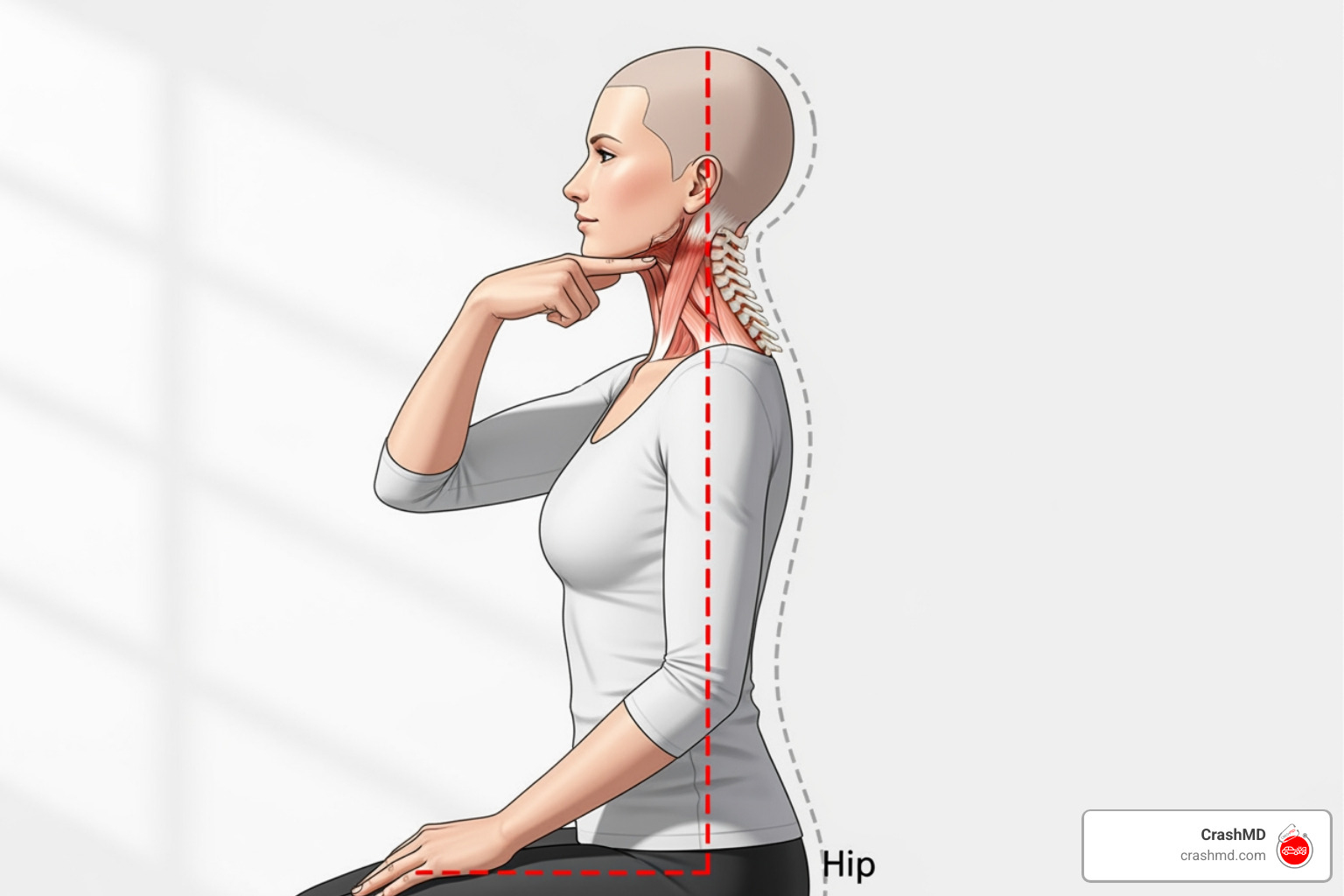
- Chin Tucks: Excellent for addressing neck and upper back tension often associated with whiplash.
- Side to Side Neck Rotations: Improves neck mobility and reduces stiffness.
- Shoulder Circles: Improves range of motion in the shoulder joint.
- Shoulder Squeezes: Helps alleviate tension in the upper back and shoulders.
- Heel Slides: Great for improving hip and knee range of motion, especially beneficial for knee injuries.
- Modalities: We also use various tools to complement manual therapy and exercises:
- Heat Therapy: Applied to relax muscles, increase blood flow, and alleviate stiffness.
- Cold Therapy (Cryotherapy): Used to reduce inflammation, swelling, and numb painful areas.
- Electrical Stimulation (TENS/EMS): Transcutaneous Electrical Nerve Stimulation (TENS) helps block pain signals, while Electrical Muscle Stimulation (EMS) can help re-educate weakened muscles.
Maximizing Recovery with Physical Therapy After a Crash
Your dedication is a powerful tool in your recovery journey. To truly maximize the benefits of physical therapy after crash treatment, we encourage you to be an active and engaged participant.
- Patient Commitment: Your commitment to the process is paramount. Showing up for your sessions, listening to your therapist’s guidance, and believing in your ability to heal makes a significant difference.
- Following Your Home Exercise Program: The exercises and stretches we prescribe for you to do at home are not optional extras; they are a vital extension of your in-clinic treatment. Consistent home care accelerates healing and improves overall recovery.
- Active Participation: Don’t be a passive recipient of therapy. Ask questions, provide feedback, and actively engage in every exercise and technique. Your body is unique, and your insights help us refine your plan.
- Open Communication with Your Therapist: If something feels off, if you’re experiencing new pain, or if an exercise is too challenging, tell us! Open communication allows us to adjust your treatment plan, ensuring it remains safe, effective, and custom to your evolving needs.
- Proper Nutrition and Hydration: Your body needs fuel to heal. A healthy, balanced diet rich in nutrients supports tissue repair and reduces inflammation. Staying well-hydrated is also crucial for overall cellular function.
- Importance of Rest: While activity is important, adequate rest allows your body to repair and rebuild. Don’t push yourself too hard, especially in the early stages of recovery.
- Managing Expectations: Recovery is rarely a straight line. There will be good days and challenging days. It’s important to manage your expectations, celebrate small victories, and stay patient with the process. We’re here to support you through the ups and downs.
Several factors influence your recovery time, including the severity and type of your injuries, your age, your overall health, and your adherence to the treatment plan. While some minor soft tissue injuries might resolve in a few weeks, more complex issues like fractures or severe back injuries could take several months. Our goal is always to get you back to your best self as efficiently and safely as possible.
A Holistic Approach: How PT Heals More Than Just the Body
At CrashMD, we understand that a car accident affects more than just your physical body. The pain, limited mobility, and disruption to your daily life can take a significant toll on your mental and emotional well-being. That’s why our physical therapy after crash programs accept a holistic approach, recognizing the profound connection between your physical and psychological health.
Drug-Free Pain Management Strategies
One of the primary benefits of physical therapy after crash injuries is its ability to help you manage and reduce pain effectively, often decreasing your reliance on medication.
- How PT Reduces Pain: Physical therapy works on multiple fronts to alleviate discomfort. It helps to:
- Release Endorphins: Exercise, even gentle movements, triggers the release of endorphins—your body’s natural painkillers and mood elevators.
- Reduce Muscle Tension: Manual therapy and stretching techniques target tight, spasming muscles that often contribute to pain.
- Improve Circulation: Increased blood flow to injured areas helps flush out inflammatory compounds and delivers healing nutrients.
- Decrease Inflammation: Specific modalities and exercises can help control and reduce inflammatory responses in injured tissues.
- Techniques like TENS and Manual Therapy: As mentioned, electrical stimulation (TENS) can help block pain signals, providing temporary relief, while manual therapy directly addresses tissue restrictions and pain points.
- Reducing Reliance on Pain Medication: By effectively managing pain through these natural and therapeutic means, many patients find they can gradually reduce their dependence on pain medications, avoiding potential side effects and long-term concerns. This is a significant step towards a truly drug-free recovery.
Supporting Your Mental and Emotional Well-being
The aftermath of a car accident can leave you feeling anxious, stressed, or even depressed. Our physical therapy after crash programs are designed to address these often-overlooked aspects of recovery.
- Overcoming Fear of Movement (Kinesiophobia): After an injury, it’s natural to fear moving in certain ways, worrying that you might cause more pain or damage. Our therapists gently guide you through safe, controlled movements, helping you regain confidence in your body’s capabilities and overcome this fear.
- Rebuilding Confidence: As you regain strength and mobility, your confidence in performing daily tasks and returning to your normal life naturally improves. This sense of accomplishment is incredibly empowering.
- The Psychological Benefits of a Structured Routine: Injury can throw your life into chaos. A structured physical therapy routine provides predictability and a sense of control, which can be very reassuring for mental well-being.
- Stress Reduction Through Exercise: Physical activity is a proven stress reliever. Even gentle exercises can help clear your mind, reduce anxiety, and improve your mood.
- Addressing Anxiety and PTSD Symptoms: While physical therapists are not mental health professionals, the routine, physical activity, and gradual return to function provided by PT can indirectly alleviate symptoms of anxiety and even post-traumatic stress disorder (PTSD) that can follow a traumatic event. For more detailed information on addressing psychological aspects of trauma, the National Institute for Health and Care Excellence (NICE) provides extensive evidence on psychological and psychosocial interventions for people with complex rehabilitation needs after traumatic injury. We ensure our patients have access to integrated care that supports all aspects of their recovery.
Making Informed Choices for Your Recovery
Navigating the recovery process after a car accident can be complex. Understanding the different aspects of post-accident care, from immediate medical attention to long-term rehabilitation, is key to making informed choices. We emphasize the importance of integrated, patient-centered approaches that consider your unique needs and goals.
At CrashMD, we not only provide expert pain management and custom treatment plans, but we also ensure meticulous documentation of your injuries. This is a crucial step, advocating for our patients and providing comprehensive records for legal cases, ensuring your full recovery is prioritized before any legal action is finalized. Our goal is to empower you with the knowledge and care needed to reclaim your health and well-being.
Frequently Asked Questions about Post-Accident PT
We often hear similar questions from patients in our California, Arizona, Nevada, Texas, and Oklahoma offices who are starting their journey with physical therapy after crash injuries. Here are some of the most common ones:
How long does physical therapy take after a car accident?
The duration of physical therapy after crash injuries varies significantly. It depends on several factors, including the type and severity of your injuries, your overall health, your age, and your commitment to the treatment plan.
- Minor sprains or strains: These soft tissue injuries might require a few weeks of therapy, typically 2 to 8 weeks.
- Whiplash injuries: Most people with whiplash see significant improvement within 4 to 6 weeks with consistent physiotherapy. However, more severe cases could take up to 12 weeks or longer.
- Back and neck injuries: These can range from 6 to 12 weeks, with severe or chronic cases extending beyond that.
- Fractures or broken bones: After the initial healing period (6-8 weeks), you might need an additional 4 to 6 weeks of physiotherapy to regain strength and mobility.
- Mild concussions: Recovery can be relatively quick, around 2 to 4 weeks, but more severe concussions may require several months of rest and physiotherapy.
It’s important to remember that these are general estimates. Your physical therapist will assess your progress regularly and adjust your treatment plan accordingly. Many people see significant improvements within the first few weeks, but full recovery, especially for more severe injuries, might take a few months.
Will my insurance cover physical therapy after a crash?
In most cases, yes. Auto insurance policies in many states, including those where CrashMD operates, often include medical benefits sections such as Medical Payments (MedPay) or Personal Injury Protection (PIP). These cover medical expenses, including physical therapy after crash injuries, regardless of who was at fault.
- Auto Insurance: Your auto insurance policy is usually the primary payer for accident-related medical treatment. We can help you understand your specific coverage and handle the billing directly with your insurance company.
- Health Insurance: If your auto insurance benefits are exhausted, or if you don’t have MedPay/PIP, your health insurance may cover physical therapy, though deductibles and co-pays would apply.
- Importance of a Doctor’s Referral and Proper Documentation: To ensure your physical therapy is covered, it’s crucial to have a doctor’s referral for treatment. Furthermore, thorough documentation of your injuries and the necessity of physical therapy by your medical providers, including your physical therapist, is vital for successful claims. As CrashMD, we specialize in providing this meticulous documentation, strengthening your insurance claim and any potential legal case.
We recommend contacting your insurance provider as soon as possible after an accident to understand your specific benefits and coverage limitations.
Is physical therapy supposed to be painful?
This is a common concern, and it’s a great question! The goal of physical therapy after crash injuries is to reduce your pain and restore function, not to cause more pain.
- “Good Pain” vs. “Bad Pain”: It’s normal to experience some discomfort or soreness during and after your physical therapy exercises. We often refer to this as “good pain”—it’s the sensation of muscles working, stretching, and adapting. This type of discomfort should be manageable and typically subsides within a day.
- Sharp or Increasing Pain is Not Normal: If you experience sharp, shooting, or increasing pain during an exercise, or if your pain worsens significantly and lasts for an extended period after a session, that’s “bad pain.” You should immediately communicate this to your physical therapist.
- Constant Communication is Key: Your physical therapist will continuously monitor your pain levels and adjust the intensity and type of exercises based on your feedback. We encourage open and honest communication about how you’re feeling. Never hesitate to speak up if something doesn’t feel right. Our priority is your safety and effective recovery.
Take Control of Your Recovery Journey
Experiencing a car accident can be a challenging and unsettling time, but your path to recovery doesn’t have to be. By understanding the profound benefits of physical therapy after crash injuries and taking proactive steps, you can significantly influence your healing trajectory.
We’ve seen how early intervention, personalized care, and dedicated effort can transform recovery, leading to faster healing, reduced pain, and a return to the activities you love. Physical therapy isn’t just about fixing the physical damage; it’s about rebuilding your confidence, managing pain without excessive medication, and supporting your overall mental and emotional well-being.
At CrashMD, we are dedicated to providing expert guidance and specialized care for accident victims across Arizona, Nevada, Texas, Oklahoma, Southern California, and Northern California. We stand by our commitment to advocating for our patients and carefully documenting your injuries, ensuring you have the comprehensive support needed for both your physical recovery and any legal proceedings.
Don’t let pain linger or potential complications take root. Take control of your recovery journey today. Your path back to a pain-free, active life starts here.