

Understanding the First Steps After a Head Injury
Traumatic brain injury assessment is the comprehensive process medical professionals use to evaluate the severity and impact of a head injury. This assessment determines the extent of brain damage, guides immediate treatment decisions, and shapes the long-term recovery plan.
Key Components of TBI Assessment:
- Initial Severity Evaluation – Using the Glasgow Coma Scale to measure consciousness levels
- Neuroimaging – CT scans and MRIs to detect bleeding, fractures, and tissue damage
- Physical Examination – Testing motor function, reflexes, and coordination
- Cognitive Testing – Evaluating memory, attention, and decision-making abilities
- Symptom Documentation – Recording headaches, dizziness, confusion, and other complaints
- Long-term Monitoring – Tracking recovery and functional abilities over time
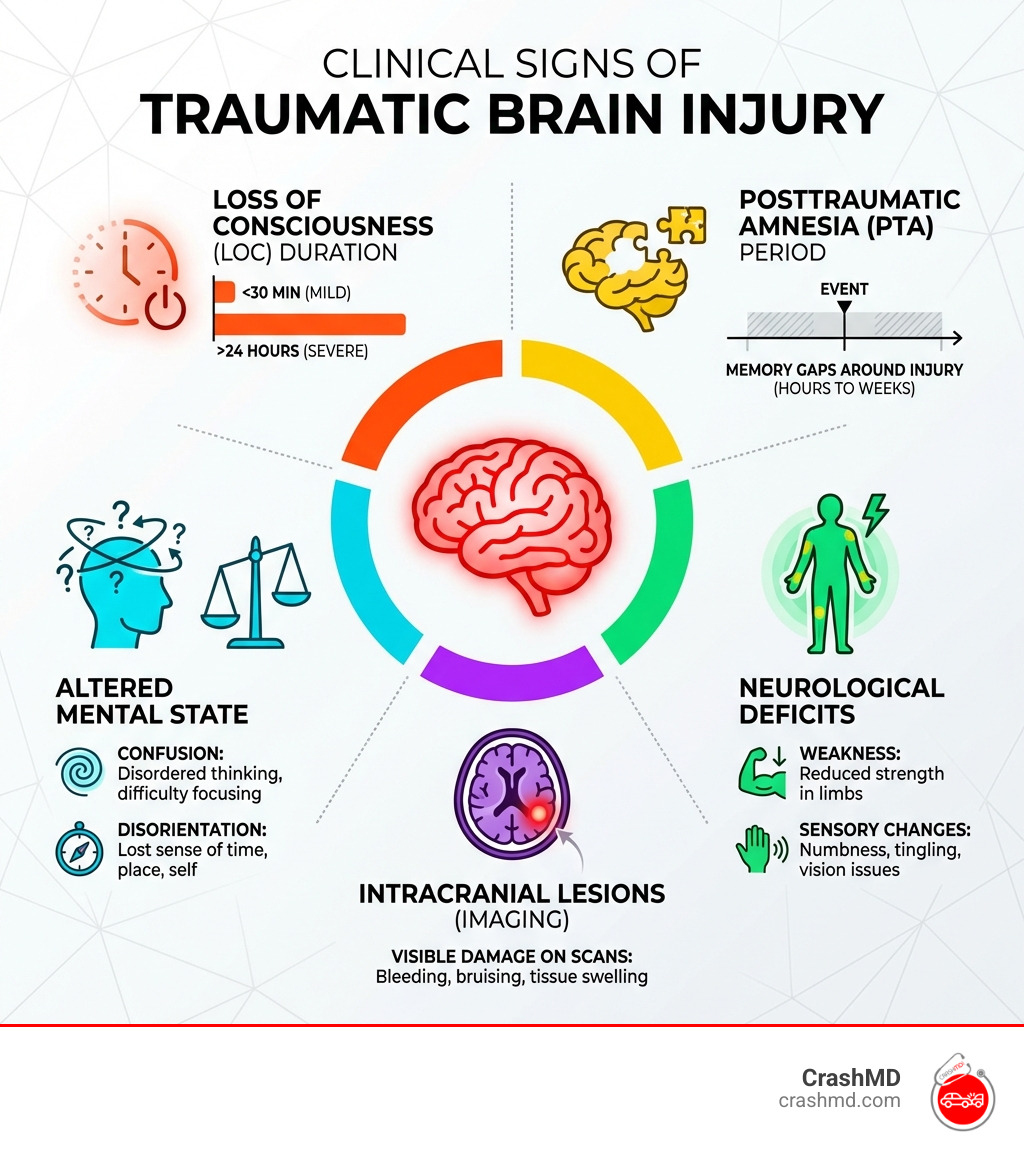
When you or a loved one experiences a head injury, the assessment process begins immediately. A traumatic brain injury occurs when an external force—like the impact from a car accident—causes structural injury or disrupts normal brain function. The signs can range from obvious symptoms like loss of consciousness to subtler changes in mental state, memory loss, or neurological problems.
The primary goals of traumatic brain injury assessment are straightforward: determine how severe the injury is, identify all affected areas of brain function, and create a treatment plan custom to your specific needs. This isn’t a one-time evaluation. Assessment continues from the emergency room through rehabilitation and beyond, adapting as your condition changes.
Medical professionals look for specific clinical signs that indicate a TBI has occurred. These include any period of unconsciousness (even brief), memory gaps around the time of injury, confusion or disorientation, physical symptoms like weakness or vision changes, and evidence of damage on brain scans. The presence and severity of these signs help doctors classify your injury as mild, moderate, or severe—a critical distinction that shapes every aspect of your care.
Understanding this assessment process empowers you to participate actively in your recovery and ensures you receive appropriate treatment at every stage.
The Immediate Evaluation: What Happens in the Emergency Room?
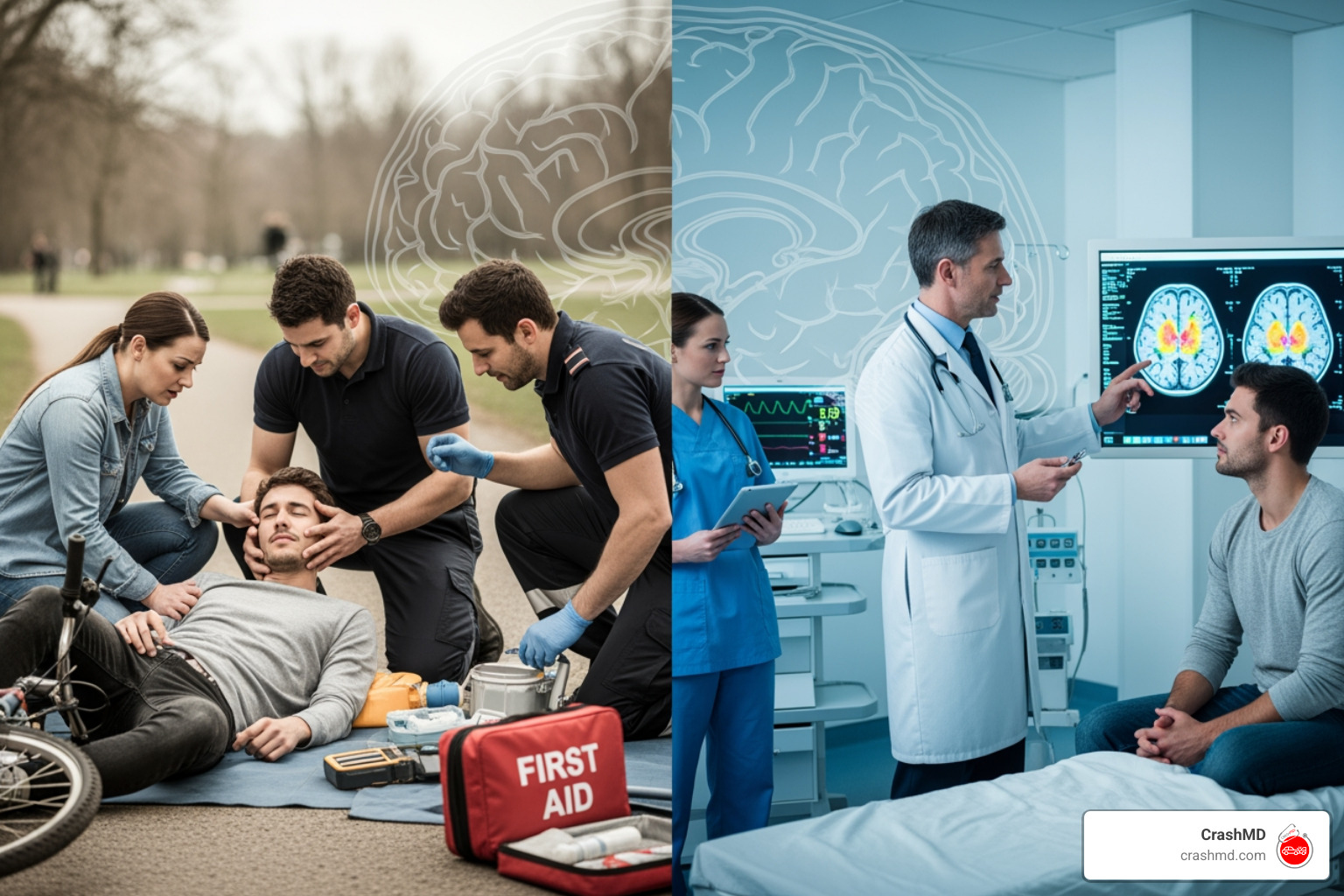
When a traumatic brain injury (TBI) is suspected, the immediate evaluation focuses on rapidly assessing the patient’s condition and ensuring medical stability. This initial assessment, often performed by first responders and emergency room physicians, is critical because the consequences of a severe TBI can worsen quickly without prompt treatment. Our priority is to prevent further injury and stabilize the patient.
A crucial component of this early evaluation is determining the patient’s level of consciousness (LOC) and assessing the initial severity of the brain injury. This helps us make immediate medical decisions and monitor for any rapid changes. Information gathered from witnesses, family members, or first responders about how the injury occurred, whether there was a loss of consciousness, and any observed changes in alertness or coordination is incredibly valuable during this phase.
Key Tools for Short-Term Traumatic Brain Injury Assessment
Several standardized tools help us quickly and objectively assess a patient’s condition in the immediate aftermath of a TBI. These short-term assessments are designed to provide a snapshot of neurological function and consciousness.
Glasgow Coma Scale (GCS)
The Glasgow Coma Scale (GCS) is arguably the most widely used and recognized tool for evaluating a person’s level of consciousness and the severity of a brain injury. Developed in 1974, it’s a 15-point test that assesses three key areas:
- Eye Opening (E): How the patient opens their eyes in response to stimuli (scored 1-4).
- Verbal Response (V): The patient’s ability to communicate verbally (scored 1-5).
- Motor Response (M): The patient’s motor movements in response to commands (scored 1-6).
These scores are used individually and collectively. A higher score (up to 15) indicates a less severe injury, while lower scores (down to 3) suggest a more severe brain injury. The GCS is typically used very early in the treatment process to guide emergency care and track initial progress.
Rancho Los Amigos Level of Cognitive Functioning Scale
As a patient stabilizes, especially if they have experienced altered consciousness, the Rancho Los Amigos Level of Cognitive Functioning Scale becomes useful. This scale describes an individual’s cognitive functioning and response to stimuli through ten distinct levels, ranging from no response to purposeful, appropriate functioning. It helps us understand the progression of cognitive recovery and communicate effectively about a patient’s current state.
JFK Coma Recovery Scale-Revised
For individuals experiencing a disorder of consciousness, the JFK Coma Recovery Scale-Revised is a specialized assessment. It carefully evaluates auditory, visual, motor, and automatic functions, providing a more detailed picture of a patient’s potential for recovery and their responsiveness to the environment.
Here’s a quick comparison of these vital short-term assessment tools:
| Assessment Tool | Purpose | Key Measures | Typical Use |
|---|---|---|---|
| Glasgow Coma Scale (GCS) | Evaluates level of consciousness and injury severity | Eye opening, verbal response, motor response | Emergency settings, initial assessment, monitoring |
| Rancho Los Amigos Scale | Describes cognitive functioning and response to stimuli | 10 levels of cognitive/behavioral recovery | Tracking cognitive recovery in acute/post-acute care |
| JFK Coma Recovery Scale-Revised | Assesses auditory, visual, motor, and automatic functions | Responsiveness to specific stimuli, commands, and communication | Patients with disorders of consciousness |
The Role of Neuroimaging in Diagnosis
Neuroimaging plays an indispensable role in diagnosing and assessing traumatic brain injuries. These advanced imaging techniques allow medical professionals to visualize the brain’s structures and identify potential damage.
Computerized Tomography (CT) Scan
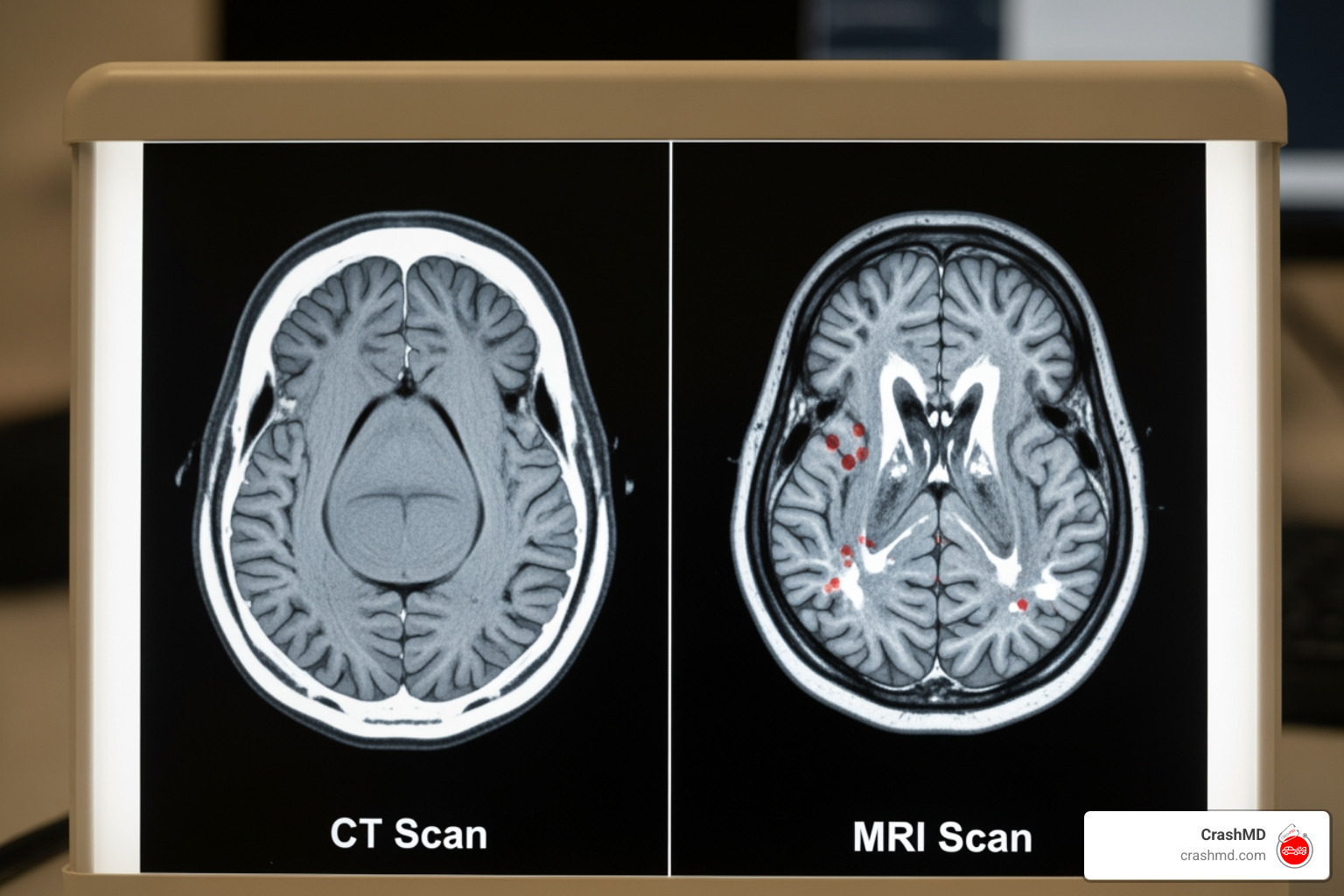
For suspected TBIs, a Computerized Tomography (CT) scan is usually the first imaging test performed in an emergency room. A CT scan uses X-rays to create detailed cross-sectional images of the brain. It can quickly visualize:
- Fractures: Breaks in the skull.
- Hemorrhage: Bleeding in the brain.
- Hematomas: Blood clots, which can put pressure on brain tissue.
- Contusions: Bruised brain tissue.
- Swelling: Accumulation of fluid that can increase intracranial pressure.
CT scans are invaluable for their speed and ability to detect acute, life-threatening conditions.
Magnetic Resonance Imaging (MRI)
Magnetic Resonance Imaging (MRI) uses powerful radio waves and magnets to create a more detailed view of the brain than a CT scan. This test may be used after a person’s condition stabilizes, or if symptoms don’t improve soon after the injury, to look for subtle damage that might not be visible on a CT. MRI is superior for identifying smaller lesions, diffuse axonal injury, and other structural changes that can have long-term implications.
While these imaging techniques are powerful, not all brain injuries, especially mild ones, will show up on a standard CT or MRI. Emerging blood tests are also being researched as a way to detect mild concussions and even predict recovery times, offering a glimpse into the future of TBI diagnosis.
For more information on how healthcare providers diagnose TBI, you can refer to resources like How healthcare providers diagnose traumatic brain injury (TBI)?.
The Comprehensive Traumatic Brain Injury Assessment Process
A comprehensive traumatic brain injury assessment extends beyond the immediate emergency response. It’s an ongoing process that involves a multidisciplinary team of specialists working together to understand the full scope of the injury and its impact. This team might include neurologists, neuropsychologists, physical therapists, occupational therapists, speech-language pathologists, and social workers.
Central to this process is thorough information gathering. This includes a detailed patient history, which covers everything from pre-existing medical conditions to the exact circumstances of the injury. We also rely heavily on subjective symptom reports from the patient and their family, combined with objective findings from physical and cognitive examinations. Documenting all these findings carefully is crucial, not just for guiding treatment but also for tracking recovery and providing clear evidence for any legal or administrative needs, which is a core part of how we advocate for our patients at CrashMD.
Assessing Physical Function
The physical examination after a TBI is extensive, looking for a wide range of neurological deficits that can affect movement, sensation, and basic bodily functions. Here are some key areas we assess:
- Neurological Deficits: General assessment of nerve function, reflexes, and coordination.
- Muscle Tone: Evaluation for hypertonicity (increased muscle tone) or spasticity. Spasticity is a common and challenging issue, affecting approximately 18% to 30% of all TBI patients and requiring treatment. Studies show that in the region of 85% of people with severe TBI demonstrate significant spasticity at a level that induces contracture, often developing rapidly within weeks of the injury.
- Muscle Paresis/Strength: Assessing weakness or partial paralysis (paresis) or complete paralysis (plegia) in limbs, which can be quadriparesis (all four limbs) or hemiparesis (one side of the body).
- Coordination: Testing fine motor skills and the ability to perform smooth, controlled movements. Ataxia, often a result of cerebellar trauma, can significantly impair coordination.
- Balance and Vestibular Dysfunction: Evaluating stability, gait, and the inner ear’s role in balance, as dizziness and unsteadiness are common TBI symptoms.
- Persistent Pain: Over 50% of people who have TBI experience persistent pain, most commonly in the head. We also look for secondary pain in limbs due to issues like spasticity.
Common Physical Impairments After TBI:
- Headaches
- Dizziness or vertigo
- Weakness or paralysis (paresis/plegia)
- Abnormal muscle tone (e.g., spasticity, hypertonicity)
- Coordination problems (ataxia)
- Balance difficulties
- Sensory changes (numbness, tingling)
- Vision problems (e.g., double vision, blurred vision)
- Hearing problems or tinnitus
- Speech and swallowing difficulties (dysarthria, dysphagia)
- Fatigue and malaise
- Bowel and bladder dysfunction
- Seizures
- Hypersensitivity to light (photophobia) or sound (phonophobia)
Assessing Cognitive Abilities
Traumatic brain injury often impacts cognitive abilities, which are essential for daily functioning. Our assessment digs into various aspects of cognitive function to understand the specific challenges a patient faces. These include:
- Memory: Difficulty recalling recent conversations, learning new information, remembering names, or misplacing items. Memory deficit is a common sequela after TBI.
- Attention and Concentration: Problems focusing on tasks, being easily distracted, or maintaining attention for extended periods.
- Executive Functions: This umbrella term covers higher-level cognitive processes such as planning, problem-solving, decision-making, judgment, and self-control. Patients might struggle with identifying alternatives, understanding consequences, or making reasonable decisions.
- Alteration in Mental State: Confusion, disorientation, or slowed thinking at the time of injury are key indicators of TBI.
- Neuropsychological Testing: Formal neuropsychological evaluations provide detailed insights into cognitive strengths and weaknesses. These tests can identify subtle impairments that might not be obvious in casual conversation.
Understanding the nature and extent of cognitive impairment is vital for developing effective rehabilitation strategies. For more detailed information on cognitive impairment following mild TBI, you can read Cognitive impairment following mild traumatic brain injury (mTBI): a review.
Assessing Behavioral and Emotional Functioning
Beyond physical and cognitive changes, TBI can profoundly affect a person’s behavioral and emotional functioning. These changes can be particularly challenging for patients and their families, impacting relationships, social integration, and overall quality of life. We carefully assess for:
- Behavioral Changes: Increased irritability, agitation, impulsivity, aggression, or apathy. These can sometimes manifest as neurobehavioral effects that interfere with social interaction or workplace performance.
- Emotional Regulation: Difficulty managing emotions, leading to mood swings, heightened emotional responses, or emotional lability.
- Depression and Anxiety: These psychiatric disorders are common after TBI. For instance, rates of behavioral health diagnoses are twice as high in those with a history of TBI than in those without. Overlapping symptoms between TBI and conditions like Post-Traumatic Stress Disorder (PTSD) can make diagnosis complex, as many veterans from conflicts in Iraq and Afghanistan have experienced both mTBI and PTSD.
- Personality Changes: Alterations in a person’s typical personality traits.
Subjective reports of symptoms from the patient are invaluable here. We actively listen to their experiences and concerns. Family interviews are also critical, as family members often observe changes in behavior and emotion that the patient themselves may not fully recognize or recall. Documenting these symptoms thoroughly helps us differentiate between TBI residuals and co-occurring mental health conditions, ensuring a custom treatment approach.
Long-Term and Specialized Assessments: Planning for Recovery
The journey of recovery from a TBI is often a marathon, not a sprint. As immediate medical needs are addressed and initial rehabilitation begins, the focus shifts to long-term recovery, functional independence, and reintegration into daily life. This is where long-term and specialized traumatic brain injury assessment comes into play, guiding rehabilitation planning and measuring functional outcomes.
Setting rehabilitation goals is a collaborative process that ideally involves the patient (level of consciousness permitting), their family and carers, and the entire multidisciplinary team. Goals should be patient-centered, taking into account their life, interests, priorities, home circumstances, and family expectations. While therapists may sometimes need to manage expectations, the patient’s priorities are paramount in creating a meaningful and effective rehabilitation plan.
Goals of Long-Term Traumatic Brain Injury Assessment
Several tools are designed to assess long-term outcomes and participation after TBI, helping us understand how individuals are functioning in their daily lives and what further support they might need.
Mayo-Portland Adaptability Inventory (MPAI)
The Mayo-Portland Adaptability Inventory (MPAI) is an evaluation tool specifically designed to assist in the evaluation of individuals after their release from the hospital. It helps determine appropriate rehabilitative options and services for these individuals, bridging the gap between inpatient care and community reintegration. The MPAI provides a comprehensive look at an individual’s abilities and challenges in various life domains.
Participation Assessment with Recombined Tools – Objective (PART-O)
The Participation Assessment with Recombined Tools – Objective (PART-O) is an objective measure of participation for persons with moderate-to-severe brain injuries. It’s designed to represent how individuals may function at the societal level, assessing domains like “Out and About,” “Productivity,” and “Social Relations.” The PART-O is particularly useful for gauging the effectiveness of specific interventions and rehabilitative techniques aimed at improving real-world participation.
Craig Handicap Assessment and Reporting Technique (CHART)
The Craig Handicap Assessment and Reporting Technique (CHART) provides a simple yet comprehensive measure of the degree of impairments or handicaps an individual who has sustained a brain injury may face after their initial rehabilitation. It covers six key domains:
- Physical Independence: Ability to perform self-care tasks.
- Cognitive Independence: Ability to handle daily intellectual tasks.
- Mobility: Ability to move around independently.
- Occupation: Engagement in work, school, or other productive activities.
- Social Integration: Participation in social activities and relationships.
- Economic Self-Sufficiency: Ability to manage financial affairs and be financially independent.
These long-term assessments are crucial for tailoring ongoing support and ensuring individuals achieve the highest possible quality of life post-injury.
Specialized Assessments for Unique Populations
Some populations face unique challenges in traumatic brain injury assessment, requiring specialized tools and approaches.
Military Context and Veterans
Military personnel and veterans, particularly those involved in conflicts like Operation Enduring Freedom (OEF), Operation Iraqi Freedom (OIF), and Operation New Dawn (OND), often experience TBIs from novel mechanisms, such as blast injuries. Mild traumatic brain injury (mTBI) has even been called the “signature injury” of these operations. Diagnosing TBI in this context is complex due to:
- Novel Mechanisms: Blast exposure can cause unique patterns of injury.
- Co-occurring Trauma: The frequent co-occurrence of head injury with psychological trauma like PTSD can complicate diagnosis, as many symptoms overlap.
- Documentation Challenges: Difficulty obtaining in-theater documentation of injuries can make it hard to confirm TBI in retrospect.
Boston Assessment of Traumatic Brain Injury-Lifetime (BAT-L)
To address these complexities, the Boston Assessment of Traumatic Brain Injury-Lifetime (BAT-L) was developed. This is the first validated post-combat semi-structured clinical interview designed to characterize head injuries and diagnose TBIs throughout the lifespan. It’s administered by doctoral-level neuropsychologists or comparably trained professionals and gathers detailed information about head injuries sustained across a person’s entire life, including pre-military, during service, and post-deployment.
An updated version, BATL-2, released in 2024, expands its utility to other high-risk populations, including survivors of intimate partner violence (IPV), where a significant prevalence of TBI and subconcussive head injury has been identified. The BATL-2 also aims to reduce assessment time and incorporates the latest clinical standards for TBI classification. This specialized approach ensures that the unique experiences and injury patterns of veterans and other vulnerable groups are thoroughly assessed.
The Boston Assessment of Traumatic Brain Injury-Lifetime (BAT-L) is the first validated post-combat semi-structured clinical interview to characterize head injuries and diagnose TBIs throughout the lifespan. Read more about it here.
Conclusion: How TBI Assessments Shape Your Recovery Journey
Traumatic brain injury assessment is far more than just a medical procedure; it’s a critical roadmap that guides every step of a patient’s recovery journey. From the immediate urgency of the emergency room to the meticulous planning of long-term rehabilitation, these assessments provide the essential information needed to understand the injury, manage symptoms, and restore function.
The detailed findings from short-term tools like the Glasgow Coma Scale and advanced neuroimaging, combined with the comprehensive insights from long-term assessments like the MPAI, PART-O, and CHART, empower medical professionals to create highly individualized treatment plans. These plans address not only the physical and cognitive challenges but also the often complex behavioral and emotional changes that can follow a TBI.
Accurate and thorough documentation of these assessments is paramount. For patients who have sustained injuries in accidents, particularly motor vehicle accidents, this documentation is not just for medical purposes; it forms the foundation for legal cases, ensuring that the full extent of their injuries and their impact on daily life are clearly understood and acknowledged. At CrashMD, we understand the dual importance of comprehensive recovery and meticulous documentation. We advocate for our patients, ensuring that their journey to recovery is well-supported and that their injuries are fully documented before any legal action proceeds.
By embracing this comprehensive assessment approach, we can better inform treatment plans, guide rehabilitation efforts, and ultimately empower patients to steer their recovery with confidence and support.
If you or a loved one has experienced a traumatic brain injury due to an accident, understanding the assessment process is your first step towards effective recovery and advocacy. Find expert care and documentation with motor vehicle accident doctors who can guide you through every stage.