

Dental Injuries After a Car Accident: Understanding Fractured Teeth
Car accidents can happen in the blink of an eye. One moment, you are going about your day, and the next, your body is jolted by a sudden collision. Even if the accident seems minor at first, the consequences for your body can be serious. Many people focus on broken bones, cuts, or bruises, but dental injuries are often overlooked.
Your teeth, gums, and jaw are delicate structures that play essential roles in daily life. They allow you to eat, speak, and express yourself through your smile. When a tooth is fractured in a car accident, it can cause pain, affect your oral function, and even impact your confidence. Understanding dental injuries, recognizing the signs, and knowing the steps for recovery can help you get timely care and protect your long-term oral health.
What Is a Dental Injury?
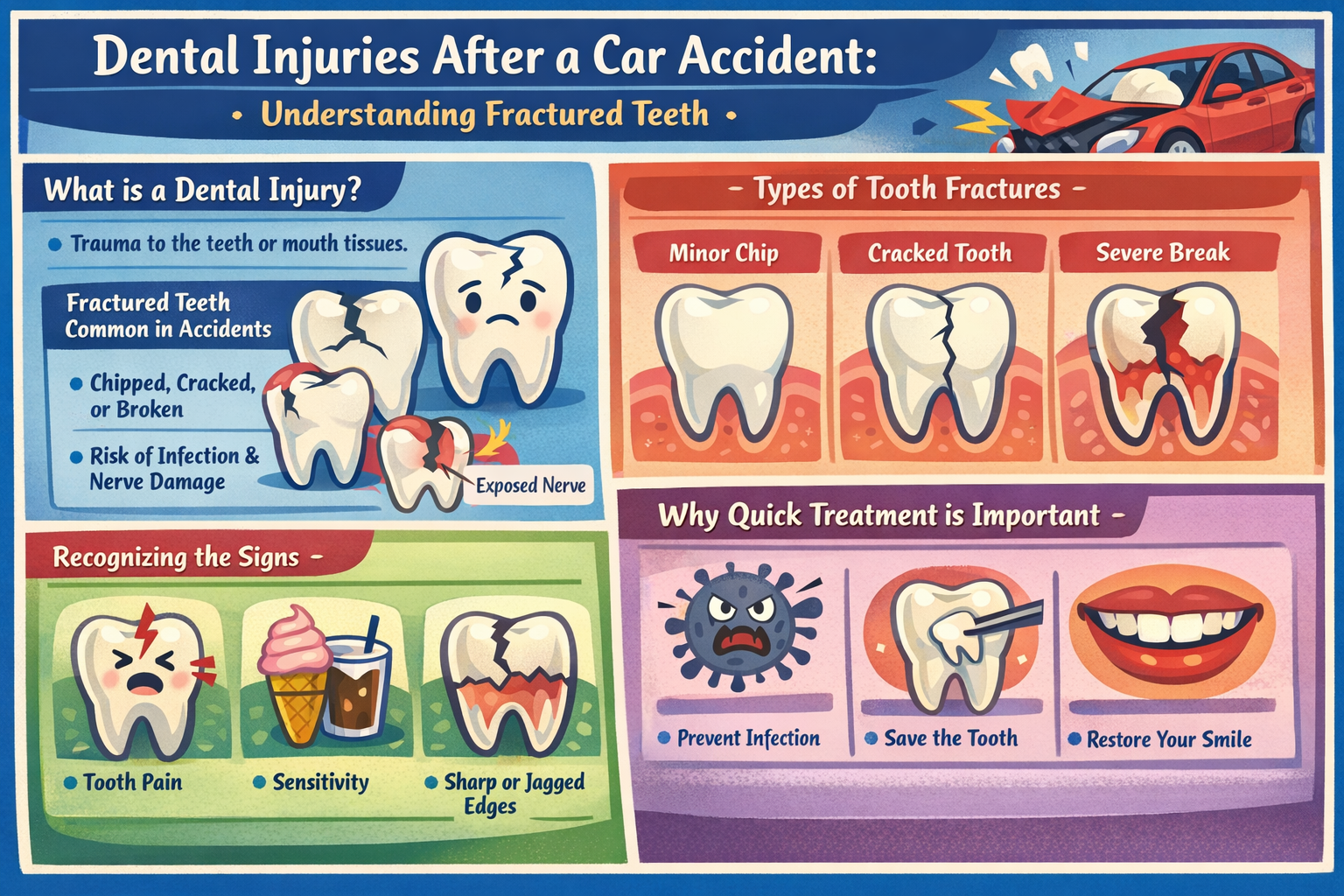
A dental injury refers to any trauma affecting the teeth or the surrounding tissues in the mouth. In car accidents, fractured teeth are one of the most common types of dental trauma. A tooth fracture can range from a minor chip on the surface to a severe break that exposes the pulp, which contains nerves and blood vessels.
Dental injuries are more than just cosmetic issues. A fractured tooth can become infected, lead to nerve damage, or even result in tooth loss if left untreated. Prompt dental evaluation is essential to restore function, prevent complications, and preserve the appearance of your smile.
How Car Accidents Cause Dental Injuries
The force generated during a car accident is often greater than the body can withstand. Even at low speeds, collisions can jolt the head and jaw, causing trauma to the teeth. There are several common scenarios in which dental injuries occur:
- A driver hitting the steering wheel during a frontal collision
- A passenger’s face striking the dashboard, seat, or window
- Airbag deployment causing a sudden forceful impact on the teeth
- Pedestrians or cyclists thrown onto the pavement or against objects
Even when wearing a seatbelt or using airbags, the mouth can still be vulnerable. Teeth can chip, crack, or break, and in severe cases, may even be completely knocked out. Recognizing the risk and acting promptly is key to preserving oral health after a car accident.
Types of Fractured Teeth
Dental fractures vary in severity, and understanding the type of fracture helps determine the best course of treatment.
Enamel Fractures
This is the most minor type of fracture and involves only the outer layer of the tooth. Enamel fractures may appear as small chips and usually do not cause pain. Treatment often involves smoothing the tooth or applying dental bonding to restore appearance.
Enamel-Dentin Fractures
These fractures extend into the dentin, the layer beneath the enamel. Patients may experience sensitivity to hot, cold, or sweet foods. Treatment may involve dental fillings, bonding, or crowns to protect the tooth and restore function.
Pulp Exposure
When the fracture reaches the pulp, it exposes the nerves and blood vessels inside the tooth. This is a serious injury that can cause severe pain and increases the risk of infection. Root canal therapy is often required, followed by a crown to restore the tooth’s strength and function.
Root Fractures
Root fractures occur below the gum line, often involving the main structure of the tooth. These fractures may require splinting to stabilize the tooth, endodontic therapy, or in severe cases, extraction.
Avulsed Teeth
A tooth that is completely knocked out of the mouth is known as an avulsed tooth. Immediate care is critical. The tooth should be handled gently, rinsed with milk or saline, and transported to a dentist as soon as possible. With prompt action, some avulsed teeth can be successfully re-implanted.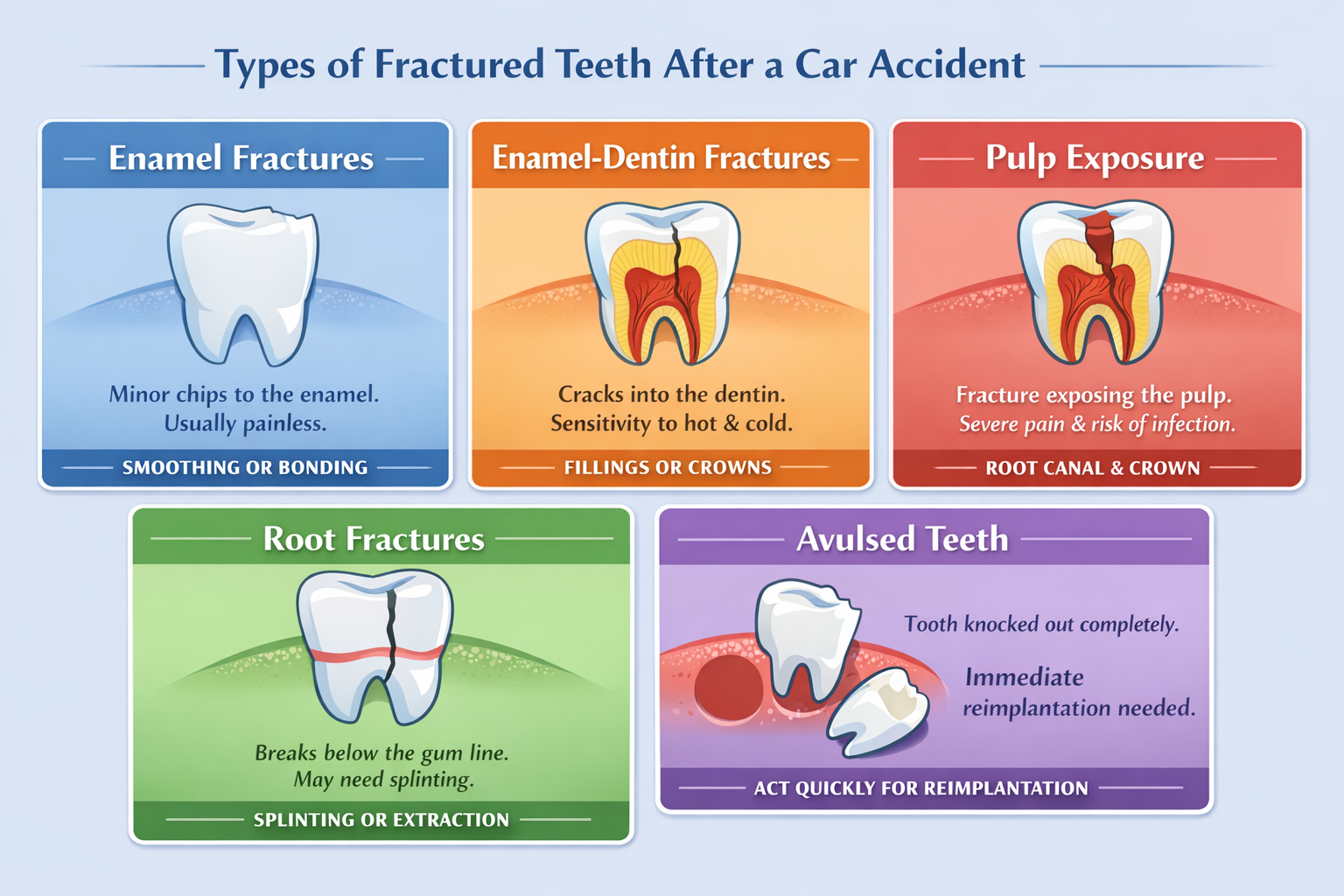
Symptoms of a Dental Injury
Fractured teeth can be obvious, but sometimes symptoms are subtle. Common warning signs include:
- Pain or sensitivity, especially when biting or exposed to hot or cold foods
- Visible chips or cracks in the teeth
- Bleeding from the gums or inside the mouth
- Swelling around the teeth or jaw
- Loose or mobile teeth
- Difficulty chewing or speaking clearly
Even if a dental injury seems minor, it is important to seek evaluation. Untreated fractures can worsen over time and lead to infection, nerve damage, or permanent tooth loss.
How Dentists Diagnose Dental Injuries
Evaluation of dental trauma after a car accident involves a combination of physical examination and imaging studies.
Physical Examination
Dentists check the teeth, gums, jaw, and surrounding soft tissues for signs of damage. They assess nerve function and the stability of teeth to determine the severity of the injury.
Imaging Studies
X-rays provide important information about the extent of the fracture, especially if it involves the root or pulp. In more complex cases, CT scans may be used to evaluate the surrounding jawbone and oral structures. Early and accurate diagnosis ensures proper treatment and reduces the risk of complications.
Treatment Options for Fractured Teeth
Treatment depends on the type of fracture and how much of the tooth is affected.
Minor Chips
Small enamel chips can often be repaired with smoothing or dental bonding, restoring the tooth’s appearance and function.
Moderate Fractures
Fractures that extend into the dentin may require fillings or crowns to prevent further damage and restore the tooth’s strength.
Severe Fractures with Pulp Exposure
Root canal therapy is usually necessary to remove damaged tissue and prevent infection. A crown is then placed to restore the tooth’s structural integrity.
Root Fractures
Stabilization of the tooth may involve splinting it to adjacent teeth and monitoring healing over several weeks. In some cases, additional endodontic treatment may be necessary, or extraction may be required if the fracture cannot be saved.
Avulsed Teeth
Immediate action is crucial for teeth that have been completely knocked out. The tooth should be kept moist and transported to a dentist quickly. Prompt re-implantation significantly improves the chances of saving the tooth.
Pain management, antibiotics, and anti-inflammatory medications may be prescribed to aid recovery and reduce discomfort.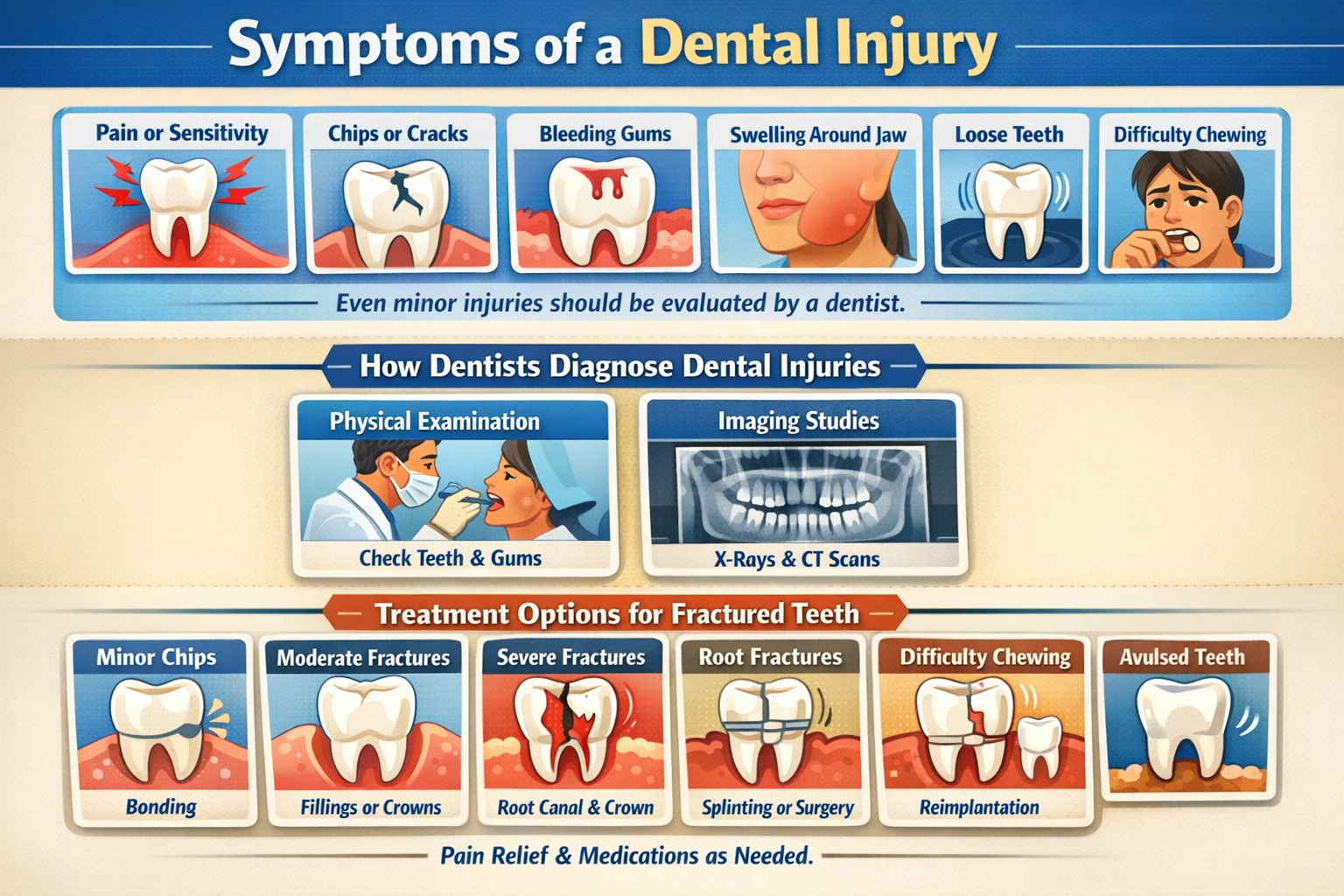
Recovery and Rehabilitation
Recovery from a dental fracture varies depending on the severity and treatment provided.
Healing Process
Minor enamel chips may heal quickly with minimal intervention. Teeth that undergo root canal therapy, crowns, or splinting may require several weeks of follow-up care to ensure proper healing.
Dietary Considerations
Soft or liquid diets are often recommended during recovery to reduce strain on injured teeth. Avoiding hard, sticky, or chewy foods helps protect healing structures.
Oral Hygiene
Maintaining oral hygiene is essential to prevent infection and support healing. Gentle brushing and rinsing with antiseptic mouthwash may be advised.
Follow-Up Care
Regular dental visits ensure the tooth is healing properly and allow the dentist to address any lingering pain, sensitivity, or bite alignment issues.
Emotional and Psychological Impact
Dental injuries are visible and can affect self-esteem and confidence. Patients may feel self-conscious about their appearance, frustrated by dietary restrictions, or anxious about long-term dental health. Emotional support, counseling, and patient education can help patients cope with these challenges during recovery.
When to Seek Emergency Care
Immediate care is necessary if you experience severe pain, swelling, bleeding, a tooth that is broken down to the pulp or root, a tooth that has been completely knocked out, difficulty chewing or speaking, or signs of infection. Prompt evaluation not only relieves pain but also increases the chances of saving the tooth and preventing long-term complications.
Preventing Dental Injuries in Car Accidents
While accidents cannot always be prevented, certain safety measures reduce the risk of dental trauma. Always wearing a seatbelt, adjusting airbags and headrests properly, avoiding distracted or impaired driving, and using protective mouthguards during sports or high-risk activities can significantly reduce the severity of dental injuries. These precautions may not prevent all injuries, but they can make a meaningful difference in outcomes.
Long-Term Oral Care and Maintenance
After a dental injury, maintaining long-term oral health is essential. Patients may need restorative dental work such as crowns, veneers, or orthodontic adjustments. Regular dental checkups, professional cleanings, and consistent oral hygiene habits support the long-term health of injured teeth.
Patients are also encouraged to monitor for signs of infection, sensitivity, or changes in bite alignment. Early intervention for any complications helps preserve both function and appearance.
Living After a Dental Injury
Recovery from a fractured tooth is not just about repairing the physical damage. It involves restoring confidence, comfort, and normal oral function. Most patients return to everyday activities such as eating, speaking, and smiling with proper care. Adhering to dental recommendations, attending follow-up appointments, and practicing good oral hygiene ensures a successful recovery.
The experience can be challenging, but with the right care and patience, patients regain their oral health and move forward with reassurance and peace of mind.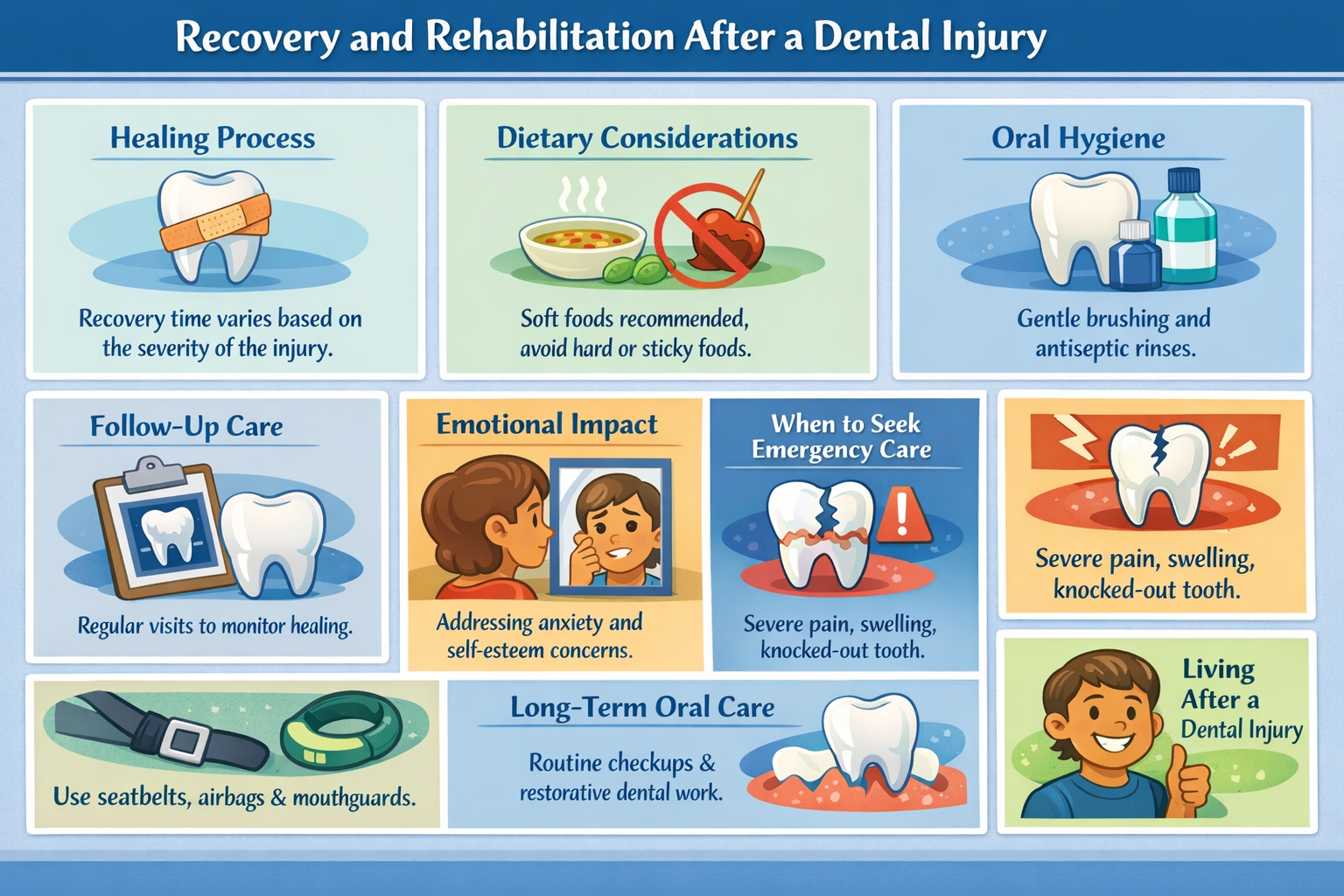
A Compassionate Perspective
Dental injuries after a car accident are more than broken teeth. They are painful, disruptive, and emotionally taxing. Timely medical evaluation and treatment are critical for preserving oral function and appearance.
If you experience a fractured tooth after a car accident, do not delay seeking care. Early intervention, consistent follow-up, and careful attention to oral health make a meaningful difference in recovery. With proper care, rehabilitation, and support, patients can restore their smile, confidence, and oral health while returning to daily life with comfort and reassurance.