

Concussion Headache Treatment Starts With the Right Plan
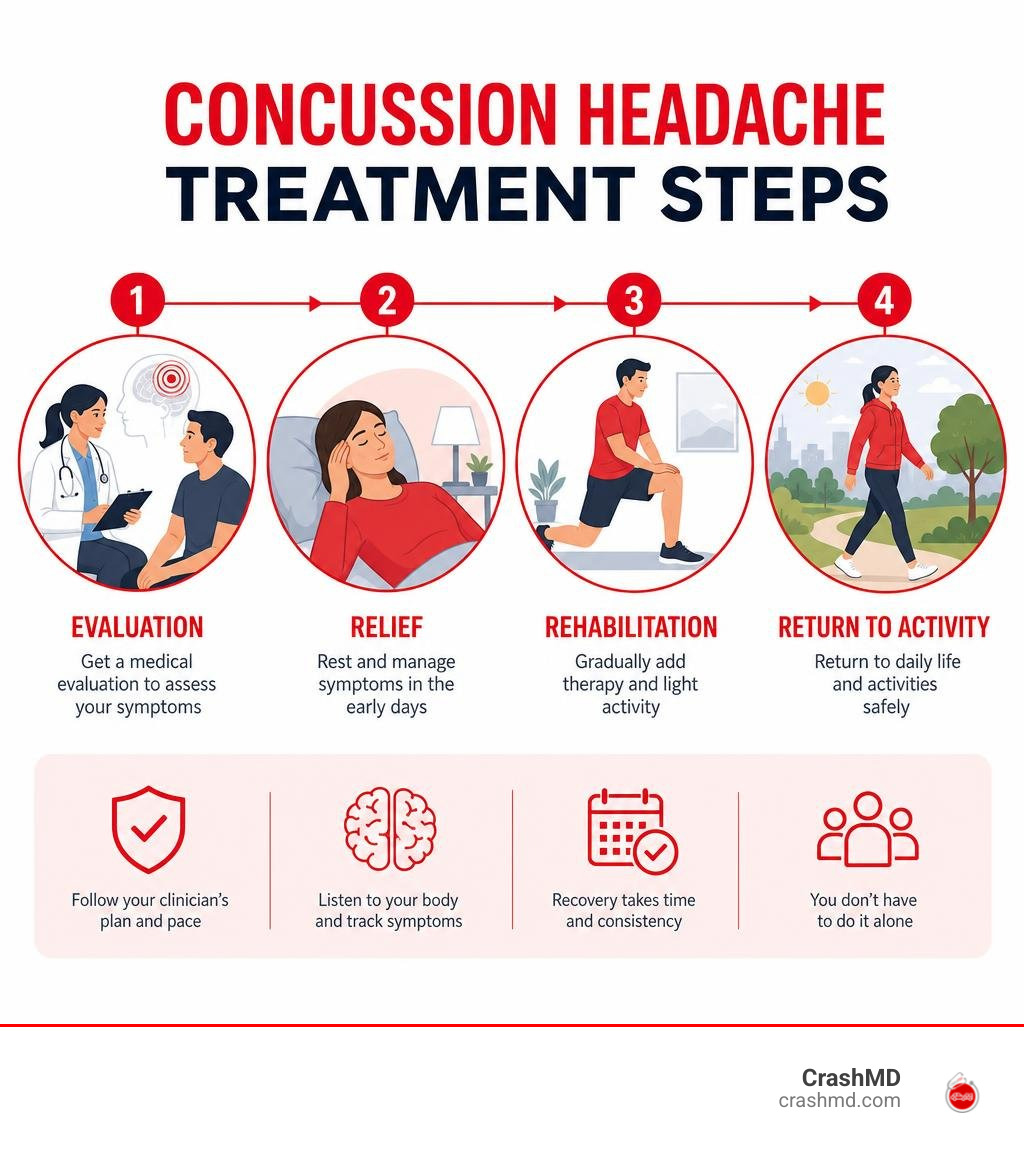
The best concussion headache treatment depends on the type of headache and how long it lasts. Start with a medical evaluation after any head injury, use relative rest for the first few days, and gradually add light activity that does not significantly worsen symptoms. Acetaminophen may be appropriate early on; avoid aspirin or anti-inflammatory medicines until a clinician has ruled out bleeding risk. For headaches that continue, targeted care may include physical therapy, migraine treatment, sleep support, and counseling.
After a car crash, a headache can be more than ordinary pain. It may be a post-traumatic headache caused by concussion, neck strain, vision or balance problems, or a combination of these issues. Most improve over time, but persistent, worsening, or disabling headaches deserve prompt care.
I’m Dr. Adam Savage, and this guide will help you understand your symptoms, avoid common treatment mistakes, and build a safer path back to daily life.
Similar topics to concussion headache treatment:
Understanding Post-Traumatic Headache Subtypes and Clinical Diagnosis
Post-traumatic headaches (PTH) comprise up to 4% of all headache disorders, yet following a mild traumatic brain injury (mTBI) or concussion, up to 95% of patients experience acute head pain. According to the International Classification of Headache Disorders (ICHD-3), a post-traumatic headache is defined as a secondary headache occurring within 7 days of head trauma or regaining consciousness. In moderate-to-severe injuries, data shows a 71% cumulative incidence of PTH, with a 44% prevalence lingering at one year.
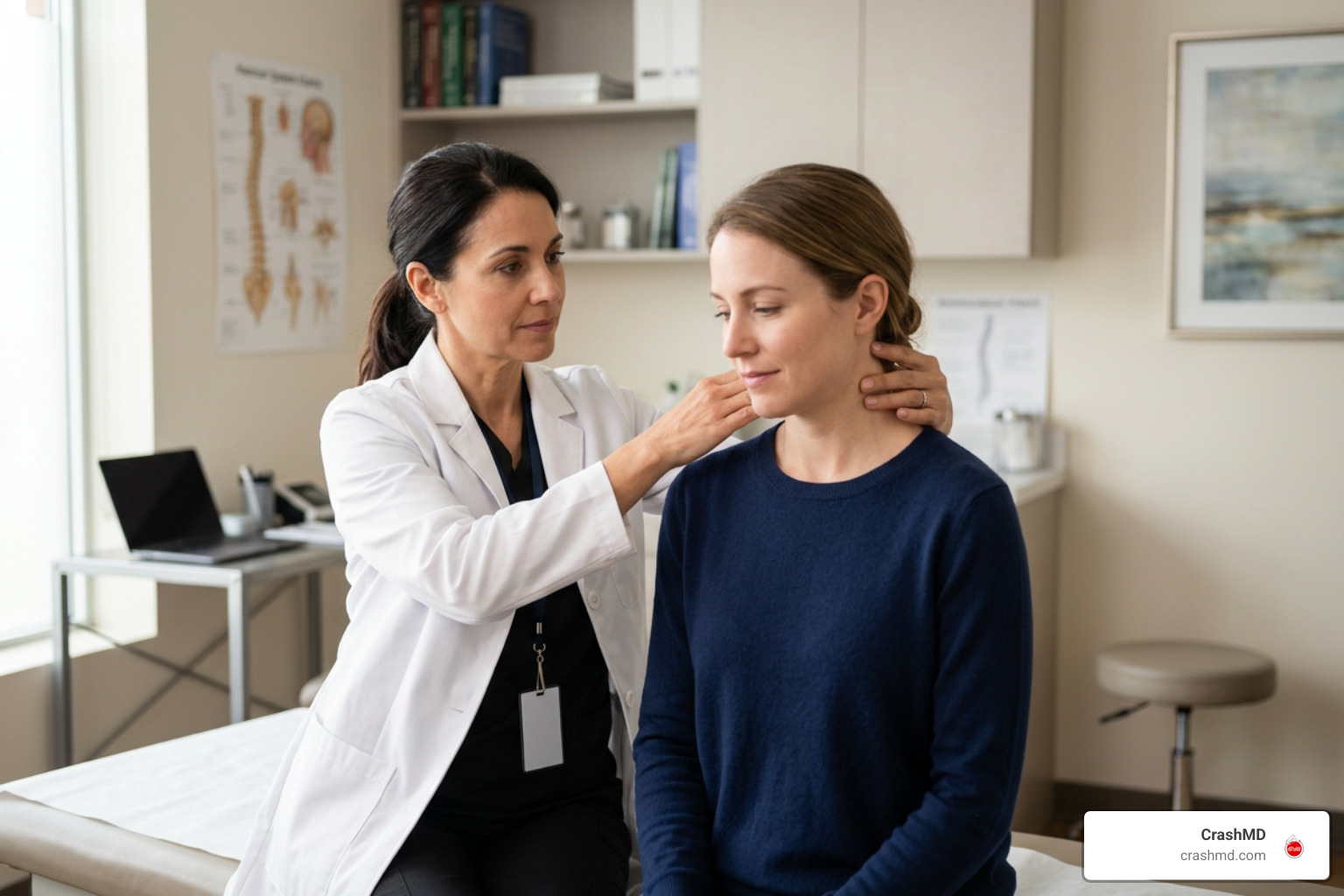
Because concussion mechanics involve rapid acceleration-deceleration forces, head trauma rarely occurs in isolation. It frequently injures cervical muscles, the vestibular system, and cranial nerve pathways simultaneously. Understanding why you need a head injury specialist after a crash comes down to getting a precise diagnosis rather than assuming all head pain is identical.
Identifying Headache Phenotypes: Migraine, Tension-Type, and Cervicogenic Pain
Effective recovery begins by pinpointing the specific clinical phenotype causing your distress. Concussion headaches generally fall into distinct categories:
- Migraine Phenotype: Roughly two-thirds of post-concussion headaches mirror primary migraines. Patients experience unilateral or bilateral throbbing, moderate-to-severe pain, nausea, vomiting, photophobia (light sensitivity), and phonophobia (sound sensitivity). Approximately 25% experience visual or sensory auras.
- Tension-Type Pain: Presents as a dull, steady, band-like ache pressing across the forehead, temples, or back of the head. It typically lacks the throbbing quality of migraines and is not aggravated by routine physical movement.
- Cervicogenic Headache: Stemming from damaged cervical spine facet joints, ligaments, or upper neck musculature during whiplash, this pain radiates upward from the base of the skull toward the temples or eyes. For more details on musculoskeletal trauma, see our guide on the aches and pains after your accident what to know about headaches and more.
- Occipital Neuralgia & Neuritic Pain: Results from irritation or entrapment of the greater or lesser occipital nerves, producing sharp, shooting, jabbing, or burning sensations from the neck into the scalp.
- Temporomandibular Joint (TMJ) Pain: Direct impact or clenching during trauma can trigger pain localized around the jaw, chewing muscles, and ears.
Diagnostic Criteria and Medical Evaluations Following Head Injury
Diagnosing PTH requires a detailed clinical history, physical assessment, and screening with validated tools such as the Post-Concussion Symptom Scale (PCSS) or Rivermead Post-Concussion Symptoms Questionnaire.
Emergency evaluations often utilize CT scans to exclude intracranial hemorrhage or skull fractures. Once acute emergencies are ruled out, clinical guidelines like the TRAUMATIC BRAIN INJURY GUIDELINES emphasize evaluating cervical range of motion, cranial nerves, vestibulo-ocular reflexes, and cognitive processing.
| Headache Subtype | Dominant Sensation | Primary Location | Common Triggers |
|---|---|---|---|
| Post-Traumatic Migraine | Throbbing, pulsating, moderate to severe | Unilateral or bilateral, frontotemporal | Bright lights, loud noise, exertion, stress |
| Tension-Type | Constant dull ache, squeezing band | Forehead, temples, occiput | Fatigue, mental strain, posture |
| Cervicogenic | Deep ache, referred stiffness | Neck base radiating to temples/eyes | Neck rotation, prolonged sitting |
| Occipital Neuralgia | Sharp, electric, stabbing, shooting | Suboccipital region into scalp | Palpation of occipital nerve, head tilt |
| TMJ Dysfunction | Clicking, dull aching, tenderness | Preauricular area, jaw, temples | Chewing, jaw clenching, teeth grinding |
Evidence-Based Concussion Headache Treatment: Acute and Preventive Medical Approaches

Treating post-traumatic headaches requires a balance between rapid symptom relief and protecting the brain’s delicate neurochemical recovery. Following an injury, we tailor pharmacotherapy directly to the matching headache phenotype. Learn foundational strategies in a practical guide to post-concussion headache management.
First-Line Acute Medications and Preventing Medication Overuse Headache
During the acute phase (the first 24 to 48 hours), acetaminophen is the preferred analgesic because nonsteroidal anti-inflammatory drugs (NSAIDs) like ibuprofen, naproxen, or aspirin carry a theoretical risk of worsening occult intracranial bleeding. Once bleeding is definitively ruled out, NSAIDs become valuable options for inflammatory and tension-type pain.
For severe, disabling migraine-like attacks, triptans (such as sumatriptan or rizatriptan) serve as effective abortive options. A 2025 study demonstrated that individuals with post-traumatic migraines respond to triptans much like those with primary migraines.
However, excessive reliance on acute medications carries a severe risk: Medication Overuse Headache (MOH). Using OTC analgesics, combination pain relievers, or triptans more than 10 to 15 days per month can cause rebound headaches that mimic persistent trauma symptoms (Patterson et al., 2024). In persistent cases, roughly 70% of patients meet the criteria for MOH. As highlighted in clinical Assessment and Management of Headache Following Concussion/Mild Traumatic Brain Injury: Guidance for the Primary Care Manager, limiting acute pain medications to fewer than 10 days per month and tapering overused drugs allows 69% of patients to experience substantial symptom relief.
Prophylactic Concussion Headache Treatment for Persistent Symptoms
When headaches occur multiple days per week or disrupt daily functioning, daily preventive (prophylactic) medications reduce attack frequency and severity. We select these agents based on patient symptoms and co-occurring issues:
- Anticonvulsants (Topiramate): Topiramate reduced headache frequency by 57% in military patients with chronic migraine and by 31% in those dealing with medication overuse headaches.
- Tricyclic Antidepressants (Amitriptyline, Nortriptyline): Particularly useful when headaches coexist with insomnia, neck tension, or anxiety. Retrospective data indicates that up to 82% of patients taking amitriptyline achieve a greater than 50% reduction in headache days (Patterson et al., 2024).
- Beta-Blockers (Propranolol): Beneficial for individuals with co-occurring hyperarousal or tachycardia, though avoided in patients with asthma or baseline bradycardia.
- CGRP Monoclonal Antibodies (Erenumab): Subcutaneous erenumab (70 mg to 140 mg once monthly) significantly reduces monthly headache days after 8 weeks of therapy, with moderate-quality evidence confirming marked reductions in headache intensity by 12 weeks.
- Nutraceuticals: Daily supplementation with magnesium glycinate (400–600 mg), riboflavin/vitamin B2 (400 mg), CoQ-10, and melatonin (3–5 mg for sleep regulation) offers an excellent safety profile for long-term physiological support. Learn more about pharmaceutical options in Medications for Concussion .
Multimodal Non-Pharmacological Interventions and Specialized Therapies
Medication alone rarely addresses the full biomechanical and neurological impact of a traumatic brain injury. Combining medical treatments with targeted rehabilitation provides the highest recovery rates. Explore more mechanisms in our post-trauma headache causes treatments guide.
Sub-Symptom Aerobic Exercise, Physical Therapy, and Behavioral Support
The outdated advice to “sit in a dark room until all symptoms disappear” is no longer recommended. While relative physical and cognitive rest is crucial for the first 24 to 48 hours, prolonged inactivity actually delays recovery.
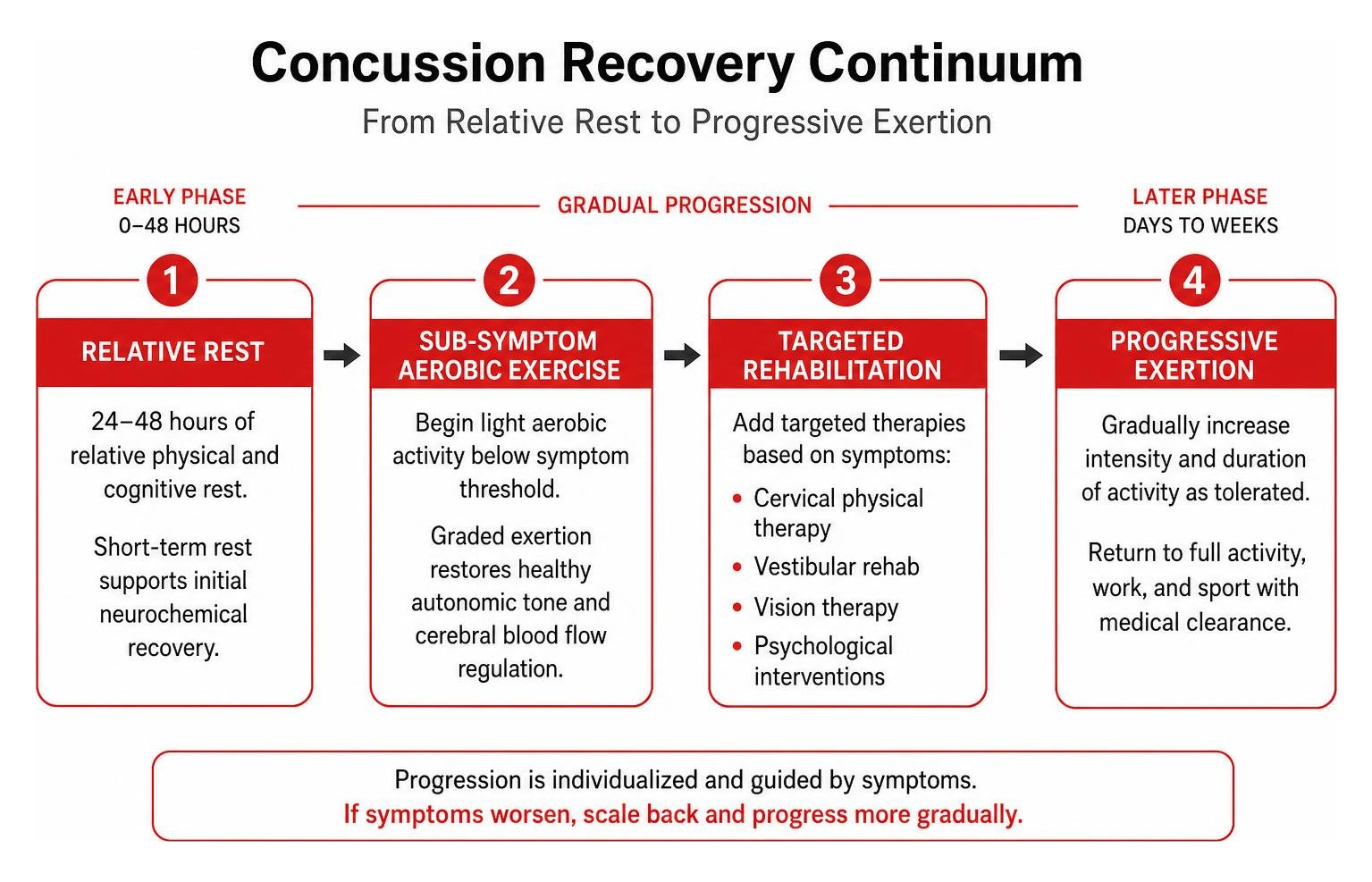
- Sub-Symptom Threshold Aerobic Exercise: Utilizing graded exertion protocols (such as the Buffalo Concussion Treadmill Test), supervised sub-symptom exercise restores healthy autonomic tone and cerebral blood flow regulation, directly improving quality of life.
- Cervical Physical Therapy: Manual therapy, deep cervical flexor strengthening, and postural correction relieve cervicogenic head pain originating from whiplash.
- Psychological Interventions: Cognitive Behavioral Therapy (CBT), mindfulness, and biofeedback help regulate central sensitization and stress-related pain triggers. Clinical research indicates that multidisciplinary care incorporating psychological interventions over 22 weeks substantially reduces post-concussion headache intensity compared to standard care alone.
Targeted Interventions: Nerve Blocks, Vestibular Rehab, and Vision Therapy
When headaches are driven by localized nerve irritation or sensory mismatches, interventional procedures provide rapid relief:
- Greater Occipital Nerve (GON) Blocks: Injecting local anesthetics (such as 2% lidocaine or bupivacaine) near the occipital nerve yields immediate pain reduction in up to 93% of patients experiencing suboccipital tenderness or occipital neuralgia (Patterson et al., 2024).
- Vestibular & Vision Rehabilitation: Sensory integration disruptions between the inner ear and eyes frequently cause motion sickness, dizziness, and secondary forehead strain. If you suffer from visual fatigue, read the ultimate guide to blurry vision and headache after car accident.
- Neuromodulation Devices: Non-invasive vagus nerve stimulators (nVNS) and transcutaneous electrical nerve stimulation (TENS) provide drug-free relief for persistent neuropathic and migraine pain patterns.
Navigating Recovery Timelines and Safe Return Protocols
Post-concussion headaches typically resolve within 10 to 14 days for adults, but persistent symptoms can last for months. Check out our post-concussive symptoms 101 recovery timeline guide to benchmark your progress.
Key risk factors consistently linked to prolonged recovery and persistent PTH include:
- Female Sex: Hormonal factors and higher baseline susceptibility to migraines contribute to longer recovery curves.
- High Acute Symptom Burden: Experiencing numerous symptoms (such as dizziness, brain fog, and nausea alongside headache) immediately post-injury.
- Prior Personal or Family History of Headaches: A pre-existing history of migraine lowers the threshold for developing post-traumatic head pain.
- Adolescent Age: Developing neural pathways in teenagers make them particularly vulnerable to persistent symptoms (Patterson et al., 2024).
Pediatric and Adolescent Concussion Headache Treatment Considerations
Headache is the most common persistent post-concussive symptom in children, affecting roughly 8% of youth for more than 3 months. According to the American Headache Society white paper on treatment of post-traumatic headache from concussion in youth , pediatric management requires extra care (Patterson et al., 2024). We prioritize phenotype-driven therapies, structured sleep schedules, hydration, and academic accommodations (such as reduced screen time and rest breaks) over aggressive, off-label polypharmacy (Patterson et al., 2024).
Stepwise Return-to-Learn, Return-to-Work, and Return-to-Play Pathways
Returning to full cognitive and physical capacity should always follow a structured, stepwise protocol. Track your milestones using our step-by-step guide to how long headaches last after concussion.
If headache symptoms flare significantly at any stage, drop back to the previously tolerated level for 24 hours before attempting progression again (Meehan, 2011).
Frequently Asked Questions About Concussion Headaches
What is the difference between acute and persistent post-traumatic headache?
Under the ICHD-3 classification, acute post-traumatic headache develops within 7 days of trauma and resolves within 3 months. If symptoms persist beyond the 3-month mark, the condition is classified as persistent post-traumatic headache (PPTH).
Can over-the-counter pain relievers make post-concussion headaches worse?
Yes. Taking over-the-counter pain medications (such as acetaminophen, ibuprofen, or combination caffeine-analgesics) more than 2 to 3 days per week can trigger medication overuse headaches, trapping patients in a cycle of daily rebound pain.
When should I see a specialist for a post-concussion headache?
You should seek immediate medical attention if you experience “red flag” symptoms: sudden severe “thunderclap” pain, progressive neurological weakness, numbness, repeated vomiting, unequal pupil sizes, slurred speech, seizures, or headaches that worsen steadily over several weeks.
Conclusion
Managing post-concussion headaches requires a structured, personalized medical roadmap. By identifying your specific headache phenotype, avoiding medication overuse, incorporating sub-symptom exercise, and using targeted therapies like occipital nerve blocks, lasting relief is entirely achievable.
At CrashMD, we specialize in post-accident medical care across Arizona, Nevada, Texas, Oklahoma, Southern California, and Northern California. We guide accident victims through recovery with personalized pain management while ensuring all physical injuries and functional impairments are thoroughly documented for your legal case.
If you or a loved one are struggling with head pain after a motor vehicle collision, schedule a comprehensive post-traumatic headache evaluation with our medical team today.
References
Meehan WP. “Medical therapies for concussion..” Clinics in sports medicine, 2011. PMCID PMC3359788. Patterson Gentile C, Rosenthal S, Blume H, Rastogi RG, McVige J, Bicknese A, Ladak A, Zaveri H, Greene K, Barlow K. “American Headache Society white paper on treatment of post-traumatic headache from concussion in youth..” Headache, 2024. PMCID PMC11694339.